


Food Product Fulfillment: How to Manage Cold Chain, Safety, and Traceability
Food brands face strict rules and tight deadlines that go far beyond typical ecommerce. Food product fulfillment requires disciplined cold chain management, sanitation, and traceability—not just pick and pack with ice packs. This article guides founders and operations leaders evaluating 3PLs for food products. We’ll explain workflows, costs, KPIs, risks, and how Atlanta’s logistics advantage helps keep your products fresher with less transit risk.
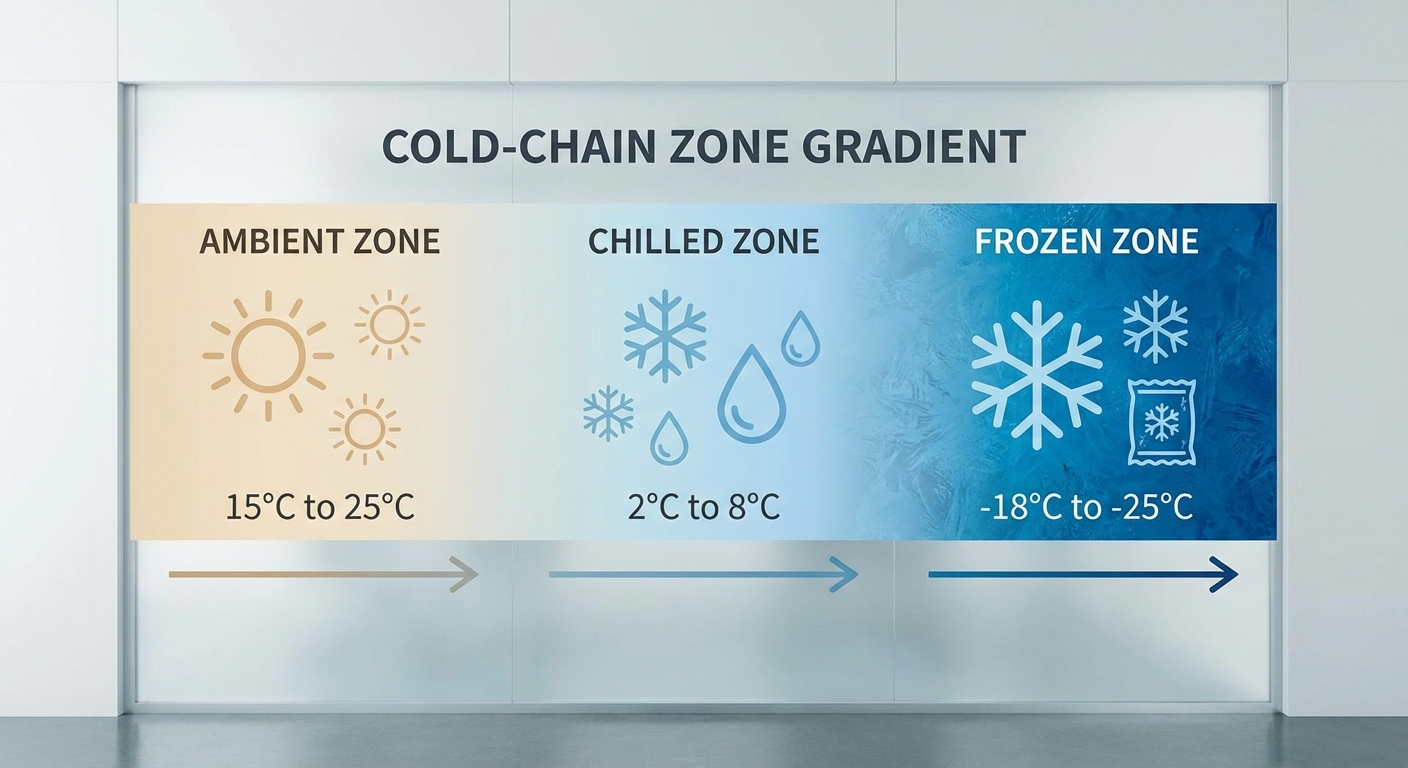
What is Food Product Fulfillment and When to Use It?
Food product fulfillment encompasses the receiving, storage, kitting, picking, packing, and shipping of perishable and shelf-stable foods under rigorous safety and temperature controls. It involves implementing Hazard Analysis and Critical Control Point (HACCP)-driven Standard Operating Procedures (SOPs), Food Safety Modernization Act (FSMA)-compliant traceability, and sanitary transportation processes that many general 3PLs are not equipped to provide.
Defining Food Product Fulfillment
At its core, food product fulfillment entails handling, kitting, storage, and shipping of perishable and non-perishable food items. Unlike general fulfillment processes, food requires meticulous control of temperature, sanitation, and traceability to comply with regulatory and retail standards. From refrigerated dairy to frozen meats, to shelf-stable baking mixes, each SKU demands tailored handling.
When Specialized Food Fulfillment Is Necessary
You must partner with a food-specialized 3PL when your operation requires:
• Controlled cold chain management, including refrigerated, frozen, or mixed temperature environments (ambient plus chilled shipments).
• Adherence to HACCP (https://www.fda.gov/food/hazard-analysis-critical-control-point-haccp/haccp-principles-application-guidelines) or preventive control programs with defined critical control points (CCPs).
• Complete batch and lot traceability aligned with FSMA rules (https://www.fda.gov/food/food-safety-modernization-act-fsma/fsma-final-rule-requirements-additional-traceability-records-certain-foods).
• UCC/GS1-compliant labeling, and electronic data interchange (EDI 940/945) for shipments into retail or wholesale partners.
• Management of subscription meal kits or direct-to-consumer (DTC) food boxes with strict cutoffs and weekend delivery windows.
The risks in neglecting proper food fulfillment are considerable: temperature excursions and cross-contamination can spoil expensive inventory and erode customer trust. Incomplete traceability exposes your brand to costly recalls and regulatory scrutiny. Complex SKU portfolios including allergens, dietary variants, and diverse pack sizes can overwhelm standard warehouse logic.
Why Choose a Food-Experienced 3PL?
A partner with true food product fulfillment expertise mitigates risk by enforcing near-zero error rates, guaranteeing 100% temperature compliance throughout storage and shipping, and providing thorough documentation. All Points leverages decades of operator-grade experience to protect brand reputation while ensuring your products arrive fresh, safe, and fully traceable.

Step-by-Step Food Fulfillment Workflow
Food product fulfillment is a multi-phase process tailored for maximum safety and freshness. Below is a detailed breakdown of each key step:
Receiving
Efficient and thorough receiving is critical, especially for perishables:
• Schedule vendor appointments to control dock traffic and prevent repeated opening of trailers.
• Inspect incoming trailers for cleanliness, absence of pests or odors, and proper refrigeration or frozen temperatures using calibrated infrared or probe thermometers.
• Document all temperature readings and quarantine or reject shipments that fall outside approved temperature ranges or show signs of contamination.
• Verify sanitary transport certificates and HACCP/preventive control documentation accompanying loads (as per FDA guidelines: https://www.fda.gov/food/food-safety-modernization-act-fsma/fsma-rules-guidance-industry).
• Count cases and pallets, validate lot and batch number, manufacture date, and expiration. Apply or verify GS1-128 Serial Shipping Container Codes (SSCC) labels if missing.
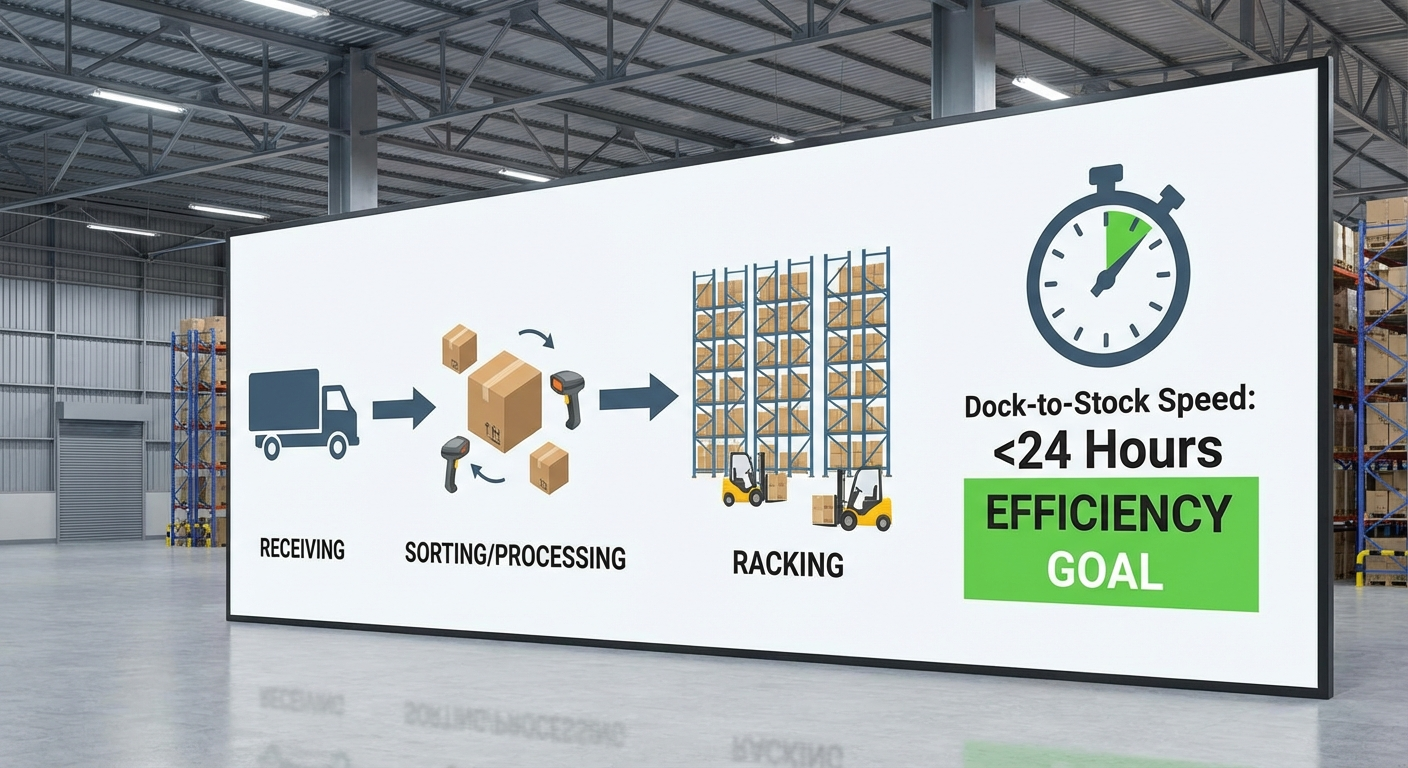
• Target dock-to-stock time of less than four hours for perishables to minimize temperature breaks and dock congestion.
Storage
Once received, foods are stored under strict temperature control and segregation protocols:
• Allocate separate warehousing zones for ambient, refrigerated, and frozen products. Never co-locate food with non-food items or chemicals.
• Use Warehouse Management System (WMS) to enforce FEFO (First Expired, First Out) rotation for perishable stock. Prioritize picking from short-dated inventory.
• Continuously monitor temperature via calibrated sensors with audit trails and automated alerting for excursions (best practices: https://interstatecoldstorage.com/best-practices-managing-food-cold-chain-logistics/).
• Maintain allergen control via dedicated storage slots, color-coded utensils, and distinct picking tools.
• Establish dedicated quarantine areas for holds or quality investigations.
Kitting and Assembly
Specialized kitting ensures food contents remain safe and accurately presented:
• Follow detailed SOPs for each kit or Bill of Materials (BOM), staging components by temperature zone to minimize ambient exposure.
• Condition gel packs and phase change materials (PCMs) in advance to avoid temperature spikes; balance cooling media to protect delicate produce without overexposure to moisture.
• For meal kits and subscription boxes, serialize inserts, include nutrition facts, lot and expiry information, and seal kits with tamper-evident tape for customer assurance.
• Perform critical control point (CCP) checks, such as temperature verification before sealing insulated packages.
• Execute line clearance and sanitation protocols between SKUs to prevent cross-contamination.
Picking and Packing
Accuracy and speed are paramount in fulfilling busy orders:
• Batch pick orders by temperature zones to reduce door swings and optimize labor efficiency; plan picking waves around carrier schedules and cutoff times.
• Design pick paths to avoid crossing temperature zones unnecessarily; implement color-coding and tote discipline for easier zone verification.
• Scan SKUs, lots, and expiration dates during packing to prevent errors. Stop order processing automatically if discrepancies occur.
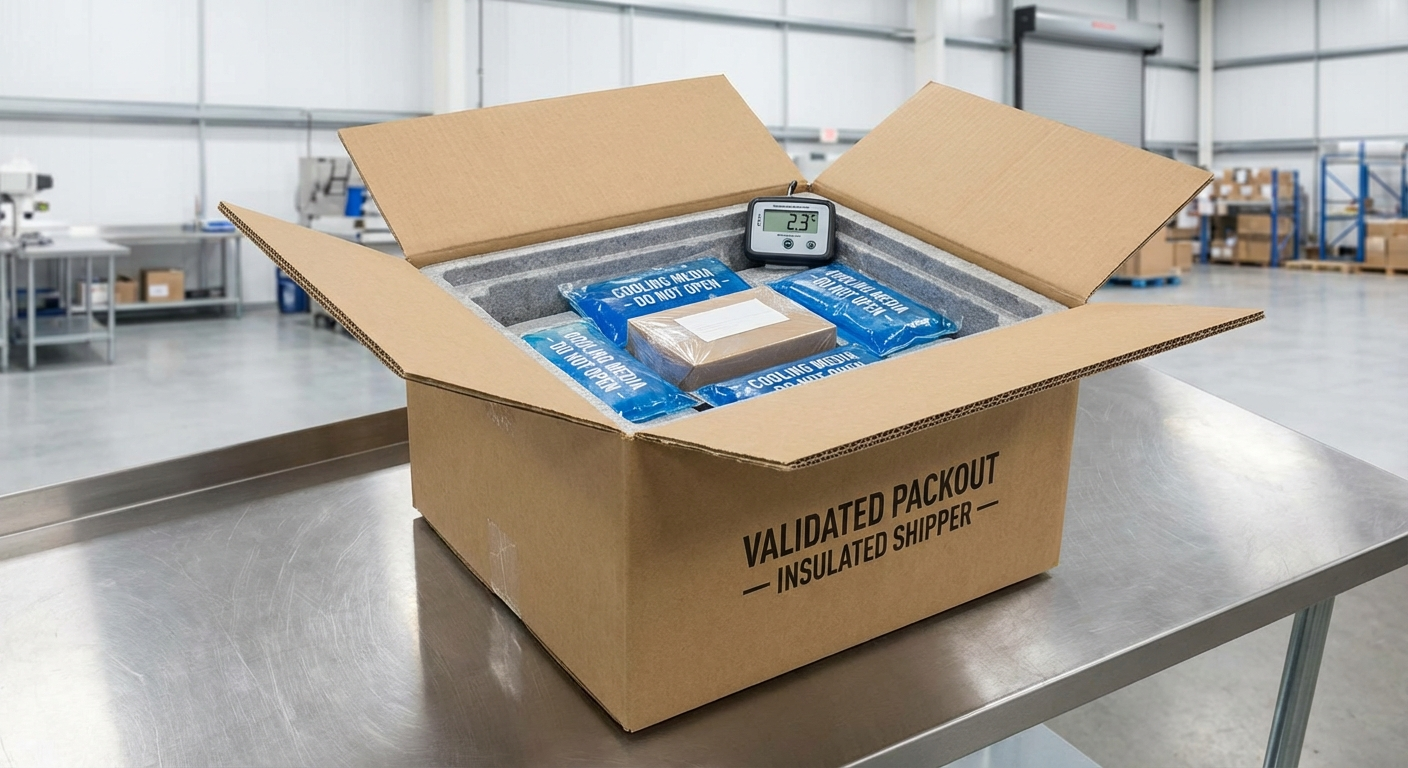
• Use validated insulated packaging, gel packs, dry ice (labeled and weighed per FDA regulations), and tamper-evident seals customized for destination, season, and service level.
• Apply “Perishable” and correct orientation labels on packages to aid in transportation safety.
Shipping
Shipping protocols protect product integrity from warehouse to consumer doorstep:
• Match shipping services and carriers to temperature requirements (ground 2-day, next-day air, specialized regional cold chain).
• Enforce shipping blackout rules to avoid weekend dead zones for perishables unless Saturday delivery is available.
• Schedule late pickups aligned with packout cadence to reduce terminal dwell times.
• Offer real-time tracking and, when necessary, temperature logger deployment on sensitive lanes for validation or regulatory compliance.
Documentation and Systems
Full traceability and compliance demand robust record-keeping and data management:
• Track lot and batch data from receipt through picking and shipping, capturing critical tracking events per FSMA requirements.
• Maintain clean and accurate EDI 940/945 transmissions synchronized with inventory and lot data.
• Archive calibration, sanitation, and temperature logs for audits.
• Regularly conduct mock recall drills to validate the ability to trace shipments within a 2-hour window upstream and downstream.
Food Fulfillment KPIs and SLAs
Effective food fulfillment is measurable. Below are common KPIs food brands should expect and track with their 3PL partner:
KPI: Pick Accuracy | Typical Target: ≥ 99.5% | Why It Matters: Avoids contamination and allergen mix-ups
KPI: Order Cycle Time | Typical Target: 24–48 hours (perishables) | Why It Matters: Ensures freshness and timely delivery
KPI: Dock-to-Stock Time | Typical Target: < 4 hours (cold/frozen); < 24 hours (ambient) | Why It Matters: Maintains stock rotation and space availability
KPI: On-Time Shipment | Typical Target: ≥ 98% | Why It Matters: Enhances customer satisfaction
KPI: Temperature Compliance | Typical Target: 100% during storage, packing, and transit | Why It Matters: Prevents spoilage; meets FDA standards
These results depend on discipline in FEFO inventory rotation, pick accuracy, and precise wave planning. Continuous temperature alert systems prevent silent spoilage and maintain compliance (FDA FSMA FAQs: https://www.fda.gov/food/food-safety-modernization-act-fsma/frequently-asked-questions-fsma-food-traceability-rule).
Pricing Drivers for Food Fulfillment
Food product fulfillment costs are influenced by complexity beyond that of general fulfillment:
• Cold Storage Footprint: Refrigerated and frozen storage spaces carry higher costs than ambient. Temperature-specific infrastructure demands increase energy consumption and slotting expenses.
• Monitoring & Compliance: Sensors, system calibrations, HACCP documentation, and audits increase labor and tech overhead.
• Kitting Complexity: Multi-component meal kits, allergen handling, portion control packaging, and SKU changes mid-cycle require additional labor and materials.
• Packaging Requirements: Insulated shippers, gel packs, dry ice (with special labels and weight capture), and tamper-evident seals add dimensional weight and complexity.
• Carrier & Shipping: Expedited, regional cold chain carriers cost more but preserve freshness where longer transit is impossible.
• Volume Fluctuations: Subscription spikes and seasonal surges demand extra labor and staging capacity, sometimes driving overtime.
• Traceability & Reporting: Scanning at critical picking/packing junctures, EDI transaction management, and mock recall drills add process steps and cost.
• Returns & Disposal: Food returns are rarely restocked; destruction logistics and documentation add fees.
The cheapest per-order price often equates to higher spoilage and customer dissatisfaction. Aim to minimize total landed cost by balancing fulfillment spend and product freshness.

Risks and How to Mitigate Them
Cold Chain Breaks
Breaks in temperature control cause spoilage, regulatory issues, and brand damage. Mitigation involves:
• Consistent temperature zoning and door discipline.
• Strict wave planning and timing to minimize warm exposure.
• Validated packout recipes incorporating appropriate refrigerants.
• Continuous temperature monitoring with alarms and quick investigation of excursions.
Cross-Contamination and Allergens
Impurities can trigger recalls and harm consumers. Prevent through:
• Dedicated allergen storage and packing lines.
• Color-coded tools and picking totes.
• Regular sanitation between lots and QC inspections.
• Precise allergen labeling and messaging.
Traceability Gaps
Incomplete batch tracking jeopardizes recalls and compliance. Avoid by:
• Mandatory lot capture at receipt, picking, and packing.
• Enforcing FEFO rules in the WMS.
• Serialization of kits and shipment labels.
• Clean EDI 940/945 transmissions and audit-ready records.
Shipping Delays
Delays increase spoilage risk. Mitigate via:
• Leveraging Atlanta’s location for 2-day ground reach to ~80% of the U.S.
• Blackout enforcement for weekend deliveries.
• Partnering with regional cold chain carriers for last-mile freshness.
SKU Sprawl
High SKU counts complicate FEFO and SKU management. Address by:
• SKU rationalization and sunset programs.
• Pre-segmentation of inner packages.
• Rigorous BOM and version controls.
Labor Bottlenecks in Peak Periods
Excess workload without discipline causes errors and warm shipments. Control by:
• Batch orders by temperature zone and shipping method.
• Cross-train employees and pre-stage cold media.
• Firm cutoff enforcement.
The Atlanta Advantage for Food Product Fulfillment
Choosing All Points in Atlanta provides unique logistics benefits:
• 2-Day Transit to ~80% of U.S. Addresses: Your perishables stay fresher longer, parcel costs are minimized, and weekend shipping pitfalls are avoided.
• Carrier Density: Daily parcel pickups supplemented by integrated regional cold chain carriers embedded into our workflows ensure consistent temperature integrity.
• Faster Cycle Times: Proximity to Southeast food producers and ports reduces inbound dwell time and accelerates dock-to-stock operations.
• Operator-Grade Compliance: Family-owned and operated since 1995 with strict HACCP/preventive control SOPs, comprehensive sanitation logs, and audit readiness.
• Integrated Kitting and Printing: Custom food kitting and precise, compliant packaging printing under one roof reduce handoffs and errors (service: https://www.allpointsatl.com/services/kitting-assembly).
• Dedicated Team Expertise: Staff trained specifically for food SKUs understand nuances and risks, providing transparent operational reporting and partnership mindset.
What You Get with All Points
Partnering with All Points ensures end-to-end food fulfillment confidence:
• Integrated Cold Chain Warehousing and Distribution: Temperature-controlled storage abiding by FEFO, lot tracking, and validated packouts (service: https://www.allpointsatl.com/services/warehousing-distribution).
• Custom Food Kitting and Assembly: Tailored meal kits, subscription boxes, and retail packs with allergen controls and quality assurance checkpoints (service: https://www.allpointsatl.com/services/kitting-assembly).
• Ecommerce Fulfillment for Direct-to-Consumer Food Brands: Optimized cutoff management, wave planning, and weekend logic tailored specifically for perishables (service: https://www.allpointsatl.com/services/e-commerce-order-fulfillment).
• On-Demand Labeling and Printing: Nutrition panels, lot and expiry labels, and legally compliant packaging materials printed and verified at packout (service: https://www.allpointsatl.com/services/printing-marketing-materials).
• Robust Systems and Documentation: Advanced lot-level traceability, FEFO inventory control, EDI 940/945 integration, and mock recall drill support provide ultimate audit readiness.
How We Execute Day-to-Day
At All Points, operational discipline ensures fulfillment excellence everyday:
• Orders are batched strictly by temperature zone and carrier to maintain throughput and cold chain integrity.
• Gel packs and phase change materials are pre-chilled and staged to avoid last-minute packing rushes that risk warming product.
• Cutoffs are enforced—you won’t see rushed orders shipped with compromised quality; late orders shift to the next viable service date or hold.
• We rigorously track pick accuracy, on-time shipments, temperature compliance, and dock-to-stock time, sharing metrics openly with customers.
Frequently Asked Questions
What are typical SLA targets for cold chain fulfillment?
• Pick accuracy ≥ 99.5%
• Order cycle time 24–48 hours for perishables, respecting do-not-ship windows
• Dock-to-stock time under 4 hours for cold/frozen goods, under 24 hours for ambient
• On-time shipment ≥ 98%
• Temperature compliance 100% during storage and packout, with full documentation
How does All Points ensure food safety during kitting and packing?
• HACCP and preventive control SOPs with defined CCPs
• Allergen segregation and sanitation between lots
• FEFO inventory with lot and expiry scanning at pick and pack
• Validated packout recipes supported by in-process temperature checks
• Tamper-evident seals and FDA-compliant labeling
What pricing factors affect food product fulfillment costs?
• Refrigerated and frozen storage rates
• Insulated packaging, gel packs, dry ice handling
• Monitoring and compliance overhead
• Kitting complexity and SKU mix
• Volume spikes and seasonal fluctuations
• Expedited shipping costs and dimensional weight pricing
How fast can you ship perishables from Atlanta?
• 2-day ground transit to ~80% of U.S. addresses
• Next-day air and Saturday delivery available for special needs
• Regional cold chain carrier options for sensitive or high-value SKUs
What traceability systems do you support?
• Lot and batch capture at receipt and picking
• FEFO rules in WMS
• GS1-128/SSCC labeling
• EDI 940/945 transaction support and Advance Shipping Notices (ASNs)
• Audit-ready documentation and mock recall readiness
Call to Action
Get a kitting quote for your food brand’s fulfillment needs at https://www.allpointsatl.com/services/kitting-assembly or talk to an Atlanta 3PL expert about your temperature-controlled logistics challenges at /contact.
Sidebar
Based in Atlanta since 1995. Call us at [phone] or email [email].
About All Points
All Points is an Atlanta-based, family-owned 3PL founded in 1995. We deliver end-to-end logistics—from custom kitting and ecommerce fulfillment to warehousing, distribution, and printing—for brands demanding precision, timeliness, and scalable solutions.
Meta Title Reminder
Ensure meta title includes "Food product fulfillment" near the front and stays under 60 characters.
Meta Description Reminder
Craft a 150–160 character meta description featuring the primary keyword, emphasizing cold chain control, traceability, and Atlanta’s 2-day reach advantage.
Disclaimer: This article provides operational and compliance guidance based on industry best practices. All Points disclaims liability for outcomes resulting from reliance on this material. Businesses should consult regulatory and logistics experts to tailor solutions specific to their needs.
References & Further Reading
Best Practices for Managing Food Cold Chain Logistics: https://interstatecoldstorage.com/best-practices-managing-food-cold-chain-logistics/
HACCP Principles & Application Guidelines: https://www.fda.gov/food/hazard-analysis-critical-control-point-haccp/haccp-principles-application-guidelines
FSMA Traceability Rule & Additional Records: https://www.fda.gov/food/food-safety-modernization-act-fsma/fsma-final-rule-requirements-additional-traceability-records-certain-foods
FSMA Rules & Guidance: https://www.fda.gov/food/food-safety-modernization-act-fsma/fsma-rules-guidance-industry
Frequently Asked Questions FSMA Food Traceability Rule: https://www.fda.gov/food/food-safety-modernization-act-fsma/frequently-asked-questions-fsma-food-traceability-rule
Conclusion
Food product fulfillment demands strict cold chain control, safety protocols, and precise traceability to protect perishables and comply with regulations. This article covers workflows, KPIs, risks, costs, and how Atlanta's logistics advantage ensures fresher, safer deliveries with expert 3PL support.

.webp)
.webp)
.webp)
.webp)


