


UPS vs FedEx for E-commerce Shipping: Pricing, SLAs, and Workflow Decisions That Actually Move the Needle
Choosing the right carrier for your e-commerce shipping impacts your cost per order, delivery speed, and overall customer experience. This guide is designed for DTC founders, operations leaders, and procurement teams comparing UPS and FedEx. We break down pricing drivers, workable SLAs, carrier workflows, and why an Atlanta location gives you a regional advantage—so you can request accurate quotes and ship efficiently at scale.

What UPS vs FedEx Means in Practice — and When to Use Each for E-commerce
UPS and FedEx dominate U.S. parcel shipping for DTC brands, running extensive and overlapping ground and air networks. Selecting the best carrier depends on your shipment profile, service level agreements (SLAs), and operational priorities. Making the right call here impacts costs, on-time delivery, and customer satisfaction.
When UPS Often Wins
- Domestic ground with midsize to heavier parcels: UPS Ground is usually competitive for average billed weights between 3 and 50 lbs and Zones 2 to 5. It works well for multi-carton orders and steady residential volume.
- Pickup consistency: UPS frequently offers reliable, predictable local pickup cutoffs—though this can vary by terminal.
- SurePost (USPS handoff) option: Cost-effective on low-weight residential packages (roughly 1–3 lbs) for non-urgent shipments.
When FedEx Often Wins
- Time-definite air services: FedEx Priority Overnight, 2Day, and International Priority excel for urgent SKUs, replenishment, and international shipments.
- Lightweight parcels and international: FedEx’s lighter packages and customs brokerage often reduce costs and transit times.
- Ground Economy (USPS handoff): A budget-friendly option for low-value, lightweight residential deliveries without tight timing needs.
Key Service Scope Differences
UPS primarily focuses on heavier domestic ground shipments and freight movement, while FedEx often pulls ahead on lighter packages, quick air delivery, and international freight. Both carriers integrate with 3PLs to leverage these strengths in composite workflows.
What NOT to Do
- Don’t chase a single headline discount—most base-rate cuts get absorbed by accessorials and dimensional weight fees. Always run detailed lane-level cost analyses.
- Don’t default to express shipping for everything. Fix forecasting, packaging, and order cutoff discipline first. Expedited services should be used sparingly.
- Don’t switch carriers mid-promotion without thorough label quality and manifest testing. Mistakes cause address corrections, missed pickups, and failed SLAs.
Sources: https://www.easyship.com/blog/ups-vs-fedex-who-does-it-better | https://www.encorefulfills.com/blog/ups-vs-fedex-which-is-better

Step-by-Step Shipping Workflow Using UPS and FedEx
Establishing a disciplined workflow ensures cost control and SLA consistency when shipping with UPS and FedEx. Here is a step-by-step standard operating procedure (SOP) compatible with most DTC operations and 3PL partnerships:
1. Order Ingestion and Validation: Pull orders from your store, ERP, or WMS on a regular schedule. Validate addresses for residential vs commercial status and standardize suite/apartment information. Remove duplicates, merge multi-line orders, and handle backorder rules to maintain data hygiene.
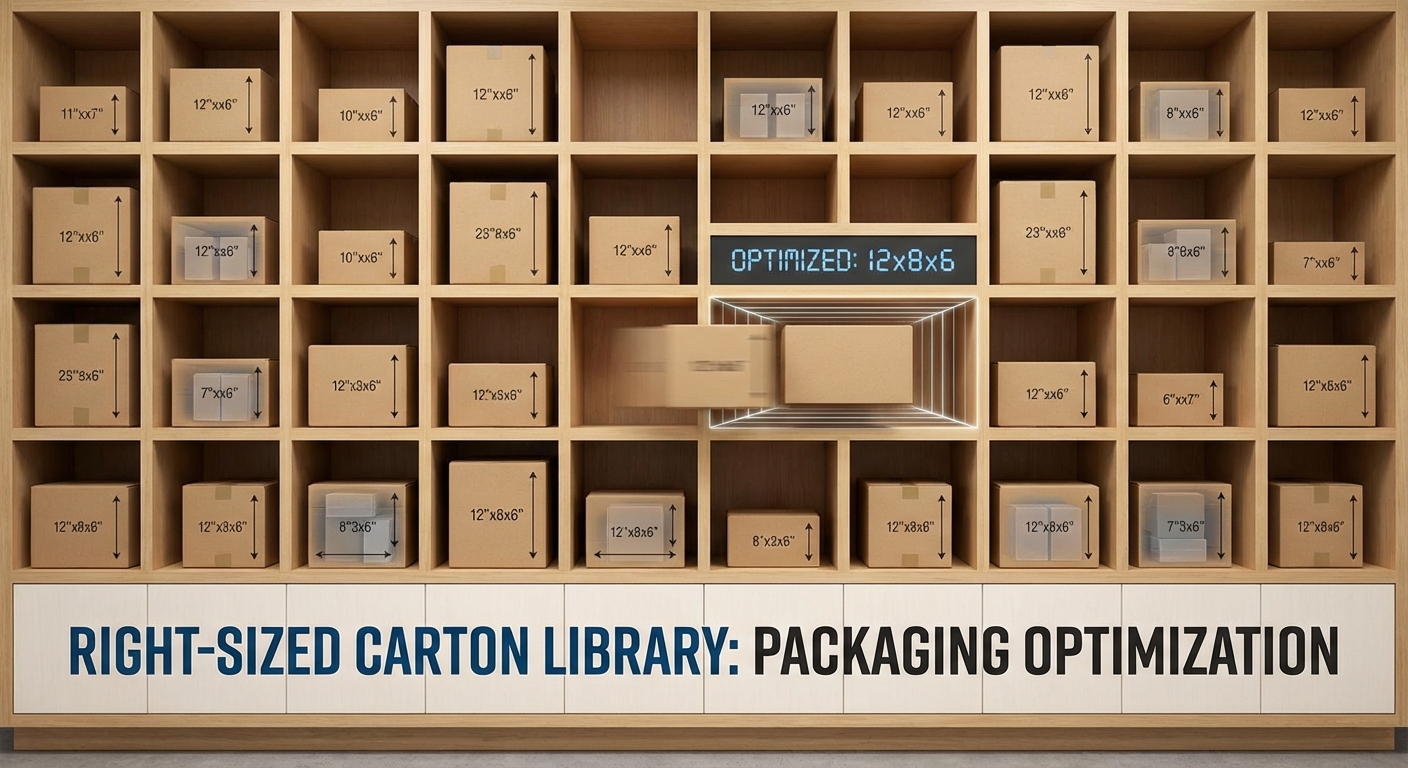
2. Cartonization and Carrier Selection Logic: Assign a box from your standardized carton library using SKU dimensions and weights. Calculate billable weight (actual vs dimensional) and compare against routing rules. Route shipments by zone, cutoff, and cost/service matrix to UPS or FedEx accordingly. Flag exceptions upfront—oversize parcels, HazMat items, signature requirements, or hot orders needing priority.
3. Batch Pick Aligned to Carrier Cutoff Times: Create pick waves segmented by carrier, service, and zone to secure on-time pickup SLAs. Optimize pick paths with multi-SKU prioritization to minimize labor and errors. Stage cartons by dock door using color-coded cages for UPS and FedEx lanes to prevent mixing.
4. Pack, QA, and Labeling: Scan and verify item SKUs, lot numbers, and serials during packing to avoid mis-shipments. Insert dunnage and marketing collateral; confirm special handling and signature requirements are met. Print and apply UPS and FedEx labels using certified APIs; ensure end-of-day closeouts are accurate. Use EDI 940/945 for shipping task and disposition updates; 856 ASNs support B2B compliance when required.
5. Manifest and Carrier Pickup: Close and manifest shipments per carrier’s documented local cutoff times. Stage shipments by route; ensure driver scans match manifest counts to avoid discrepancies. Log exceptions in your WMS, such as missed pickups or driver delays, for root cause analysis.
6. Exception Handling and Customer Communications: Automatically trigger tracking update emails upon shipment milestones. Proactively manage address corrections, delivery failures, and delays with customers. Initiate reship or refund workflows when SLAs fail or customer satisfaction scores decline.
7. Kitting and Printing Under One Roof: Pre-kit bundles, subscription boxes, and promotional kits prior to peak demand periods. Print inserts, labels, and packing slips on-site to reduce errors caused by offsite vendors. One SOP-driven packout ensures what you promise is exactly what the customer receives.
Related: https://www.allpointsatl.com/services/custom-kitting-product-assembly
SLA and KPI Metrics That Matter (and What Actually Moves Them)
Core SLA/KPI benchmarks by carrier and an operator-grade target.
SLA/KPI Table
Pick accuracy: UPS 99.5%+ | FedEx 99.5%+ | All Points Target 99.9%+
Order cycle time: UPS 24–48 hours (ground) | FedEx 12–24 hours (express) | All Points Target ≤24 hours
Dock-to-stock time: UPS 2–4 hours | FedEx 2–4 hours | All Points Target ≤3 hours
On-time ship rate: UPS 95–98% | FedEx 93–97% | All Points Target 98%+
SLA Explanation and Operational Importance
- Pick Accuracy: The percentage of orders accurately fulfilled by SKU, quantity, and lot number. A strict SOP including scanning and double checks pushes accuracy above 99.9%, reducing re-shipments and costly returns.
- Order Cycle Time: The time from order release to carrier tender. Faster cycle times reduce total transit time and improve overall customer experience.
- Dock-to-Stock Time: The time from receiving inbound goods to making them available in inventory. Clean ASNs and accurate carton labels accelerate this.
- On-Time Ship Rate: The percentage of orders shipped by the promised date. Cutoff discipline, batching consistency, and contingency planning critically influence this metric.
Accessorial surcharges are tied directly to these SLAs: missed cutoffs can push shipments into expedited services or late deliveries, both costly and damaging to brand reputation.
Sources: https://www.shipbob.com/blog/usps-vs-ups-vs-fedex/ | https://www.speedcommerce.com/insights/https-www-speedcommerce-com-insights-ups-vs-usps-vs-fedex-shipping-rates-compared/

Pricing Drivers: What Moves UPS and FedEx Costs Up or Down
Price drivers in parcel shipping are complex and multifaceted. Understanding these is crucial for accurate cost forecasting and negotiations.
- Billable Weight (Actual vs Dimensional): Carriers bill whichever is greater—actual weight or dimensional (length × width × height ÷ divisor). Oversized packaging with empty space increases cost dramatically. The solution: right-size packaging and maintain an updated carton library.
- Distance Zones and Regional Surcharges: Your shipment’s zone (distance from origin to destination) has a linear impact on cost. Inventory positioning close to your customer base, such as Atlanta, reduces average zones and lowers costs.
- Service Speed: Ground services carry a lower base rate than express air freight. Use expedited options only when genuine SLA needs exist.
- Accessorial Fees: Fuel surcharges, residential delivery fees, delivery area surcharges, additional handling, address corrections, signature requirements, Saturday pickups/deliveries, peak surcharges, and third-party billing markups all add to the final cost. Reducing these requires close attention to packaging, documentation, and address quality.
- Volume Discounts and Contract Tiers: Contracts usually grant discounts for consistent volume in specific lanes and services. Overlooking accessorial caps or volume mix in negotiation often leads to missed savings.
How We Lower Your Effective Rate Without Chasing “Cheapest”
- Engineer packouts and carton selection to minimize dimensional weight surcharges.
- Batch and wave shipments aligned to carrier cutoffs, maximizing ground service use and avoiding costly air freight.
- Route SKUs intelligently: UPS Ground for 3–20 lb parcels in Zones 2–5, FedEx 2Day for urgent replacements, and SurePost/Ground Economy selectively when SLA permits.
- Conduct frequent invoice audits to spot surcharge leakage and adjust SOPs accordingly.
Related: https://www.allpointsatl.com/services/e-commerce-order-fulfillment

Risks and How to Mitigate Them When You Ship UPS or FedEx
Common Operational Risks
- Unpredictable surcharges: Fuel, residential, and peak surcharges cause cost volatility across months.
- Cutoff Time Misses: Lead to delayed shipments, customer dissatisfaction, and possible air-freight remediation cost.
- Carrier Delays: Volume spikes during promotional peaks or adverse weather may overwhelm carriers resulting in delayed pickups.
- Packaging and Labeling Errors: Mismatched labels, incorrect dimensions, and poor addressing cause returns or damage claims.
- Poor Address Data: Results in address corrections, delivery failures, added cost, and reshipping.
- Peak Season Surge: Holiday volumes increase surcharges and can break normal operational flows.
Mitigation Strategies
- Build waves backward from confirmed carrier cutoffs to enforce on-time shipment.
- Use strict SOPs including weighing, measuring, scanning, and photographing exceptions.
- Monitor shipment status in real time to catch missed pickups early for reship triggers.
- Audit surcharges weekly and trace root causes to packaging or data flaws.
- Use pre-peak playbooks with earlier shipping windows, multiple pickup routes, and selective Saturday pickups to maintain SLAs.
- Integrate kitting and printing under one roof to reduce handoff errors and labeling confusion.
Related: https://www.allpointsatl.com/services/warehousing-distribution
Atlanta Advantage: Faster Ground, Better Cost Control
Atlanta is not just a pin on the map—it’s a strategic logistic advantage.
- 2-Day Ground Reach to ~80% of U.S. Households: Atlanta’s location enables UPS and FedEx ground to reach most of the eastern and midwestern U.S. within 2 days, reducing reliance on expensive air freight.
- Close to Major UPS and FedEx Hubs: Proximity to Centennial and FedEx’s main air hub means later pick-up cutoffs, faster exception handling, and more predictable transit times.
- Highway and Air Network Density: Interstates I-75, I-85, and I-20, combined with Hartsfield-Jackson Atlanta International Airport, provide multiple avenues for shipment routing and recovery during disruptions.
- Lower Average Shipping Zones Equal Lower Cost per Order: The geographic midpoint advantage translates directly to cost savings and SLA improvements compared to bi-coastal or multi-node strategies.
The impact: faster dock-to-stock times, reduced transit risks, and steadier unit costs for brands serving the East Coast and beyond.
What You Get with All Points
- Comprehensive services under one roof: https://www.allpointsatl.com/services/custom-kitting-product-assembly
- EDI-capable, SLA-driven e-commerce fulfillment: Batch shipments by carrier cutoff and SKU-level routing to keep parcel flow clean and on time.
- Atlanta-based warehousing and distribution: Faster dock-to-stock cycles, better ground shipping reach, and more consistent pricing power.
- Transparent, operator-grade reporting: Weekly dashboards monitor pick accuracy, order cycle time, on-time shipping, and surcharge trends to uncover improvement areas.
- Experienced carrier guidance: Serving fast-growing DTC brands since 1995, recommending only services that protect margins and customer promises.
Explore: https://www.allpointsatl.com/services/custom-kitting-product-assembly | https://www.allpointsatl.com/services/e-commerce-order-fulfillment | https://www.allpointsatl.com/services/warehousing-distribution | https://www.allpointsatl.com/services/printing-marketing-materials
How to Compare UPS vs FedEx Quotes Without Getting Burned
- Gather your last 90 days of actual shipping data—don’t guess on “typical” box sizes or weights.
- Include precise dimensions for every SKU and box. If this data is missing, pause quoting and collect it.
- Ensure quotes are lane-specific and complete with accessorial charges and minimums included. Run “what-if” packaging scenarios for best-case savings.
- Model how differences in cutoff schedules affect total transit times—cheaper base rates with earlier cutoffs can cause late delivery.
- Negotiate peak-season language upfront to avoid surprise surcharges and capacity management fees.
Source: https://www.gobolt.com/blog/usps-vs-ups-vs-fedex-comparison/
Bad Ideas We See Too Often
- Activating SurePost or Ground Economy site-wide to “save money.” These USPS handoff services are best used selectively when your SLA can tolerate slower or less predictable delivery.
- Skipping address validation to speed workflow; this leads to expensive corrections, reshipments, and customer complaints.
- Tracking refunds as a performance KPI. Carrier guarantees tend to be limited and are frequently suspended during peak seasons.
FAQ
1) What are typical UPS and FedEx shipping costs for e-commerce brands?
Costs vary widely based on box size, billed weight, zone, service, and accessorials. For most DTC brands, surcharges (fuel, residential, delivery area, handling) represent 15–40% of total spend. Detailed, manifest-level SKU and dimension data analysis is critical for accurate forecasting.
2) How do UPS and FedEx SLAs differ for ground vs express services?
Ground shipments typically have transit-time targets and are not money-back guaranteed. Express services offer time-definite delivery with money-back guarantees on certain lanes, though these may be suspended during peak seasons. Build customer promises around realistic ground transit times from your fulfillment node, saving express for exceptions.
3) What is a practical order cutoff time when shipping via UPS or FedEx?
Local station schedules vary, but typical ground pickup cutoffs range from 2 to 4 p.m. Air pickups often have earlier cutoffs. Batch your order picking backward from these times for reliable carrier compliance.
4) How does All Points optimize shipping workflows for UPS and FedEx?
We use SKU-based routing, strict address validation, right-sized packaging, cutoff-aligned batching, and weekly surcharge audits, enabling 98%+ on-time shipments and 99.9% pick accuracy.
5) What advantages does an Atlanta-based 3PL offer for national e-commerce shipping?
Atlanta’s central location allows 2-day ground delivery to approximately 80% of the U.S., reducing expedited air reliance and cost. Strong carrier presence and major highway/airport access enable more reliable pickups and smoother transit.
Sidebar
- Based in Atlanta since 1995
- Phone: [Insert phone number]
- Email: [Insert contact email]
Call to Action
Talk to an Atlanta 3PL expert to reduce parcel costs the right way—with smarter routing, packaging, and cutoff discipline, not gimmicks. If kitting is your bottleneck, get a kitting quote: https://www.allpointsatl.com/services/custom-kitting-product-assembly
SEO & Meta Details
URL slug: /ups-vs-fedex-ecommerce-shipping
Meta title: UPS vs FedEx for E-commerce Shipping: Costs, SLAs & Atlanta 3PL Advantage
Meta description: Compare UPS and FedEx pricing, SLAs, and workflows for e-commerce. See how Atlanta-based All Points streamlines fulfillment with custom kitting and fast shipping.
Suggested image alt text: UPS vs FedEx for e-commerce shipping
Boilerplate
All Points is an Atlanta-based, family-owned 3PL founded in 1995. We deliver end-to-end logistics—from custom kitting and ecommerce fulfillment to warehousing, distribution, and printing—so your brand ships accurately, on time, and at scale.
Disclaimer
This article is for informational purposes only and does not constitute legal or financial advice. All Points and its affiliates disclaim any liability related to business decisions based on this content.
Conclusion
Choosing between UPS and FedEx for e-commerce hinges on shipment profiles, costs, and SLAs. UPS excels in domestic ground for heavier parcels, FedEx leads in urgent air and lightweight shipments. Leveraging Atlanta’s central hub and disciplined workflows drives faster delivery, lower costs, and happier customers at scale.

.webp)
.webp)
.webp)
.webp)


