


How Supplier Packaging Affects Warehouse Receiving Efficiency
Supplier packaging is not a cosmetic choice. It sets the pace for warehouse receiving. If you’re scaling DTC or shipping retail orders through a 3PL, poor inbound packaging creates dock bottlenecks, miscounts, and storage waste. Tight packaging standards speed dock-to-stock, lower receiving costs, and keep outbound orders on time. Understanding the direct relationship between supplier packaging and warehouse receiving is essential for brands looking to optimize their supply chain, reduce unnecessary costs, and improve order fulfillment accuracy.
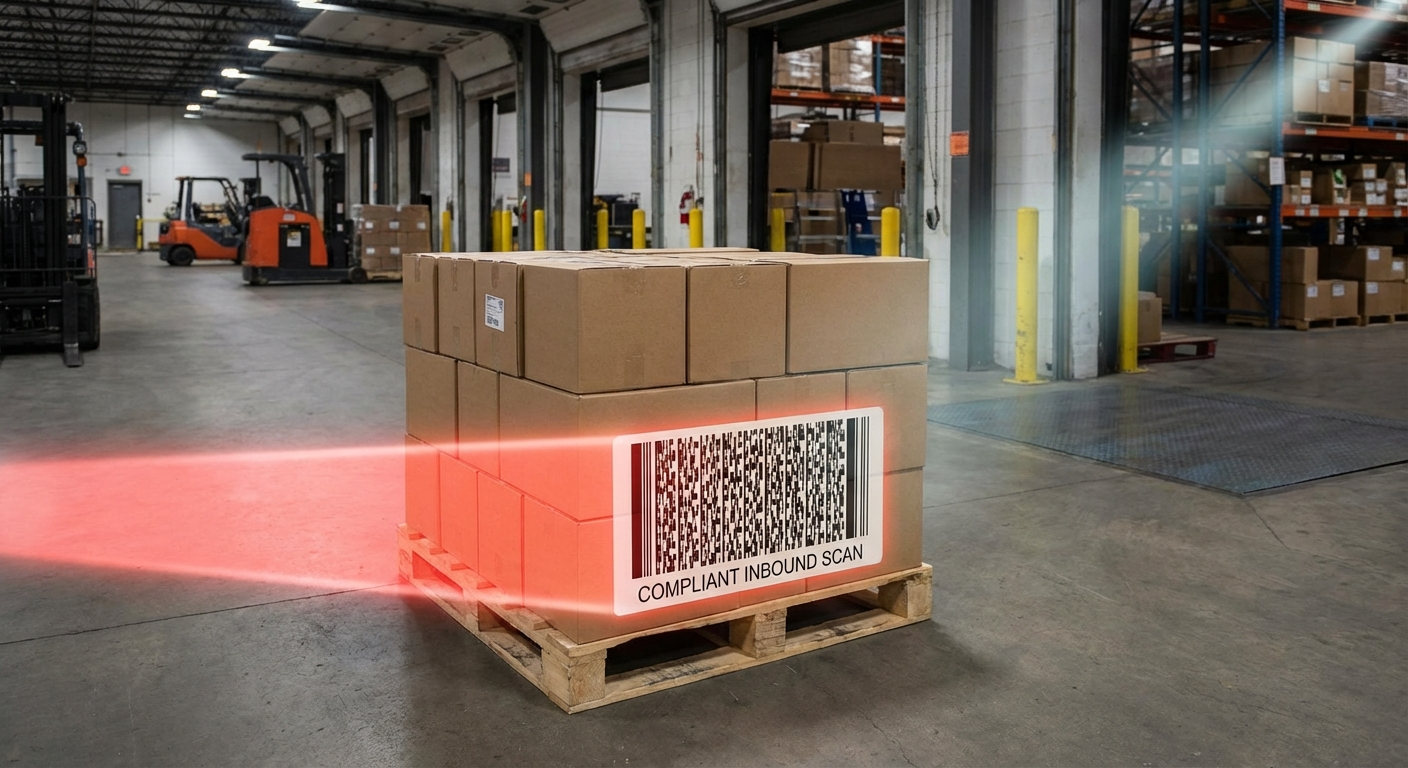
What Is Supplier Packaging in Warehouse Receiving, and When Does It Matter?
Supplier packaging refers to the materials, design decisions, and methodologies your vendors use to prepare and protect your products before shipment to your warehouse or 3PL partner. This includes everything from corrugated boxes, inner packing configurations, master case construction, pallet size and type, stretch wrapping, dunnage, labeling, and associated paperwork. In a warehouse receiving context, supplier packaging is the very first physical interaction between the inbound shipment and the receiving team.
Proper supplier packaging matters significantly in a wide range of scenarios, including but not limited to:
• Onboarding a new 3PL or relocating warehouse facilities: Different logistics providers may have varying expectations and standards, and packaging that worked well for one may cause issues with another.
• Scaling product lines with new SKUs or bundle types: As SKUs multiply, having uniform and predictable packaging reduces complexity and error.
• Switching suppliers, especially from overseas or mixed pallet contents: Without proper packaging coordination, mixed SKUs or nonstandard pallets become a headache.
• Addressing slow dock-to-stock times, frequent damage reports, or poor space utilization: These issues frequently trace back to packaging choices impacting how product moves through the dock and storage environment.
Supplier packaging is important because warehouse receiving is the starting point of all downstream supply chain activities—stock accuracy, order picking, packing, and delivery schedules hinge on reliable receiving data. When packages arrive damaged, poorly labeled, or on incompatible pallets, the warehouse team is forced into reactive measures like repalletizing, recounting, quarantining, and rework. These corrections translate into longer lead times, additional labor costs, and increased risk of outbound mistakes. Essentially, poor packaging becomes a bottleneck that ripples through fulfillment and customer experience.

Step-by-Step Warehouse Receiving Workflow Impacted by Supplier Packaging
Each phase of the receiving process is influenced directly by how inbound goods are packaged. Here’s a detailed look at the typical workflow:
1. Appointment and Document Confirmation
Before trucks arrive, warehouses rely on accurate shipment documentation such as Advanced Shipping Notices (ASNs) and Purchase Orders (POs) transmitted using EDI standards. For example, EDI 850 (PO), EDI 855 (PO Acknowledgment), and EDI 856 (ASN) provide vital packing and carton count information.
Packaging Impact: When the ASN includes detailed carton counts and serialized shipment container codes (SSCC IDs) that match the physical carton labels, the receiving team can scan items once and confirm counts immediately. Missing or inaccurate carton information requires manual counting and verification, causing delays at the dock.
2. Arrival Check-In
Receiving verifies the Bill of Lading (BOL), consignee information, and pallet counts against appointment details.
Packaging Impact: Mixed-SKU pallets or shipments without pallets (floor-loaded) require additional scrutiny and additional unpacking labor, increasing unload times and error potential.
3. Unload to the Dock
Trained operators use forklifts or pallet jacks to move pallets off trucks. This works best with standardized pallets, such as the common 48x40-inch GMA pallet used in North America.
Packaging Impact: Non-standard pallets (e.g., Euro pallets 1200x800 mm or 44x44 inch pallets), pallets with overhang, or poor stretch wrapping increase the need for repalletizing. Overhanging carton corners are vulnerable to damage when moved by forklifts.
4. Visual Inspection
Warehouse staff examine pallets for damage such as torn cartons, leaning stacks, liquid stains, broken bands, or compromised pallet integrity.
Packaging Impact: Packaging with weak corrugated material, lacking corner boards, or insufficient stretch wrap leads to damage and potential quarantine holds. In the case of liquids or fragile items, missing inner dividers and adequate sealing often result in leaks or breakage.
5. Label Verification and Scan
Cartons should have GS1-128 compliant barcodes, including SSCC pallet identifiers, and human-readable information such as SKU number, lot, expiry (if needed), and case quantity printed on at least two adjacent sides plus the pallet top.
Packaging Impact: Unclear, missing, or damaged labels force manual data entry, opening cartons to verify contents, and double-checking, all of which slow receiving and increase errors.
6. Count Reconciliation Against PO/ASN
Inventory counts captured via scanning or manual checks are compared to the expected quantities documented in the PO and ASN.
Packaging Impact: Inconsistent case pack quantities (e.g., expecting 24 units but receiving 20) lead to inventory reconciliation issues that disrupt inventory accuracy and slow put-away times.
7. Staging to Dock-to-Stock or QA Zones
Clean pallets that meet height, weight, and stability standards move directly to storage, while questionable pallets are routed to QA for inspection.
Packaging Impact: Pallets exceeding height or weight limits reduce safe stacking options and may require floor storage, increasing space use and slowing warehouse throughput.
8. Put Away to Storage
Pallets and cartons are stored in designated racking or reserve locations efficiently to optimize cube and picking workflows.
Packaging Impact: Oversized or non-stackable packaging wastes valuable warehouse space, increasing storage costs and complicating inventory management.
Common Packaging Issues That Break Receiving
• Floor-loaded imports without pallets requiring hand unloading.
• Inconsistent inner and master case packing for the same SKU.
• Non-compliant or damaged pallets with overhang and broken stringers.
• Missing, incorrect, or unreadable barcode labels, forcing manual recounts.
• Weak corrugated packaging lacking adequate protection on tall pallets.
• Mixed-SKU pallets without layer separators or clear labeling.

Key KPIs and SLAs Affected by Supplier Packaging Quality
KPI/SLA: Dock-to-stock time. Effect of good packaging: Fast unloading with standardized pallets and clear labels. Effect of poor packaging: Significant delays due to repalletizing and relabeling.
KPI/SLA: Inventory accuracy. Effect of good packaging: High consistency with barcode scanning and correct case packs. Effect of poor packaging: Increased miscounts and hand-key errors.
KPI/SLA: Order cycle time. Effect of good packaging: Smooth flow enabling on-time outbound order fulfillment. Effect of poor packaging: Delays caused by manual interventions and rework.
KPI/SLA: Damage rate/shrink. Effect of good packaging: Minimal due to protective packaging and secure palletizing. Effect of poor packaging: Higher product damage, returns, and waste.
KPI/SLA: Space utilization. Effect of good packaging: Efficient utilization with right-sized, stackable pallets. Effect of poor packaging: Wasted storage due to oversized or unstable pallets.
These KPIs directly influence warehouse operational efficiency, cost control, and customer satisfaction metrics. Investing effort in supplier packaging standards pays off by improving these crucial indicators.

Pricing Drivers Related to Supplier Packaging in Receiving
Packaging decisions affect several cost components in warehouse receiving and handling:
• Pallet Standardization: Using standard 48x40 inch GMA pallets enables smooth forklift handling and racking. Non-standard pallets require repalletizing, generally priced between $20-$60 per pallet labor cost depending on complexity.
• Floor-Loaded vs. Palletized Freight: Palletized goods unload more quickly. Floor-loaded shipments need manual unloading and sorting, often taking two to four times longer and increasing labor fees.
• Label Compliance: Compliant GS1-128 case labels and SSCCs minimize manual touches. Poor labeling requires relabeling billed per label ($0.25–$1.00 plus materials) or even hourly labor.
• Case Pack Consistency: Consistent inner and master pack configuration speeds scanning and counting. Mixed or incorrect packs require carton verification, billed hourly or per carton.
• Damage and QA Rework: Weak corrugated materials, poor wrapping, or lack of liquid barrier films lead to damage claims, disposal fees, photography, and extra handling labor.
• Storage Cube Utilization: Oversized cases and non-stackable pallets increase your footprint in both pick-face and reserve storage, raising monthly storage costs.
• Compliance Violations: Missing lot/expiry dates, certificates of analysis, or serial number data can halt inventory put-away, cause administrative work, and even lead to supplier chargebacks per contract terms.
Choosing to work collaboratively with suppliers on packaging standards can significantly reduce these inbound costs, improve warehouse throughput, and prevent costly accessorial fees.
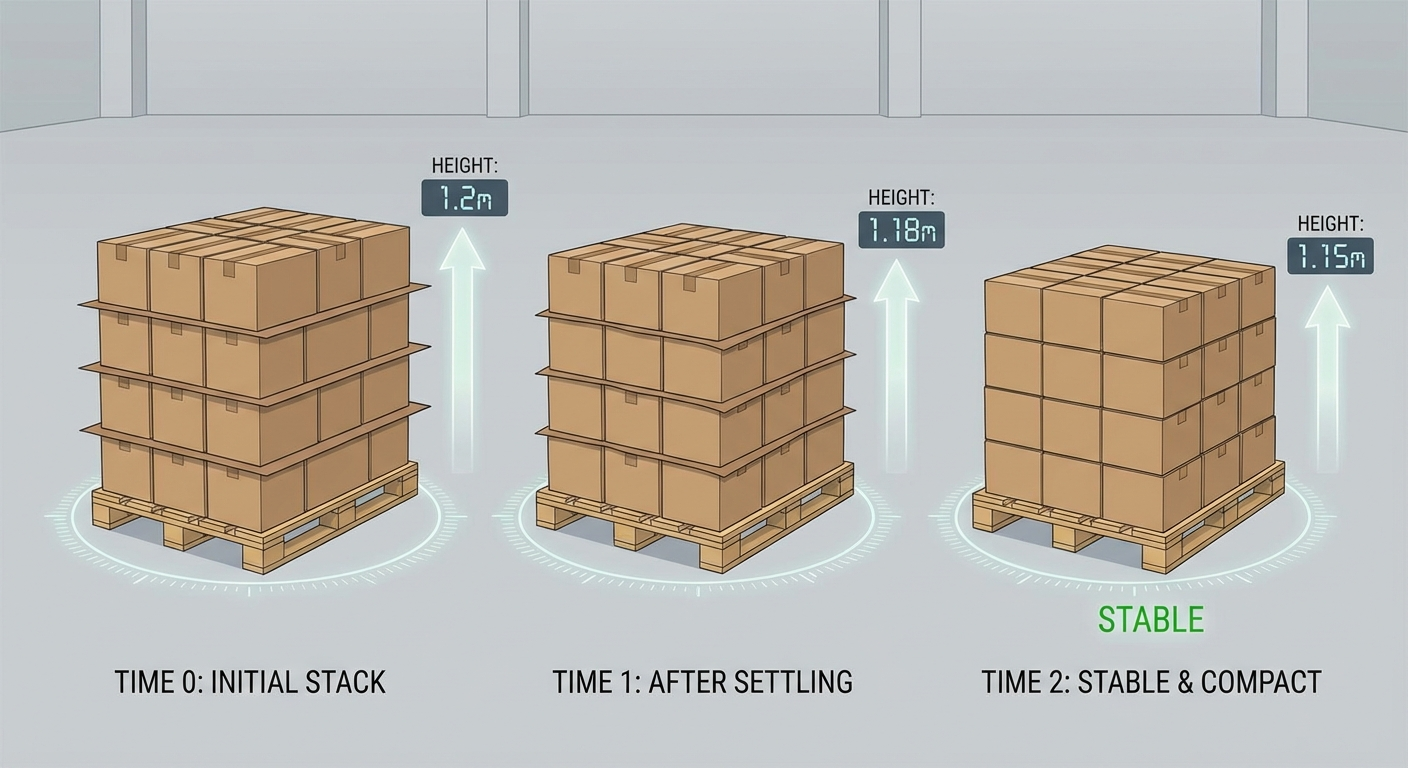
Risks and Mitigations with Supplier Packaging in Warehouse Receiving
Risk: Receiving delays due to inconsistent packs and labels. Mitigation: Issue clear supplier packaging and labeling guides; require ASNs with carton details; implement tolerance policies.
Risk: Product damage caused by weak corrugated or no corner protection. Mitigation: Specify minimum corrugate grade, require corner boards, banding/wrap standards, and pallet height/weight limits; audit inbound shipments.
Risk: Storage inefficiency from non-stackable pallets and oversized cartons. Mitigation: Standardize pallet dimensions and stacking rules; set max pallet height and weight; enforce SKU stackability specifications.
Risk: Label-driven errors causing manual recounts and keying. Mitigation: Mandate GS1-128 barcodes with all required info on multiple sides; validate EDI 856 before shipment.
Risk: Increased labor and accessorial costs. Mitigation: Monitor vendor compliance via scorecards; recoup costs where contracts permit; provide regular corrective feedback to suppliers.
Supplier Packaging Standards Checklist (Use with Your Vendors)
• Pallets: Standard 48x40 GMA, sound deck boards, no broken or overhanging stringers.
• Height/Weight: Max 60–72" tall, ≤2,000 lb per pallet unless pre-approved.
• Load Stabilization: Four-way forklift entry; corner boards on tall/fragile loads; banding plus stretch wrap securing full load.
• Case Pack: Consistent inner and master packs with printed case quantity; no mixed-SKU cartons unless clearly labeled.
• Labels: GS1-128 barcodes with SSCC carton IDs; human-readable SKU, description, case quantity, lot/expiry as needed; visible on two adjacent sides plus top.
• Liquids: Sealed containers, poly-bags, and inner dividers as appropriate; marked for top-load if necessary.
• Compliance Data: ASN (EDI 856) with PO, pallet counts, and dimensions included.
• Marking: “Mixed SKU” labels when unavoidable; use layer sheets between SKUs.
• Safety: No protruding nails, unstable pallets, or leaning stacks.
The Atlanta Advantage for Supplier Packaging and Warehouse Receiving
• Located near the Port of Savannah and Hartsfield-Jackson Atlanta International Airport, our 3PL facility offers quick inbound transfer times with less congestion and efficient drayage handoffs.
• We maintain a fast dock-to-stock SLA, moving palletized, compliant freight to put-away the same day, and providing clear ETAs for more complex inbound shipments.
• With local supply network connections, we work directly with your suppliers to enforce packaging guidelines effectively.
• Two-day parcel reach to approximately 80% of U.S. customers supports rapid outbound fulfillment for DTC and retail brands.
• Our facility blends integrated kitting, assembly, printing, and rework services in one location, enabling corrective packaging handling without bouncing freight between vendors.
What You Get with All Points in Supplier Packaging and Warehouse Receiving
• Operator-grade warehouse receiving SOPs with real-time visibility into dock-to-stock timing, count accuracy, and damage rates. We share these KPIs transparently with our partners.
• Collaborative supplier packaging standards tailored to your SKU profiles and fulfillment workflows, including vendor kickoff meetings and label template provisioning.
• Onsite corrective services such as relabeling, repalletizing, and kit conditioning to prevent downstream errors and expedite handling. Learn more: https://www.allpointsatl.com/services/custom-kitting-product-assembly
• A seamless handoff to fulfillment with fast, accurate outbound operations. Explore: https://www.allpointsatl.com/services/e-commerce-order-fulfillment
• Warehouse storage optimized through deep expertise in building pick faces and reserve locations tailored to your velocity and SKU mix. See: https://www.allpointsatl.com/services/warehousing-distribution
• In-house printing and marketing material capabilities for inserts, labels, and branded packouts where supplier packaging falls short. Visit: https://www.allpointsatl.com/services/printing-marketing-materials
Real-World Examples We See (and Fix)
• Overseas vendor shipping on 44x44 pallets: We repalletize to standard 48x40, relabel mixed layers, and enforce max pallet height and weight. The supplier receives an updated packaging standard and is tracked against compliance for future orders.
• Premium skincare line packed in thin corrugated without inner dividers: Items leaked and were quarantined. After analysis, the supplier upgraded corrugate grade and inner pack materials, reducing product shrink substantially.
• Floor-loaded DTC cartons without SSCC labels: The first inbound required hours of manual processing. We implemented carton label standards and mandatory ASN 856, cutting unload times by over 50% on subsequent shipments with improved count accuracy.
How to Reduce Costs Related to Inbound Packaging — Fast Wins
• Implement GS1-128 case labels and require EDI 856 ASNs containing carton IDs. This change offers the largest boost to receiving accuracy and speed.
• Standardize pallet sizes and set firm maximum pallet heights to ensure stackability and warehouse efficiency.
• Right-size master cartons to reduce wasted cube and minimize the risk of damage from crushed or oversized packaging.
• For liquids, demand seals, inner dividers, and robust packaging. Paying a small premium per unit offsets costly leaks and cleanup.
• Establish a vendor scorecard to track packaging compliance and share results regularly. Where contracts permit, recoup costs from repeat non-compliant suppliers.
FAQ
What is supplier packaging?
Supplier packaging is how your vendors prepare and arrange products for inbound shipment, encompassing boxes, packing materials, pallets, labels, and protective elements. It profoundly impacts how your 3PL or warehouse receives, stores, and ships products.
How does packaging affect dock-to-stock time?
Standardized packaging with scannable labels allows quick, efficient unloading and put-away. Conversely, non-standard pallets, mixed SKU cartons, and poor labels often double or triple receiving times due to repalletizing and manual verification.
What are common packaging problems in warehouse receiving?
Typical issues include non-standard pallets, pallet overhang, floor-loaded imports, fragile or weak corrugated boxes, insufficient stretch-wrap, missing GS1-128 labels, mixed case packs, and absent lot or expiry information on regulated goods.
How can I reduce costs related to inbound packaging?
Adopt a supplier packaging guide, enforce mandatory ASN carton-level details, standardize pallets and case packs, and use vendor scorecards to improve compliance and reduce rework and labor charges.
Why choose an Atlanta-based 3PL like All Points?
We offer fast national reach—delivering within two days to ~80% of the U.S.—with direct inbound routes from the Port of Savannah and Atlanta airport. Our integrated kitting, assembly, and printing capabilities allow onsite correction of packaging issues, ensuring your orders ship accurately and on time.
Ready to tighten supplier packaging and speed up receiving?
Get a kitting quote: https://www.allpointsatl.com/services/custom-kitting-product-assembly
Talk to an Atlanta 3PL expert (Contact Us): https://www.allpointsatl.com/contact
Secondary option: Download our free 3PL Guide.
Based in Atlanta since 1995
Call +1 (XXX) XXX-XXXX | Email contact@allpoints.com
References and Further Reading
How Packaging Choices Impact Your Supply Chain Efficiency: https://www.atlascontainer.com/blog/how-packaging-choices-impact-your-supply-chain-efficiency
Packing in Warehouse – Interlake Mecalux: https://www.interlakemecalux.com/blog/packing-in-warehouse
Influence of Packaging on Warehouse Operations: https://www.timesla.com/influence-of-packaging-on-warehouse-operations/
The Critical Importance of Packaging in the Supply Chain: Boost Efficiency and Reduce Costs: https://mugele.com/blog/the-critical-importance-of-packaging-in-the-supply-chain-boost-efficiency-and-reduce-costs/
Primary Packaging Requirements for Suppliers – SupplyPike: https://supplierwiki.supplypike.com/articles/primary-packaging-requirements-for-suppliers
Disclaimer
All Points is an Atlanta-based, family-owned 3PL founded in 1995. We deliver end-to-end logistics—from custom kitting and ecommerce fulfillment to warehousing, distribution, and printing—so your brand ships accurately, on time, and at scale. This article is for informational purposes only and does not constitute legal, financial, or professional advice. Results may vary depending on supply chain conditions and operational practices.
Conclusion
Supplier packaging directly impacts warehouse receiving efficiency—standardized pallets, accurate labels, and robust protection speed dock-to-stock times, reduce errors, and lower costs. Optimizing inbound packaging ensures smoother operations, better inventory accuracy, and faster fulfillment, key for scalable and cost-effective supply chains.

.webp)
.webp)
.webp)
.webp)


