


Shopify Fulfillment Delays — How to Manage Them and Protect Your Brand
Shopify fulfillment delays frustrate DTC brands and increase customer support tickets. Customers often reach out the moment orders miss their promised ship dates or when tracking stalls in the dreaded “Label created” status. This article is designed for founders, operations managers, and retail marketers seeking a deep understanding of where delays happen, how they impact operations and customer experience, and practical workflows to reduce risks and improve your order fulfillment SLAs.
What Are Shopify Fulfillment Delays and When Do They Occur?
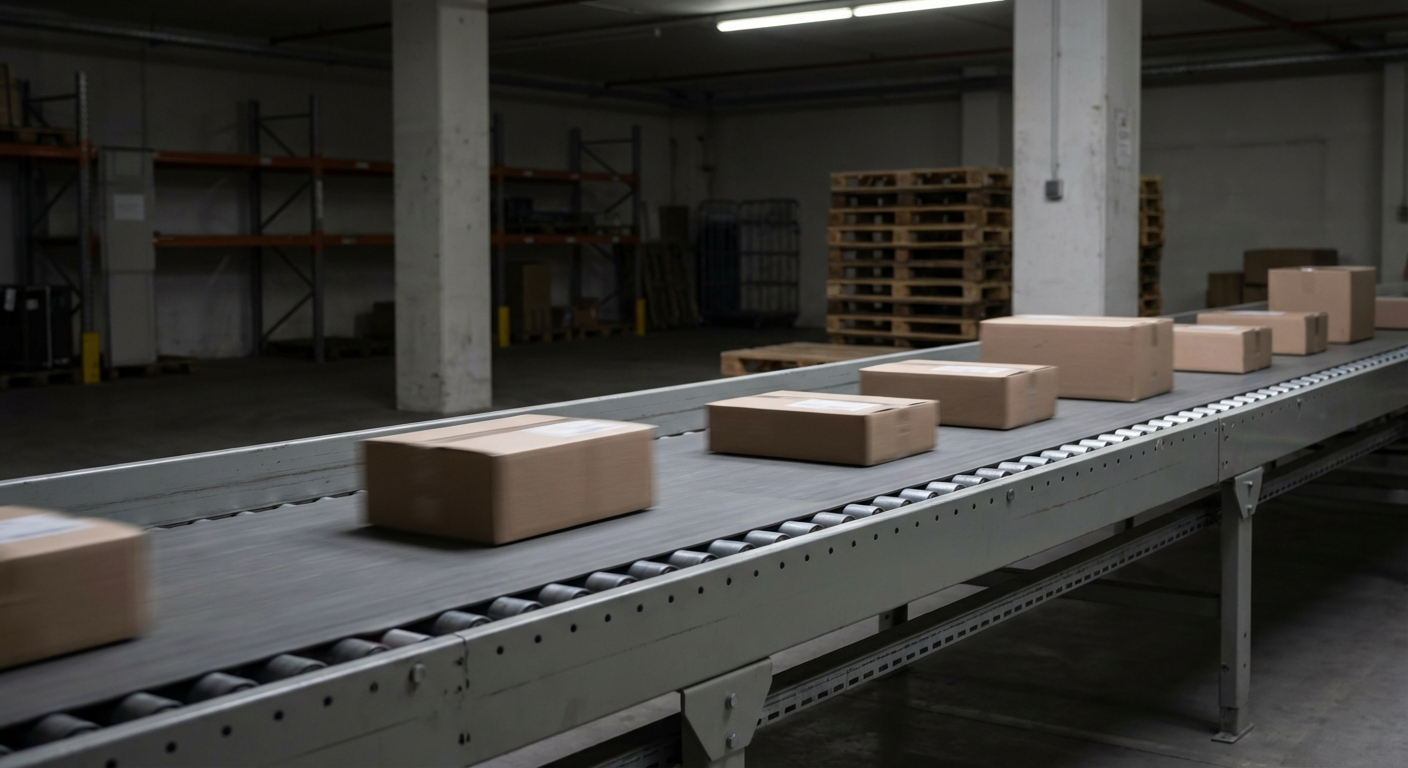
Shopify fulfillment delays refer to late order processing or shipment beyond the promised times set at checkout or in order notifications. These delays can occur anywhere in the fulfillment pipeline—from picking and packing to carrier handoffs and last-mile delivery—and usually manifest as orders staying too long in the unfulfilled queue or tracking updates freezing “in transit.”
Common causes we observe in Shopify-based operations include:
- High order volume spikes: Sudden surges from flash promotions, influencer marketing, or overlapping purchase orders with retail shipments can overwhelm fulfillment capacity.
- Inaccurate customer addresses: Typos, missing apartment/unit numbers, and incorrect zip code + city combinations lead to failed deliveries and reroutes.
- Inventory misalignment: Oversells due to delayed ASN receipts, quarantined stock, or inaccurate Shopify inventory counts create order exceptions and backorders.
- Operational bottlenecks: Single-threaded kitting lines, poor batch logic, excessive walking distances in cluttered pick paths, and manual label application increase processing time.
- Process debt and lack of discipline: No published cutoffs, early label printing before product packs, and manual data transfers create confusion and customer frustration.
Delays matter because they directly trigger negative customer experiences and increase support tickets, as buyers ask, “Where is my order?” These tickets can flood your inbox or chat and demand costly human intervention. Delays also jeopardize repeat business by shaking trust in your brand’s promises.
When to anticipate delays:
- Seasonal peaks: Black Friday, Cyber Monday, and holiday seasons overwhelm warehouse capacity.
- Product launches: New SKUs and bundles increase operational complexity and inventory challenges.
- SKU sprawl: Adding variants, bundles, or kits without updating slotting or SKU logic causes picking errors and inefficiency.
- Replenishment gaps: Late inbound inventory or slow dock-to-stock processing create inventory freezes that block outbound orders.
The impact is immediate. Every day an order slips beyond your target ship date inflates “Where is my order?” (WISMO) tickets, delays customer receipt, and increases refund or cancellation risk. If you notice your support volume skyrocketing, review your on-time ship rate carefully and spot packages lingering in “pre-transit” status over 24 hours.
Step-by-Step Workflow to Minimize Shopify Fulfillment Delays
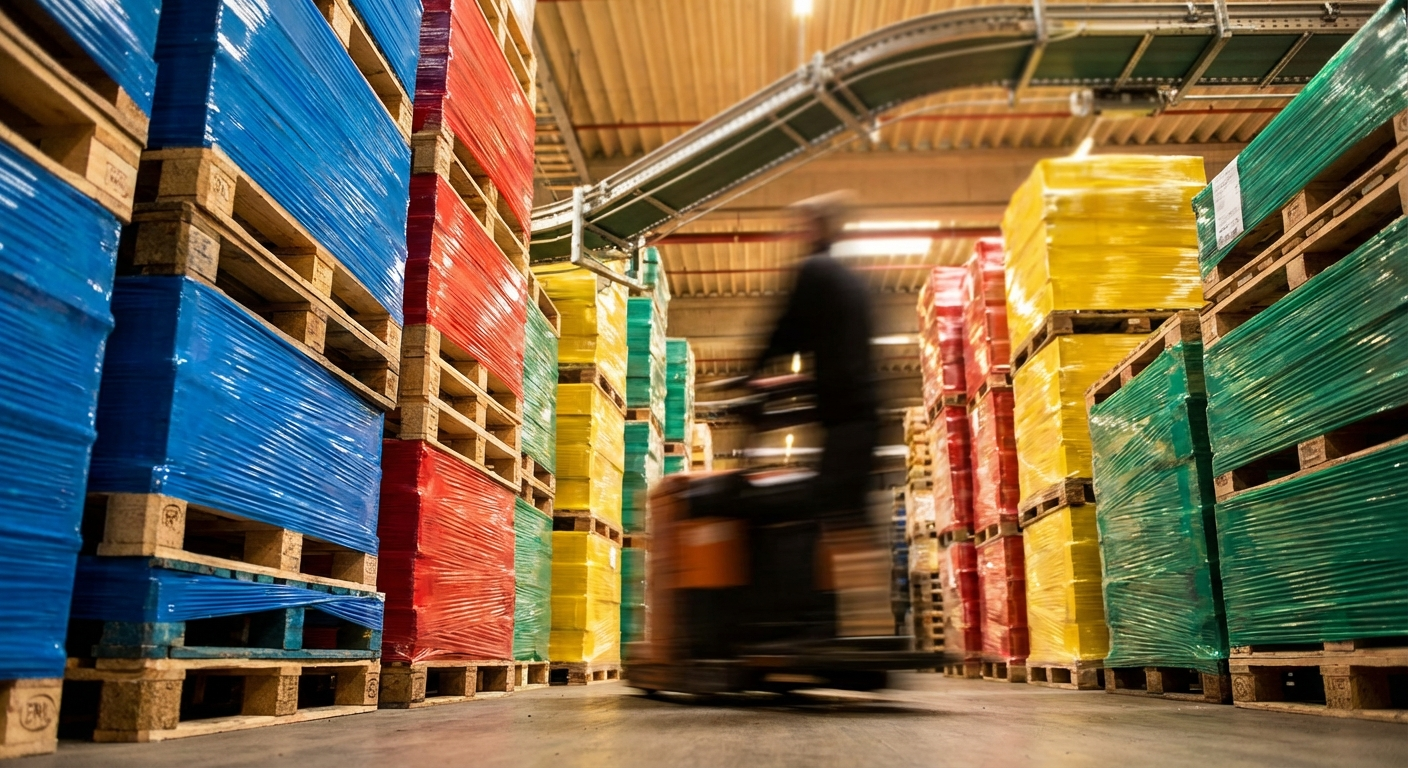
A disciplined, operator-level workflow is essential to reduce Shopify fulfillment delays and keep your customers happy. With the right processes and tools—whether through your internal operations or a trusted 3PL partner—you can sharply reduce exceptions and support tickets.
1. Integrate Shopify orders with your 3PL warehouse management system (WMS)
- Use direct Shopify app integrations or APIs that push paid orders near real-time.
- Map order tags (VIP, subscription, launch) and shipping methods to warehouse priorities to queue orders appropriately.
- Confirm deduplication and idempotency in integration flows to avoid double picks or missed items.
2. Validate customer addresses before picking
- Automate CASS/DPV address validation at the point of order capture.
- Immediately flag unverifiable addresses for manual review or customer follow-up.
- Use automated emails to request missing apartment numbers or correct mismatched zip codes on the same day.
- Fixing addresses early reduces re-shipments and customer support volumes.
3. Batch orders daily by cutoffs aligned to Shopify order cutoffs
- Publish clear cutoff times (e.g., all orders placed by 12:00 p.m. ET ship same day; after 12:00 p.m. ship next business day).
- Build picking waves by carrier, service type, zone, and pick type (single vs. multi-line), keeping mixing to a minimum.
- Run micro-waves for late, high-priority orders, avoiding disruption of larger waves.
4. Use optimized pick paths and clear Standard Operating Procedures (SOPs) to maintain pick accuracy
- Slot A-movers close to pack stations; keep bulky or heavy SKUs near the floor.
- Leverage zone or cluster picking for multi-line orders; pick-to-tote for single SKU bursts.
- Review slotting weekly during promos and seasonal changes; SKU velocity always fluctuates.
5. Print and assemble kits under one roof to reduce handoffs and coordinate packout
- Prebuild kits on a takt schedule instead of ad hoc during packout.
- Print inserts, labels, and other pack components onsite to avoid supplier delays.
- Standardize Bill of Materials (BOMs) per SKU to prevent tribal knowledge failure.
6. Confirm pick and pack completion with real-time scanning
- Scan every pick and pack with no exceptions; strict scanning discipline minimizes errors.
- Use check-weighing to catch missing or extra items without slowing lines.
- Only print shipping labels after pack confirmation—this stops tracking statuses from freezing in “Label created” and customers contacting support.
7. Generate and share shipment tracking with customers automatically
- Push tracking updates automatically to Shopify after pack confirmation and label creation.
- Send automated email/SMS notifications with clear expectations: “Shipped today; carrier pickup between 5–7 p.m. ET; first scan may appear after 10 p.m.”
- Maintain an exceptions dashboard tracking orders that are aging beyond SLA, failed address validations, or lack first scan in 24 hours.
8. Monitor dock-to-stock times to speed replenishment cycles
- Book inbound appointments with vendors to avoid congestion.
- Pre-receive Advanced Shipment Notices (ASNs) with pallet and case counts to prepare warehouse teams.
- Target dock-to-stock times under 4 hours to prevent “order pending inventory” status and related delays.
By following this step-by-step workflow, you create a stable, responsive fulfillment operation that reduces customer anxiety and support tickets.

KPI & SLA Table to Track and Control Fulfillment Speed
Measuring and tracking key performance indicators (KPIs) daily is fundamental to controlling fulfillment speed and reducing delays.
KPI: Pick Accuracy | Target: ≥ 99.5% | Why it matters: Minimizes errors requiring re-ship or rework
KPI: Order Cycle Time | Target: < 24–48 hours post-order | Why it matters: Meets customer shipping expectations
KPI: Dock-to-Stock | Target: < 4 hours | Why it matters: Keeps inventory visibility accurate
KPI: On-time Ship | Target: ≥ 95% | Why it matters: Maintains your promise and customer trust
Review typical SLA ranges by Shopify order volumes:
- Sub–1,000 orders/day: Same-day ship for orders placed before 12:00 p.m. local time; next-day for later orders.
- 1,000–5,000 orders/day: Prioritize same-day ship for single-line, VIP, and subscription orders; next-day for complex or bundled multi-line orders. Maintain 95%+ on-time ship rates.
- 5,000+ orders/day: Use tiered SLAs by order type with scaled waves and multiple shifts proactively planned around promotions or campaigns.
Set up early visibility into exceptions by monitoring rate of late packages and “pre-transit” tracking updates older than 24 hours. Rapid action prevents backlogs and minimizes customer contacts.

Pricing Drivers that Affect Shopify Fulfillment Delays
Fulfillment delays and cost are closely intertwined; understanding pricing drivers enables cost-effective decision-making and SLA adherence.
- Volume spikes: Sudden surges that aren’t supported with planned labor schedules trigger overtime or premium charges and increase fulfillment cycle times. Lock labor capacity and warehouse shifts at least two weeks in advance of promotions.
- Batch sizes: Larger, efficient picking waves reduce warehouse touches and throughput time; small random waves increase travel and missed cutoffs, raising operational costs.
- SKU complexity and kit assembly: Handling multiple SKUs per order or assembling kits increases process time and labor requirements; prebuilding kits and standardizing pack BOMs flatten these costs.
- Last-minute order changes or address corrections: Mid-stream edits add manual workflow steps that can push orders beyond cutoffs and increase costs. Freeze order changes past a predefined window.
- Faster ground shipping (Atlanta advantage): Shipping from a central location like Atlanta reduces transit times and lowers the risk of expensive expedited air shipments, balancing cost and delay risk.
- Accurate demand forecasting: Clean sales forecasts secure labor and dock space, avoiding costly last-minute capacity and space constraints. Poor forecasts force premium surcharges and increase delay risk.
Consciously optimizing these pricing levers supports smoother Shopify fulfillment and protects your brand promise on every shipment.
Risks and Mitigations Around Shopify Fulfillment Delays
Every fulfillment operation faces risks that can cause Shopify fulfillment delays. Each must be identified and mitigated proactively.
Risk: Incorrect addresses causing returns | Mitigation: Automated address validation at order capture; immediate customer outreach and order block until verified
Risk: SKU sprawl causing picking errors | Mitigation: Monthly slotting reviews; rationalize SKUs; implement velocity-based layouts
Risk: Labor shortages during peaks | Mitigation: Cross-train warehouse staff; maintain flexible bench; stagger shifts aligned with order cutoffs
Risk: Lack of tracking info | Mitigation: Strict scan discipline; print labels only on confirmed packs; automated customer notifications
Risk: Over-customization causing delays | Mitigation: Pre-kit customization with clear SOPs; consolidate printing and kitting under one roof
Risk: Late inbound inventory | Mitigation: Enforce vendor appointments; scorecard compliance; maintain backup stock; penalties for late delivery
Mitigating these risks reduces delays, lowers customer frustration, and keeps support tickets manageable.
The Atlanta Advantage for Shopify Fulfillment Delays
Location plays a crucial role in reducing post-fulfillment transit delays. Atlanta offers several strategic advantages for Shopify fulfillment:
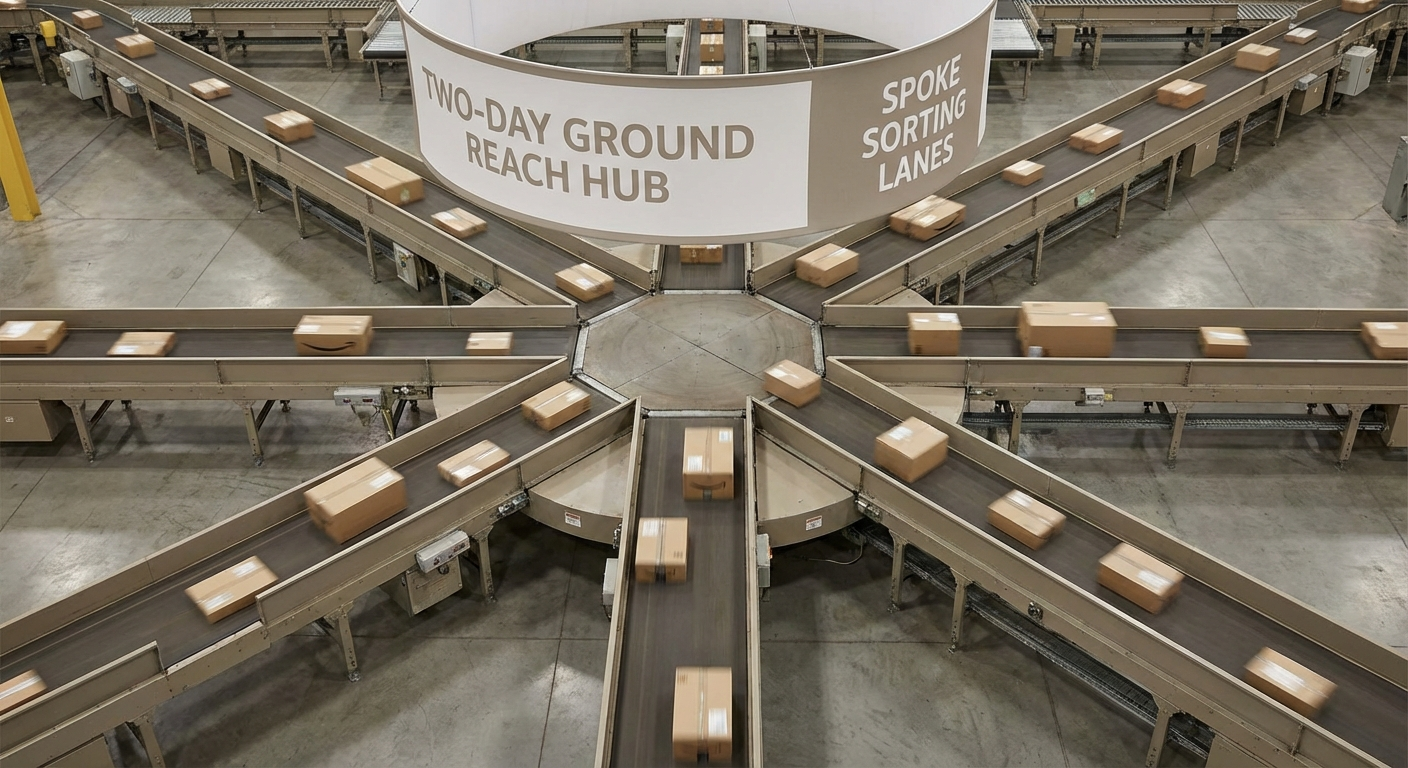
- Two-day ground reach to approximately 80% of the U.S. population: This central location dramatically reduces transit times and delivery variability—key contributors to Shopify fulfillment delays and WISMO tickets.
- Reduced shipping zones lower per-order costs: Shipping from Atlanta reduces the need for expensive air upgrades due to tighter ground service coverage and eliminates costly last-mile variability.
- Proximity to major carrier hubs: This proximity cuts first-scan delays and minimizes late tenders by carriers.
- Consolidation of kitting, packing, and printing locally: Housing all fulfillment functions in one Atlanta facility eliminates handoffs and shortens lead times, allowing faster response to Shopify cutoffs and better SLA adherence.
All Points leverages these advantages by offering custom kitting and product assembly services: https://www.allpointsatl.com/services/custom-kitting-product-assembly paired with warehousing, printing, and full e-commerce fulfillment under one roof—delivering faster, more reliable Shopify order fulfillment.
Why Shopify Fulfillment Delays Spike Support Tickets (and How to Prevent Them)
Shopify customers expect real-time transparency and timely delivery. When orders miss SLAs or tracking updates stall, customers flood support with inquiries.
Common triggers for support spikes include:
- Orders missing published SLAs regardless of fault or cause.
- Tracking stuck "pre-transit" for 24+ hours, often because labels were printed before a package was sealed and staged to ship.
- Late discovery of address errors causing delivery exceptions, returns, and re-shipments.
- Inventory discrepancies where Shopify inventory shows “in-stock” but WMS flags stock as quarantined or delayed.
Prevention tactics that work:
- Publicize real cutoffs on product and order confirmation pages so customers know when to expect shipping.
- Do not display tracking links until packages are sealed and staged—it reduces “no-motion” tracking tickets.
- Maintain an exceptions queue with aging unfulfilled orders, address failures, and missing first scans; resolve same-day.
- Send proactive delay notifications to set customer expectations before support contacts arrive. Customers prefer a heads-up to a late apology.
These tactics reduce the volume and complexity of support tickets, letting your team focus on growth.
Further reading:
Why Shopify Support Tickets Exist & Self-Serve Fixes: https://www.accounteditor.com/blog/why-shopify-support-tickets-exist-self-serve-fix
Reduce Support Tickets on Shopify with Smart Help Centers: https://betterdocs.co/reduce-support-tickets-on-shopify-smart-help-center
What You Get With All Points for Shopify Fulfillment Delays
Partnering with All Points ensures operator-grade workflows and a partnership that scales with your Shopify brand.
- Experienced operators implement batch picking aligned to Shopify cutoffs, real-time scan discipline, and standard SOPs to maintain pick accuracy ≥ 99.5%.
- Seamless Shopify integration automates order flow and shipment tracking updates to customers, slashing WISMO tickets.
- End-to-end control with custom kitting, print, e-commerce fulfillment, and warehousing—all based in Atlanta. This setup eliminates unnecessary handoffs and compresses cycle times.
- SLAs designed to maintain same-day or next-day ship cycles for 95%+ on-time shipments, preserving your brand promise.
- A true partnership mindset: labor and waves planned against your forecast, immediate escalation of exceptions, and “whatever it takes” mentality to minimize delays.
Our team’s focus is on delivering operational discipline and transparency that protects your brand and grows customer loyalty.
Learn more about e-commerce order fulfillment: https://www.allpointsatl.com/services/e-commerce-order-fulfillment
Call to Action
Primary: Get a kitting quote: https://www.allpointsatl.com/services/kitting-assembly
Secondary: Download the 3PL Guide for e-commerce and Amazon sellers: https://www.allpointsatl.com/resources/3pl-guide-for-e-commerce-and-amazon-sellers
Sidebar Module (for site use)
- Based in Atlanta since 1995
- Phone: XXX-XXX-XXXX
- Email: contact@allpoints3pl.com
- Talk to an Atlanta 3PL expert: https://www.allpointsatl.com/contact
FAQ
1. What causes Shopify fulfillment delays?
Typical causes include volume spikes, address errors, slow dock-to-stock times, messy batching, and labels printed before pack confirmation. These issues push orders past cutoffs and increase support tickets.
2. How does All Points reduce WISMO (“Where is my order?”) tickets?
We enforce strict scan discipline, align cutoffs with carrier schedules, and automate tracking updates after pack confirmation. Our live exceptions queue manages aging orders and missing first scans efficiently.
3. Can you integrate with Shopify for real-time order flow and tracking?
Yes. We offer seamless Shopify integration to push orders and tracking automatically. Our fulfillment operation scales SKU count and order volume for Shopify brands with ease. Learn more: https://www.allpointsatl.com/services/e-commerce-order-fulfillment
4. What are your standard SLAs for Shopify order fulfillment?
Most brands use same-day shipping for orders received by noon ET and next-day shipping for later orders, targeting on-time ship rates above 95% and pick accuracy ≥ 99.5%. Complex kitting or multi-line orders may require next-day cycles supported by published SLAs.
5. What is the typical onboarding timeline?
2 to 4 weeks for integration, SKU setup, slotting, and pilot waves. Heavy kitting or printing customers receive staged test builds before go-live to ensure day-one SLA adherence.
6. How does being based in Atlanta improve fulfillment speed and cost?
Atlanta offers two-day ground reach to roughly 80% of U.S. customers. Shorter transit times reduce air upgrade needs and decrease in-transit delays that trigger support tickets.
Meta Information
Meta title: Shopify fulfillment delays increase support tickets — causes, fixes, and SLAs
Meta description: Shopify fulfillment delays fuel WISMO tickets. See the operator-level workflow, KPIs, SLAs, and Atlanta advantages All Points uses to keep Shopify orders moving and support quiet.
Boilerplate
All Points is an Atlanta-based, family-owned 3PL founded in 1995. We deliver end-to-end logistics—from custom kitting and ecommerce fulfillment to warehousing, distribution, and printing—so your brand ships accurately, on time, and at scale.
Disclaimer
This article provides general guidelines and industry best practices for managing Shopify fulfillment delays. Individual operational results may vary. For tailored advice, consult with supply chain experts or fulfillment partners.
Conclusion
Shopify fulfillment delays increase support tickets and hurt customer trust. This article reveals common delay causes, their impact, and an operator-level workflow to improve SLAs. Learn how better batching, address validation, real-time scanning, and Atlanta-based fulfillment streamline your operations and protect your brand promise.

.webp)
.webp)
.webp)
.webp)


