


Kitting: What It Is, How It Works, and Why Quality Matters
Kitting is a critical step for DTC brands and retail operators looking to bundle products efficiently before shipping. This breakdown explains what kitting is, how the workflow runs, key performance metrics, pricing factors, risks involved, and how partnering with an Atlanta-based 3PL like All Points ensures dependable speed and accuracy.
What is Kitting and When Should You Use It?
Kitting is the process of combining separate SKUs into a custom product bundle or kit before shipment. It involves assembling multiple distinct items into a single packaged unit that customers receive as one product.
Use cases include: Subscription boxes featuring curated selections.
Use cases include: Promotional packs that offer branded bundles.
Use cases include: Product bundles sold as value sets either online or in retail stores.
Use cases include: OEM assembly where components are preassembled before shipping.
Use cases include: Sample or trial kits containing several product variants.
Use cases include: Replenishment kits with grouped refills or replacement parts.
Why does kitting matter? Kitting moves complexity upstream in the fulfillment cycle, which means that downstream packing and shipping become more streamlined. When done effectively, it saves handling time, reduces packing errors, and improves the customer unboxing experience. For example, without kitting, each SKU in a bundle might be picked and packed separately, increasing the chance of omissions or wrong items shipped. Kitting condenses this into a single verified assembly, which can reduce fulfillment friction and improve accuracy.
However, the operational challenge with kitting lies in accuracy. Even 99% accuracy can be insufficient. That 1% failure rate might mean a missing cable in an electronics kit, a misprinted insert in a promotional pack, or an incomplete product bundle. Such errors lead to unhappy customers, increased returns, support tickets, and ultimately impact your brand reputation and net promoter score (NPS).
Partnering with a dedicated 3PL expert in kitting, such as All Points Logistics in Atlanta, can help control this complexity. Their custom kitting and assembly solutions prioritize accuracy and efficiency, allowing brands to scale confidently. Learn more: https://allpointslogistics.com/services/custom-kitting-product-assembly

Step-by-Step Kitting Workflow (SOP)
A disciplined, repeatable kitting workflow (Standard Operating Procedure) is essential to controlling errors and maintaining throughput. Below is a detailed breakdown of how quality kitting is performed.
1. Receiving Components & Materials Inspection
Components and packaging materials are received and inspected against Advanced Shipping Notices (ASNs).
Quantity counts, expiration dates, lot codes, and any damage are logged. Sensitive or perishable goods are quarantined if discrepancies arise.
Versions of packaging materials (inserts, labels, sleeves) are verified for correctness.
2. Barcode/RFID Verification Against Kit Specs
Each SKU is scanned using barcode or RFID technology and matched to a controlled Bill of Materials (BOM) specification.
Substitutions or product swaps are blocked unless explicitly approved to prevent incorrect components entering the kit.
Weight maps are used on finished kits as an additional verification layer.
3. Picking Components with Optimized Paths
Picking is conducted in batches to optimize travel paths and reduce time spent walking the warehouse floor.
High-use SKUs are slotted near kitting cells to speed picking.
Color-coded totes or kanban bins are used to prevent mixing similar SKUs.
4. Assembly per Detailed Kit Instructions
Assemblers follow visual work instructions including part photos and quantities to avoid errors.
Fixtures or jigs can be used to ensure components are positioned correctly, especially for fragile or complex assemblies.
For kits with multiple steps, tasks may be divided across stations to minimize cycle time and improve focus.
5. Verification Steps & Quality Checks
Each component is scanned or verified as it is added, with mismatches triggering hard stops in the system.
In-line weighing of kits ensures total weight falls within defined tolerances to catch omissions or substitutions.
A second operator or random sampling inspects critical or regulated kits. For retail-display or high-value kits, photo capture documents assembly compliance.
6. Packaging, Labeling, and Staging
Kits are packaged using appropriate protective materials and labeled correctly with barcodes, FNSKU, retail pricing, and compliance markings.
Pre-measured dunnage reduces variability and protects products during shipment.
Completed kits are staged by wave or shipment cutoff times.
7. Documentation and Systems Integration
Warehouse Management Systems (WMS) are updated to decrement component inventory and increment finished kit stock levels in real time.
Electronic Data Interchange (EDI) 940/945 files are exchanged with retailers or carriers as required.
Exceptions or rework flows are logged and analyzed for continuous improvement.
Kitting is tightly integrated into the overall fulfillment cycle—when kits are accurate and ready, downstream pack-and-ship operations become largely scan, label, and ship for improved velocity and fewer errors.

Key SLA and KPI Metrics for Kitting Quality
To maintain high quality and customer satisfaction, it’s necessary to define and enforce Service Level Agreements (SLAs) and monitor Key Performance Indicators (KPIs). Below are essential metrics used to govern kitting performance:
Metric | Standard | Why It Matters
Component Pick Accuracy | ≥ 99.5% | Prevents wrong items entering kits
Final Kit QA Accuracy | ≥ 99.7% | Ensures assembly correctness
Kit Assembly Cycle Time | 2–4 hours (batch) | Maintains order velocity and cutoffs
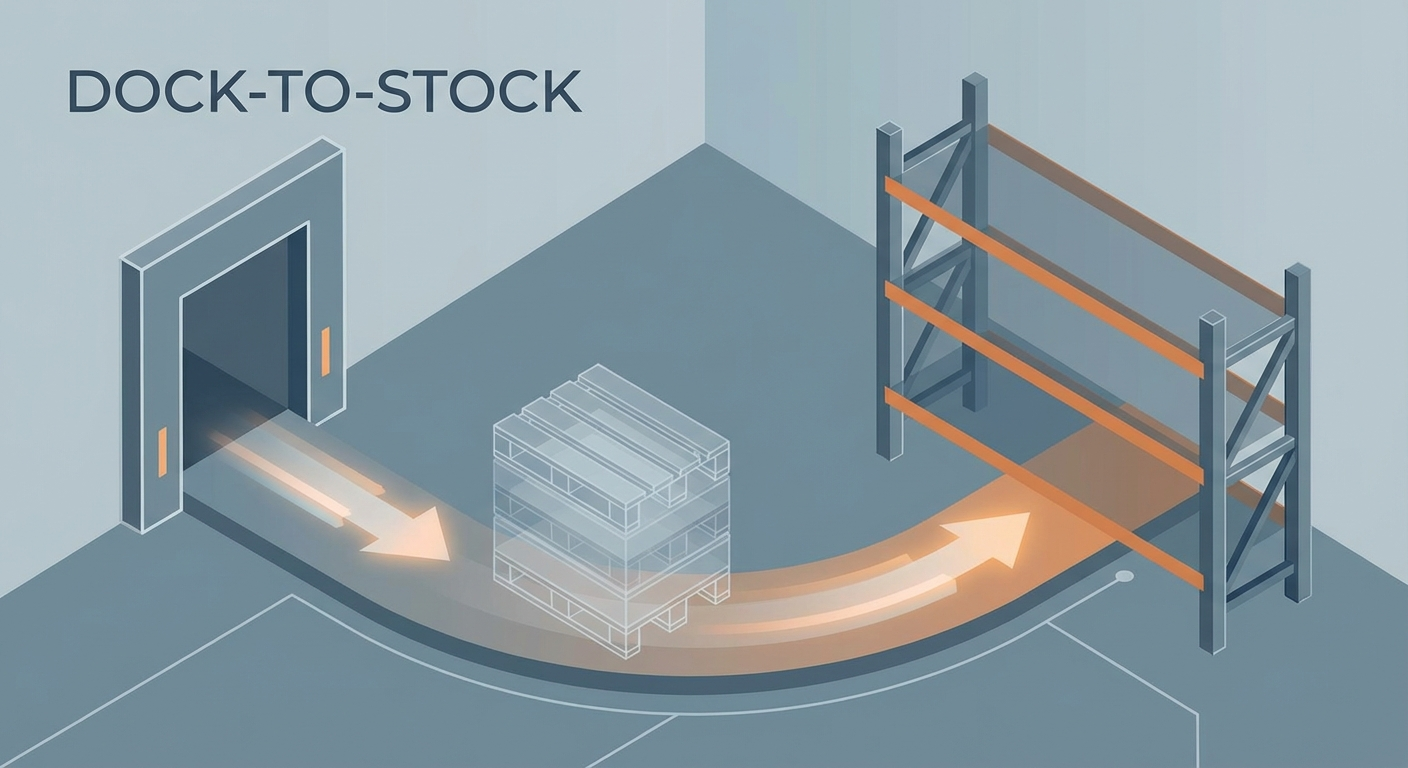
Dock-to-Stock Time | < 24 hours | Keeps inventory fresh for kitting
On-Time Ship Rate | ≥ 98% | Avoids customer delivery delays
Inventory Accuracy (Cycle Count) | ≥ 99.0% | Prevents kit delays and stockouts
Damage/Defect Rate in Transit | ≤ 0.5% | Packaging protects product integrity
These SLAs are enforced through daily exception reporting, root cause classification, and weekly KPI reviews. Any production stop for nonconformance is authorized to maintain customer experience. Weight maps and barcode scans add real-time hard stops that mitigate errors before shipment.
More on order accuracy and customer satisfaction: https://smg.com/blog/the-impact-of-order-accuracy-on-customer-satisfaction-scores and https://cirrofulfillment.com/order-accuracy-and-speed-why-it-matters-for-e-commerce-success/
Pricing Drivers for Kitting
Several factors influence the cost of kitting services. Understanding these drivers helps brands design bundles that maximize value.
Labor Intensity and Complexity: The greater the number of components, the more assembly time is required. Fragile items, regulatory seals, serial or lot number capture, and orientation requirements add operational complexity and cost.
Batch Size and Frequency: Larger batch sizes reduce the per-unit cost due to economies of scale. Small, frequent batches increase setup times and labor multitasking, driving costs up.
Materials Handling: Kits including fragile components or requiring specialty packaging (foam inserts, tamper-evident seals, custom trays) increase handling time and risk, thus increasing cost.
Custom Packaging or Printing Integration: In-house printing services for custom labels, inserts, or branded packaging lower turnaround time and reduce the risk of handoff errors. This often results in cost savings and faster production cycles.
Returns Handling and Replenishment Kits: Return kits or replenishment assemblies require additional labor for inspection, refurbishment, and re-assembly, which impact monthly minimums and reserves.
Tip: Build finished goods inventory when demand is predictable and supplement with on-demand kitting for volatile or limited-time offers. This hybrid approach balances cost efficiency with responsiveness.

Risks in Kitting and How to Mitigate Them
Despite controls, risks remain inherent in kitting operations. Here are the main challenges and mitigation strategies.
SKU Sprawl and Lookalikes: Risk: Nearly identical SKUs can be confused or swapped, especially with small parts. Mitigation: Unique barcoding on all pack levels, color-coded bins, and scan-to-verify at each assembly step.
Weak WMS Discipline: Risk: Inventory inaccuracies cause pick errors or shortages. Mitigation: Daily cycle counts of priority SKUs, strict location control, and disallowing off-system inventory moves.
BOM Version Drift: Risk: Old inserts, outdated artwork, or wrong kit specifications get shipped. Mitigation: Controlled Engineering Change Notices (ECNs) and hard stops on expired materials prevent errors.
Over-Customization: Risk: Excessive kit variants slow throughput and add labor cost. Mitigation: Standardize kit components where possible and offer customization options at checkout or before order release.
Labor Churn and Training Gaps: Risk: Untrained workers increase error rates and reduce throughput. Mitigation: Simple, visual SOPs, cross-training, daily team briefings, and targeted error-driven audits improve consistency.
Upstream Supplier Variability: Risk: Supplier short shipments or quality issues disrupt assembly. Mitigation: Incoming inspection with Acceptable Quality Level (AQL) sampling, quarantine protocols, and vendor performance scorecards aligned with SLAs.
Packaging Failure in Transit: Risk: Damaged kits despite correct assembly lead to returns and damage claims. Mitigation: Transit testing of packaging, right-sized boxes, and use of measured dunnage protect product integrity.
Demand Spikes Without Freeze Windows: Risk: Last-minute art or kit content changes cause errors. Mitigation: Enforce calendarized cutoff dates and labor capacity reservation for promotional kits.
By proactively managing these risks, organizations can achieve controlled throughput while protecting their brand reputation.

The Atlanta Advantage for Kitting and Fulfillment
Choosing the right geographic location for your kitting partner can impact cost and delivery speed.
Atlanta offers 2-day ground reach to approximately 80% of U.S. addresses, drastically reducing parcel zones and shipping charges compared to East or West Coast locations.
This strategic location allows faster click-to-door delivery without air freight fees, improving the overall customer delivery experience.
Atlanta's extensive highway network and carrier presence provide reliable pickups and consistent shipping schedules.
All Points offers integrated kitting, printing, and packaging under one roof, streamlining lead times and eliminating handoff errors common when these functions are outsourced separately.
Established since 1995, All Points combines deep regional know-how with a family-owned culture focused on partnership, quality, and scalability.
What You Get with All Points
Operator-Led Execution: Proven SOPs guide batching, pick routes, scanning, and quality assurance. Exceptional daily metrics and exception reporting keep operations transparent.
Custom Kitting Aligned to Your Brand: Cells are configured around your BOM, demand cadence, and shipping cutoffs. In-house printing and marketing materials: https://allpointslogistics.com/services/printing-marketing-materials
Clean Systems and Compliance: Real-time inventory updates integrated with EDI 940/945 comply with retailer best practices. Lot and serial capture options help regulated or serialized products.
Faster Shipping, Lower Zones: Atlanta’s geographic advantage paired with seamless integration to e-commerce order fulfillment services ensures on-time ship rates above 98%: https://allpointslogistics.com/services/e-commerce-order-fulfillment
Straight Talk on Scalability and Risk: Realistic expectations on what can scale cleanly at various volumes and clear definition of how customer experience is protected through proactive quality controls.
How We Onboard
Collaborative SKU alignment and BOM locking prevent errors before production.
Sample kits and pilot run error analysis minimize launch risk.
SLA/KPI definitions and reporting cadences set clear quality expectations.
Volume ramp with batch planning and promotional calendar freeze windows.
Scalable labor models and cell designs maintain predictable cost per unit as volumes grow.
Frequently Asked Questions
Why is 99% accuracy not good enough for kitting?
The 1% errors in kitting are high-impact because a missing, wrong, or damaged component ruins the entire bundled product experience. This damages customer loyalty significantly more than isolated single-SKU mistakes. Controls for kitting must therefore exceed traditional pick-and-pack standards. Reference: https://smg.com/blog/the-impact-of-order-accuracy-on-customer-satisfaction-scores
How long does a kitting batch take?
Typical batch assembly cycle times run between 2–4 hours depending on kit complexity, number of SKUs, and quality verification requirements.
What SLAs should I set with a 3PL for kitting?
Industry best practices recommend: component pick accuracy ≥99.5%; final kit QA ≥99.7%; kit assembly cycle times that maintain velocity; dock-to-stock under 24 hours; and on-time ship rates ≥98%.
What drives costs up or down in kitting?
Labor touches, component count, fragility, data capture, batch sizes, and packaging complexity are the main cost drivers. Printing services for customized packaging can reduce turnaround times and handling costs: https://allpointslogistics.com/services/printing-marketing-materials
Can kitting integrate with broader fulfillment?
Yes. Finished kits flow seamlessly into inventory and ship through a streamlined e-commerce order fulfillment program with full EDI integration and carrier routing: https://allpointslogistics.com/services/e-commerce-order-fulfillment
Does All Points provide storage for components and finished kits?
Yes. Comprehensive warehousing and distribution is available with cycle counting, location control, and inventory management: https://allpointslogistics.com/services/warehousing-distribution
Operational Notes to Reduce Angry Customers
Use blended inventory models: pre-build evergreen kits for steady demand and on-demand kitting for promotions.
Maintain validated weight maps for every finished kit; calibrate scales regularly.
Set strict freeze windows for promotional art and BOM changes to stabilize production.
Physically and visually separate lookalike SKUs and avoid relying solely on label color.
Audit the top five error modes weekly and retrain based on identified patterns, not one-off errors.
More resources: https://hanzologistics.com/ecommerce-fulfillment-strategies-to-meet-rising-customer-expectations/ and https://osacommerce.com/blog/order-accuracy-how-to-improve-it
Get Started Today
Partner with All Points for expert, repeatable, and scalable kitting operations that protect your brand and delight your customers.
Get a kitting quote: https://allpointslogistics.com/services/custom-kitting-product-assembly
Download the 3PL Guide: Explore operational checklists and SLA templates to benchmark your supply chain.
Contact Us
Based in Atlanta since 1995 | Phone: XXX-XXX-XXXX | Email: contact@allpointslogistics.com
Disclaimer: This article is informational and reflects operational best practices as of the date of publication. Specific results may vary depending on client needs and market conditions.
Conclusion
Kitting bundles multiple SKUs into custom kits, streamlining fulfillment and improving customer experience. Accuracy above 99.7% is crucial to avoid costly errors. Learn how a reliable 3PL like All Points in Atlanta ensures fast, precise kitting with optimized workflows, quality controls, and strategic location advantages.
%20(630%20%C3%97%20630%20px)%20(1000%20%C3%97%20630%20px)%20(1).webp)
.webp)
.webp)
.webp)
.webp)


