


Kitting: Definition, Workflow, Pricing, and the Atlanta Advantage
Kitting is a core fulfillment process for DTC brands and retail marketers who bundle multiple SKUs into a single, ready-to-ship unit. This guide covers how kitting operates on the fulfillment floor, when it makes sense to use it, the pricing factors involved, key SLAs, risks to manage, and why an Atlanta base improves cost and speed.
What is Kitting and When Should You Use It?
Kitting means assembling multiple SKUs into one packaged unit, which has its own SKU and barcode. This can be done in advance (pre-kitting) or just-in-time for events, product drops, or campaigns. When done correctly, kitting reduces decision-making on the pick line and creates quality consistency at scale.
Typical use cases for kitting include:
- Subscription boxes and curated product sets where contents remain fixed for defined runs.
- Promotional bundles for retail or DTC channels—such as gift-with-purchase or seasonal kits.
- Product launches or influencer marketing campaigns needing precise and consistent brand presentation.
- Multi-component products requiring assembly, testing, or inclusion of compliance inserts.
Kitting makes sense over standard pick-and-pack when:
- The bill of materials (BOM) is stable and batch building is possible.
- Brand presentation or unboxing experience is part of your product value proposition.
- Your pick line is burdened by multi-line orders, increasing complexity and error risk.
- Bundles contain five or more components, magnifying potential for order errors.
Conversely, kitting may not be the best option when:
- Kit content changes frequently or daily, defying reliable forecasting.
- High-mix, low-volume SKU variants disrupt batch efficiency and workflow.
- Last-minute SKU swaps or changes break pre-built kits or quality control steps.
All Points, a family-owned Atlanta 3PL since 1995, views kitting as a throughput and accuracy strategy: a disciplined approach to SKU planning and kit assembly is essential. Without it, pre-building kits can simply move disorder upstream rather than solving it.

Step-by-Step Kitting Workflow: From Receipt to Ship
The following standard operating procedure (SOP) outlines the kitting process—a reliable framework you can adjust by product or channel but must maintain control points consistently.
1. Inventory Receipt and Dock-to-Stock Processing
- Schedule inbound purchase orders (PO) with Advanced Shipping Notices (ASN) when feasible.
- Count and inspect shipment contents against the PO; immediately report discrepancies, overages, or damages.
- Apply scannable labels if vendors don’t provide them.
- Target dock-to-stock processing within 12 hours to maintain inventory accuracy and visibility.
2. SKU Segregation and Staging
- Organize components by the kit BOM with clear visual controls such as kanban signage.
- Separate closely similar SKUs like size or color variants to prevent mix-ups.
- Pre-count sub-kits when volume allows to expedite assembly.
3. Assembly Line Batching
- Build kits in batches sized according to forecast, available space, and labor capacity. Typical batch sizes range from 250 to more than 2,000 kits.
- Configure assembly line stations, including feeders, quality control checkpoints, and packing stations.
- Establish running cadence (daily or multiple times per week) that balances labor and shipment cutoffs.
4. Custom Printing and Labeling In-Line
- Apply branded inserts, labels, belly bands, cards, or QR codes during assembly to reduce errors and enhance customer experience.
- All Points offers integrated printing services under one roof, providing convenience and accuracy.
Learn more: https://www.allpointsatl.com/services/printing-marketing-materials
5. Quality Control (QC) Inspections
- Verify that kit contents match the BOM exactly at the QC station.
- Scan individual kit components and the assembled kit SKU when applicable.
- Supervisors perform random sampling and count-backs on each batch run.
6. Pack-Out and Master Carton Preparation
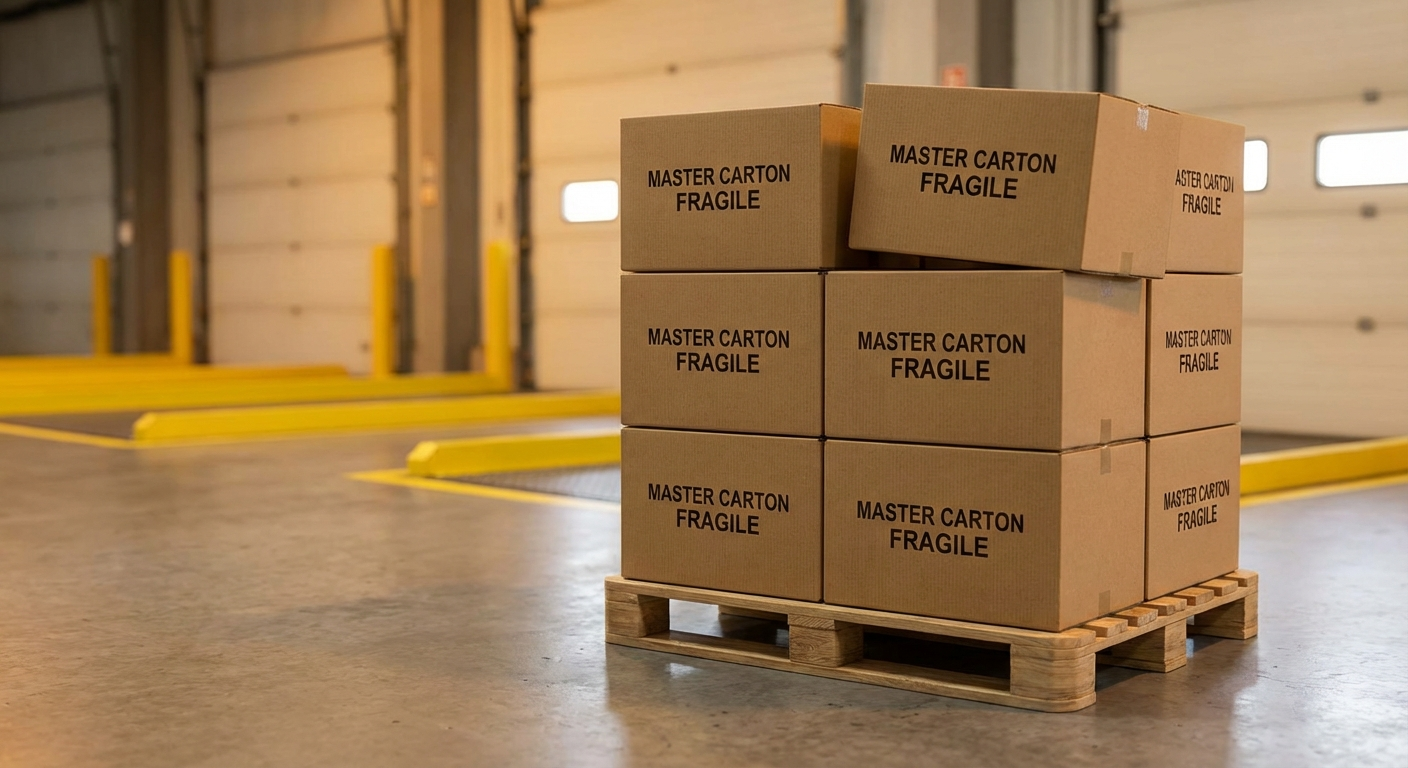
- Pack finished kits into ecommerce-ready or retail-ready master cartons.
- Apply channel-specific labels or stickers as needed.
- Palletize with count sheets and hold for shipment or storage.
7. Outbound Staging and Ship Scan
- Organize outbound packages by carrier and service level.
- Meet cutoff times scrupulously and scan packages according to the shipping manifest.
- Track throughput, scrap, and rework to improve efficiency in future runs.
Accuracy checkpoints—at receipt, staging, assembly line setup, QC, and final scan—are critical to preventing errors and expensive rework. Partners who cannot demonstrate these controls often lead to costly returns and diminished customer satisfaction.

Kitting KPIs & SLAs: What to Expect from a Quality 3PL
KPI | Industry Standard | All Points Target | How Measured | Why It Matters
Pick/Kit Accuracy | 96%–98% | 99%+ | Barcode scans, QC sampling, audits | Minimizes costly errors and returns
Order Cycle Time | 24–48 hours | Within 24 hours; same-day if ordered by cutoff | Order timestamp to carrier scan | Keeps customers satisfied with reliable delivery
Dock-to-Stock | ~24 hours | Within 12 hours | Receipt to WMS availability | Supports real-time inventory management to avoid backorders
On-Time Ship | 95%+ | 98%+ | Cutoff adherence to carrier scan | Meets customer delivery commitments consistently
This data-driven, operations-focused approach avoids vanity metrics and delivers measurable impact. Reliable pick accuracy correlates directly with reduced order errors, fewer costly returns, and better customer reviews.
References:
https://www.netsuite.com/portal/resource/articles/erp/order-accuracy.shtml
https://www.onrampfunds.com/resources/order-picking-accuracy-key-metrics-explained

Pricing Drivers for Kitting: What Moves Cost Up and Down
Kitting costs largely reflect labor time and specialized materials. You can better control pricing by stabilizing kit configurations and batching production.
- Labor Intensity: More SKUs per kit, greater customization, or fragile items require additional worker touches and slow throughput. Example: A 2-SKU kit may produce 200–300 kits per labor hour, while an 8-SKU fragile kit may only manage 60–100 kits per hour.
- Batch Size and Assembly Cadence: Larger batch runs reduce setup time, changeovers, and quality control overhead, lowering per-unit costs. Example: Weekly runs of 5,000 units incur lower costs per unit than daily runs of 500 kits.
- SKU Complexity: Similar or lookalike SKUs slow assembly because of segregation, scanning, and checking requirements.
- Packaging Materials and Printing: Custom mailers, inserts, belly bands, or printed promotional materials add labor and materials costs. All Points handles printing and labeling in-house to reduce delays and ensure accuracy. See: https://www.allpointsatl.com/services/printing-marketing-materials
- Systems and Integration Needs: Use of EDI 940/945 transactions, routing labels, or OMS integrations requires setup, testing, and ongoing validation—adding upfront and maintenance costs—but helps avoid chargebacks and improves ASN accuracy.
- Storage Requirements: Kits pre-built months in advance require pallet storage space and inventory management that affects overall warehouse footprint and picking efficiency.
- Volume Consistency: Fluctuating order volumes may lead to overtime or idle labor, increasing per-unit costs. Sharing merchandising calendars and product launch schedules helps smooth labor and cost planning.
Beware quotes significantly below market rates; these often reflect shortcutting QC steps or missing added fees for printing, re-labeling, or rework that create avoidable future expenses.
Risks and Mitigations in Kitting Operations
Managing risks with disciplined processes is non-negotiable.
- Wrong Components in Kit: Mitigation: Barcode scanning at both component and finished-kit levels, two-stage QC, and supervisor random sampling reduce errors significantly. Reference: https://deposco.com/blog/order-accuracy-perfect-order/
- Labor Shortages or Overtime Spikes: Mitigation: Cross-training staff, batching plans aligned with merchandising calendars, and steady build cadence allow smoother workforce management.
- SKU Sprawl and Poor Naming Conventions: Mitigation: SKU rationalization during onboarding, clear BOMs with version control, and removal of lookalike SKUs prevent confusion on the floor.
- Late Shipments From Build or Carrier Delays: Mitigation: Cutoff discipline, dedicated staging lanes, and buffer inventory of pre-built kits sized to velocity maintain on-time performance.
- Supplier Issues and Partial Shipments: Mitigation: Strict receiving SOPs, immediate reporting of discrepancies, and contingency packing plans keep fulfillment running smoothly despite inbound surprises.
- Packaging Damage in Transit: Mitigation: Utilizing right-size mailers and cartons with appropriate cushioning reduces crush damage; carrier testing prior to peak seasons prevents costly returns.

The Atlanta Advantage: Why Location Matters for Kitting
Location plays a crucial role in transit time, damage rates, and fulfillment cost management—not just marketing speak.
- Two-Day Ground Reach to Approximately 80% of the U.S.: Atlanta’s central location enables most DTC orders to arrive within two days via ground transit—without expensive air-shipping—improving customer experience and lowering freight spend.
- Access to Major Transportation Hubs: Proximity to Hartsfield–Jackson Atlanta International Airport, Southeastern seaports, and interstate highways accelerates both inbound receipt and outbound shipment times.
- Capacity for Peak Volume Handling: Atlanta’s extensive logistics infrastructure and multi-carrier access mean seasonal surges are absorbed with fewer delays, missed scans, or operational bottlenecks.
- Reduced Damage Risk: Shorter last-mile distances reduce the number of handoffs and handling events, cutting risks of crushed mailers, dented cartons, and damaged contents.
All Points’ Atlanta base leverages these advantages, delivering your product to customers faster while avoiding premium service fees.
What You Get with All Points
- Custom Kitting and Assembly Under One Roof: We design SOPs around your BOM, sales channels, and brand standards for accuracy and efficiency. https://www.allpointsatl.com/services/custom-kitting-product-assembly
- Integrated Printing and Labeling Services: We print and apply branded inserts, labels, belly bands, and QR codes during kit assembly—improving speed and reducing errors. https://www.allpointsatl.com/services/printing-marketing-materials
- Warehouse Discipline and Distribution Expertise: Our disciplined dock-to-stock processes, strict location controls, cycle counting, and shipping cutoff management ensure accuracy and timeliness. https://www.allpointsatl.com/services/warehousing-distribution
- Multi-Channel Fulfillment Experience: From ecommerce subscription boxes to retail-ready master cartons and branded marketing mailers, we deliver kits built to exact specifications and timelines.
- Proven Track Record: We’ve executed high-profile print-and-kit projects for premium brands, including Porsche collateral programs requiring tight quality control and aggressive deadlines.
FAQs
How is kitting priced?
Pricing usually combines per-unit fees plus materials costs, with additional one-time setup for SOP development and system integrations. Rates vary by SKUs per kit, fragility, QC level, and batch size.
What service levels (SLAs) should I expect?
Look for pick/kit accuracy above 99%, on-time shipping at 98%+, dock-to-stock within 12–24 hours, and ecommerce orders shipped within 24 hours—same-day if ordered before cutoff.
How fast is typical onboarding?
Straightforward programs usually onboard in 2–4 weeks: including discovery, BOM finalization, SOP creation, test run, and scaling. Complex integrations require more time.
Should I pre-build kits or use virtual kitting?
Both are supported. Pre-building works best for stable, high-velocity SKUs. Virtual kitting builds on demand with tight quality control during pick and pack for variable contents.
How are returns handled for kits?
Unopened and intact kits can be restocked whole. Otherwise, kits break down into components subject to QC and re-labeling. Returns processes are customized by sales channel.
Implementation Checklist
- Finalize BOMs with version control and clear documentation.
- Provide packaging dielines, samples, and confirm build order sequence.
- Share merchandising calendars and accurate weekly forecasts.
- Define quality tolerances (scratches, print defects, alignment issues).
- Agree on KPIs, cutoff times, and reporting cadence.
- Provide integration requirements (EDI, labels, ASNs).
- Approve pilot runs and lock SOPs before scaling to full production.
Operator Notes: Where Kitting Pays Off
- Throughput Gains: Converting complex multi-line orders into single-SKU kits removes multiple decisions and scans, speeding fulfillment and reducing labor costs.
- Accuracy Improvements: Dedicated QC stations catch picking errors missed by fast-paced lines. For detailed strategies on improving order picking accuracy: https://osacommerce.com/blog/order-accuracy-how-to-improve-it
- Brand Experience: Training assembly staff to ensure presentation enhances the customer unboxing experience, reinforcing brand perception.
- Space Utilization: Pre-building kits suits predictable sell-through. For variable demand, modular batch sizes and forecasting improve workflow efficiency.
Atlanta-Based Since 1995
All Points is an Atlanta-based, family-owned 3PL founded in 1995. We deliver comprehensive logistics—from custom kitting and ecommerce fulfillment to warehousing, distribution, and printing—ensuring your brand ships accurately, on time, and at scale.
Get a kitting quote: https://www.allpointsatl.com/request-free-quote/fulfillment-services
Download the 3PL Guide: Link to guide download page
Disclaimer: This article is for informational purposes only and does not constitute a contract or guarantee of service levels, pricing, or availability. All Points’ service terms and SLAs are detailed in client agreements.
Conclusion
Kitting streamlines fulfillment by bundling multiple SKUs into ready-to-ship units, boosting accuracy, speed, and brand presentation. This guide covers workflows, pricing drivers, risk management, and why Atlanta’s strategic location enhances cost efficiency and delivery speed for DTC and retail brands.
.webp)
.webp)
.webp)
.webp)
.webp)


