


Common Packaging Mistakes Leading to Product Damage in Transit
If you’re encountering breakage, leaks, crushed cartons, or frequent “item arrived damaged” claims, the root cause is often packaging—not the carrier. Understanding common packaging mistakes and how to prevent them is critical to reducing costly returns, preserving customer satisfaction, and strengthening your brand reputation. This article is designed for DTC founders, retail marketers, and operations leaders comparing 3PL or kitting partners. Learn what packaging pitfalls to avoid, why they happen, and how All Points applies proven packaging workflows to protect products through transit.

What Are Common Packaging Mistakes and When Do They Occur?
Common packaging mistakes are errors in how products are boxed, cushioned, sealed, or handled before shipping. These mistakes often result in product damage during the rough handling, stacking, and transportation that packages endure. Understanding what these mistakes are and when they occur helps prevent damage and costly reshipments.
Typical Packaging Errors
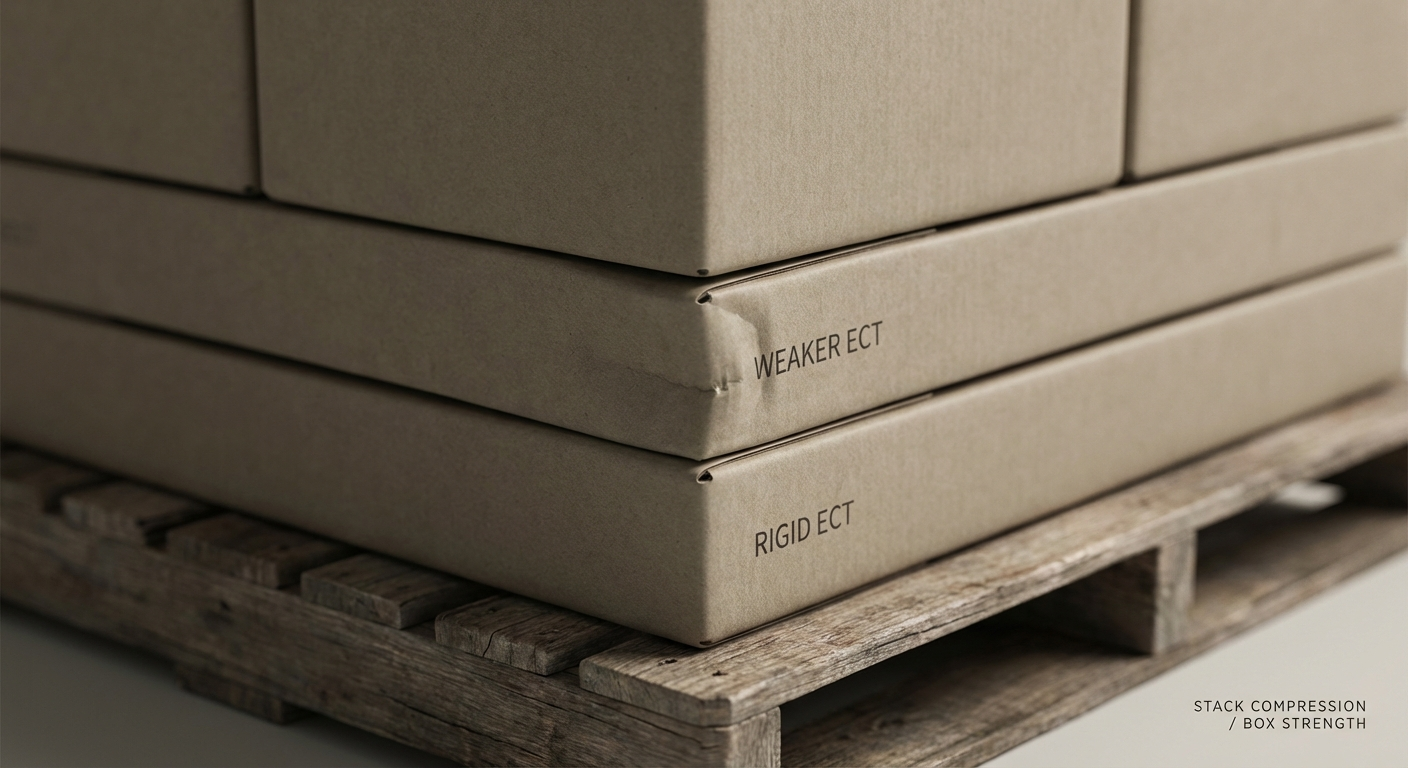
Incorrect Box Size or Strength: Using a box with insufficient Edge Crush Test (ECT) rating or incorrect dimensions invites crushing or excessive internal product movement. For example, a lightweight mailer (32 ECT) holding heavy items (over 25 lbs) or an oversized carton with excessive void space increases damage risk.
Insufficient Cushioning: Minimal or poorly-distributed cushioning, such as only one sheet of paper around fragile glass or air pillows “bridging” the product, leave corners and edges vulnerable to impact.
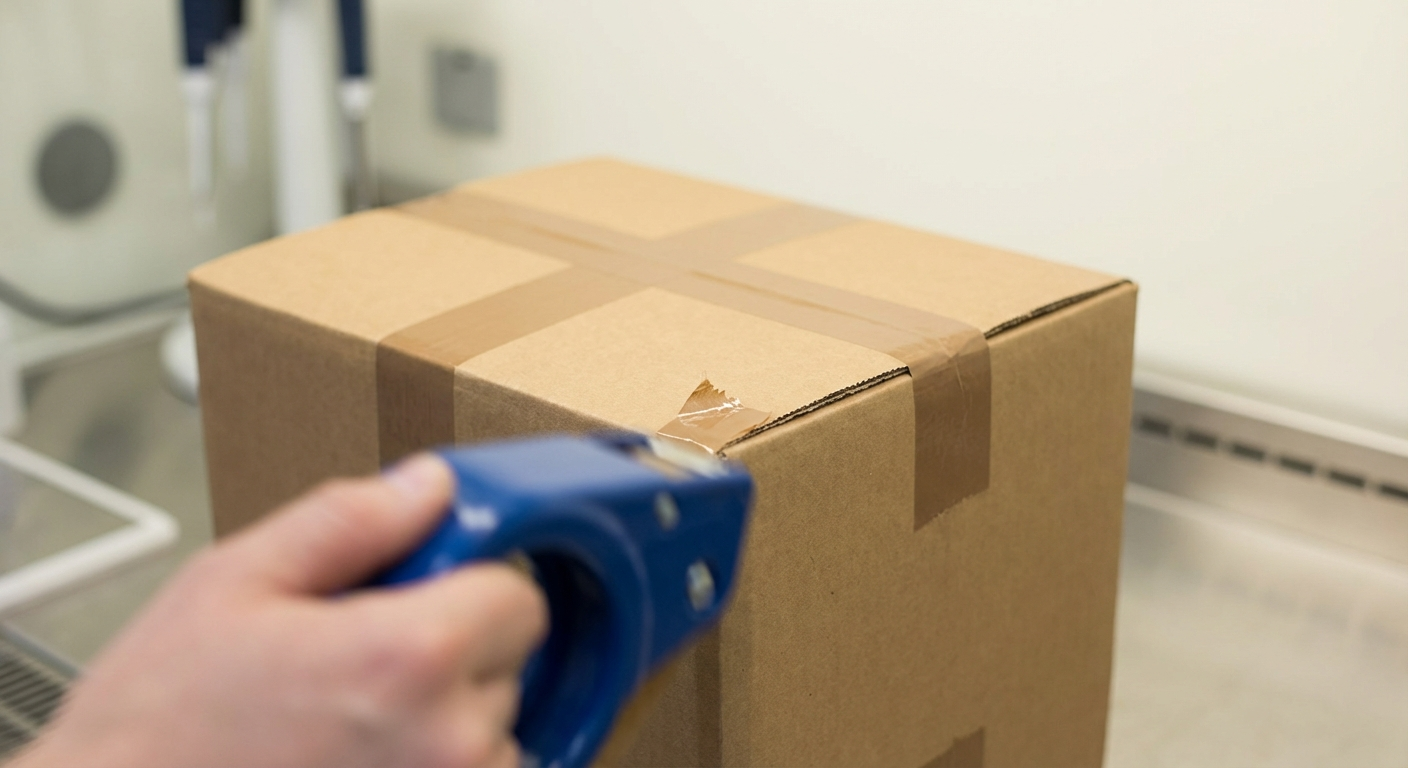
Weak Sealing: Applying a single tape strip on heavy or bulky boxes, using low-quality tape on recycled cardboard, or failing to do an H-seal allows boxes to burst open during transit.
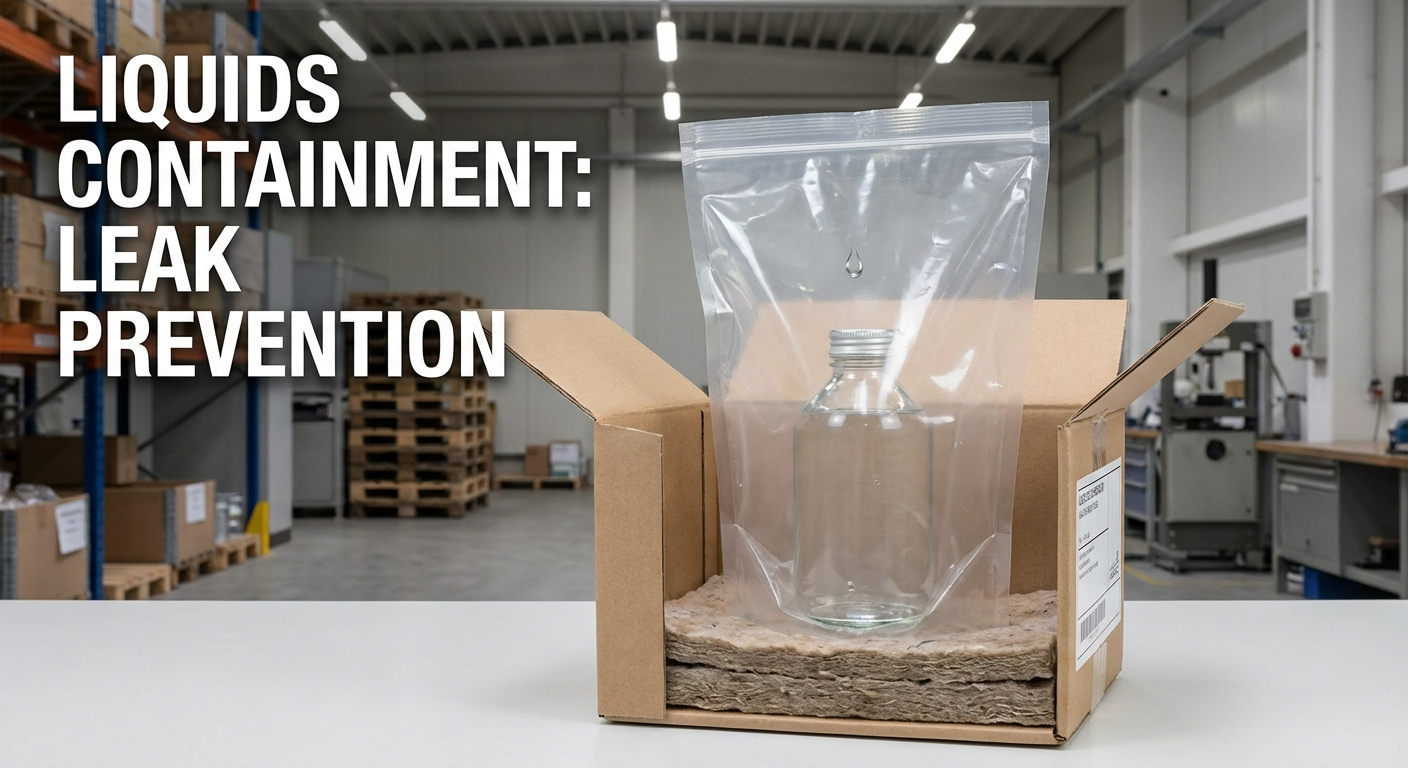
Ignoring Product Fragility or Orientation: Fragile items are damaged when liquids are not bagged, sealed caps leak, or glassware is packed directly against hard edges. Ignoring “This side up” instructions leads to orientation-related breakage.
Skipping Testing: Failing to conduct drop, vibration, or ISTA 3A-style tests before releasing new packouts misses critical damage points.
When Packaging Mistakes Spike
High-volume peak seasons: Holiday promotions or subscription spikes rush packers and reduce attention to detail.
Rushed packing without SOPs: Without defined standard operating procedures, teams create inconsistent packaging quality.
New SKU launches: Without standardized pack instructions or tests, new products often ship with unproven packaging.
Why They Matter
Packaging mistakes increase damage rates, causing expensive product replacements, customer dissatisfaction, and delayed fulfillment as teams scramble to fix breakage problems. Damage rates directly increase COGS and harm brand perception, especially for premium DTC brands where unboxing experience matters.
Step-by-Step Packaging Workflow to Prevent Damage
At All Points, preventing damage starts with a disciplined, operator-driven packaging workflow. Our approach emphasizes SKU-specific packaging solutions, thorough training, and consistent quality checks.
1) SKU Assessment and Carton Selection
Map SKU Attributes: Weight, fragility, leakage risks, and compressive load requirements are catalogued. Strong edges or closures are noted for special handling.
Select Appropriate Carton Grade: Light items (<10 lbs) ship in 32 ECT single-wall boxes with correct void fill. Medium-weight items (10–30 lbs) or longer transit require 44 ECT or heavy-duty single-wall boards. Heavy or fragile items (>30 lbs) or B2B/LTL shipments use 48 ECT+ or double-wall cartons, sometimes with edge protectors for stacking.
Right-size Box: Minimize void space to less than 2" after cushioning to avoid internal product movement and unnecessary dimensional weight. Oversized boxes increase damage risk and shipping cost.
2) Cushioning Standards by Product Type
Fragile Items (Glass, Ceramic, Electronics): Provide at least 2" cushioning clearance on all sides using foam inserts, molded pulp, or honeycomb partitions. Avoid air pillow bridging which leaves product corners exposed. Block and brace items inside the box to eliminate movement.
Liquids and Cosmetics: Seal caps through induction sealing or pressure bands. Each liquid package is bagged with absorbent material to contain leaks. Use box-in-box configurations for glass or multi-item liquid sets.
Sharp or Metal Parts: Always use edge guards wrapped in protective barriers to prevent metal-to-metal contact.
Multi-Unit Kits: Use trays or partitions to prevent items colliding in transit. Avoid loose mixed items that float inside large voids.
Temperature Sensitive and Environmental Considerations: Insulate packages and use gel packs to reduce condensation and minimize moisture damage to boxes.
3) Sealing Protocols
Use consistent H-sealing with multiple tape strips across the box top and bottom.
Select tape based on box material: water-activated tape (WAT) adheres better than pressure-sensitive tape (PST) on recycled or humid cardboard.
Avoid one-strip seals, especially on boxes above 10 lbs or those with fragile contents. Maintain precise tape dispenser settings and documented tape lengths by carton size.
4) Quality Checks Before Shipping
Conduct a shake test: if product moves inside, it’s at risk of breaking.
Perform informal drop tests from 18–24 inches in multiple orientations, emulating ISTA 3A standards.
Verify label placement avoiding seams and verify “This Side Up” arrows only where orientation is critical.
Photograph first-article packouts and save as baseline references in the warehouse management system (WMS) for operator guidance.
5) Operator Training and Batch Consistency
Train all packers using SKU-specific instructions and physical product samples. Eliminate guesswork or ad hoc methods.
Batch packouts for similar SKU orders to produce 50–500 units per run, lowering error rates and increasing packout consistency.
Conduct daily spot checks focusing on fragile items and during volume spikes to sustain quality.
Key Packaging-Related KPIs and SLAs
Viewing packaging as a core operational discipline means tracking targeted KPIs that guard quality and speed:
KPI: Pick accuracy | Target: 99.8%+ | Why it matters: Prevents incorrect or forced fits that cause damage
KPI: Damage rate | Target: <0.5% | Why it matters: Keeps returns and complaints minimal
KPI: Order cycle time | Target: <48 hours from pick | Why it matters: Reduces floor time and pressure on packers
KPI: Dock-to-stock time | Target: <24 hours | Why it matters: Ensures new SKUs and materials are ready for promos
KPI: On-time ship rate | Target: 98%+ | Why it matters: Supports customer satisfaction and retention
Consistent monitoring and sharing of these KPIs with teams ensures packaging quality is upheld as volumes scale.

Pricing Drivers of Packaging Quality
Better packaging comes at a cost, but investment reduces total damage-related expenses.
Box Grade and Size: Upgrading from 32 ECT to higher grades (44 or 48 ECT) adds pennies per box but prevents crushing. Right-sizing cuts dimensional weight fees and dunnage material costs.
Cushioning Materials: Paper is inexpensive and quick; foam or molded pulp inserts cost more but significantly reduce breakage and streamline packing fragile kits once standardized. Custom die-cut inserts require minimum order quantities but save labor long-term.
Sealing Materials and Methods: Water-activated tape systems increase upfront tape costs but halve open-box failures and improve sealing speed.
Labor and Quality Control: Extra touches such as bagging liquids, training operators on fragile items, and performing first-article inspections increase labor cost yet reduce reship costs dramatically.
SKU Complexity and Volume: Batching consistent packouts reduces labor per order; SKU sprawl increases packaging complexity and error risk, driving up operational cost.
ROI Example
Suppose you ship 50,000 parcels monthly with average order value $60. If damage rate reduces from 2.0% to 0.5%, that means 750 fewer damaged packages per month. At a $20 margin hit per damaged shipment, you save $15,000 monthly. If packaging upgrades cost $0.20 extra per order ($10,000 per month), net gain is about $5,000 monthly—plus better customer retention and fewer support tickets.
Risks and How to Mitigate Product Damage in Transit
Risk: Wrong box size or strength | Mitigation: Lock pack instructions in WMS; monthly audits vs. ECT & weight
Risk: Insufficient cushioning | Mitigation: Enforce minimum cushioning clearance; use trays/partitions
Risk: Poor sealing | Mitigation: Standardize H-seals; tape specs; staff training; WAT use
Risk: Liquids leaking | Mitigation: Seal caps; shrink bands; polybags with absorbent; box-in-box
Risk: SKU sprawl without standardization | Mitigation: Rationalize SKUs; consolidate packouts; update WMS visuals
Risk: Volume spikes pressure quality | Mitigation: Pre-build kits; add flex labor; batch packouts; increase spot checks
Risk: B2B/LTL transit crush | Mitigation: Use double-wall cartons, edge protectors, strapping, and pallets
Risk: No formal testing | Mitigation: Adopt ISTA 3A mindset with simple drop, shake, compression tests
Following systematic mitigation plans reduces damage risk dramatically.
The Atlanta Advantage for Packaging and Fulfillment
Transit time significantly affects packaging damage rates — more miles and handoffs mean additional shocks and impacts. The Atlanta location’s logistics advantages include:
Two-day shipping reach to approximately 80% of the U.S. via ground, reducing the number of touches and transit shocks packages encounter.
Centralized operations: Kitting, packaging, and distribution under one roof align packing instructions with actual fulfillment processes, minimizing miscommunication or reworks.
Fast issue resolution: Ability to rapidly adjust packouts, source materials, or retrain operators in response to damage trends or new SKUs.
Carrier density: Multiple daily pickups and optimized linehaul routes reduce dwell time and expose packages to fewer transfer points.
What You Get With All Points
End-to-end fulfillment with custom kitting and product assembly services aligned to packaging needs, ensuring low-damage packouts for bundles, subscriptions, and product launches.
Integrated warehousing and distribution solutions to maintain inventory accuracy, optimize pick paths, and reduce rough handling before packing, enhancing overall packaging quality.
Operator-grade SOPs including documented packouts for every SKU, enforced WMS pack rules, first-article quality checks, and continuous auditing.
Transparent KPIs tracking pick accuracy, damage rate, dock-to-stock time, and on-time shipments to provide clear performance insights.
A partnership mindset prioritizing quality and total cost over “cheapest packaging”—specifying materials and processes based on your product margin and risk profile.
Common Packaging Mistakes to Avoid (Quick Checklist)
Never put a heavy SKU into a 32 ECT box just because it’s available.
Avoid sealing heavy boxes with only a single strip of tape.
Don’t mix glass, metal parts, and liquids in the same void space without partitions and individual bagging.
Don’t rely on “Fragile” labels to replace proper cushioning and handling.
Always perform shake and drop tests before launching a new kit or packout.
How We Implement or Fix Packaging Fast
Week 1: Audit your top 20 SKUs responsible for most damage. Review photos from returns and customer complaints. Run simple pack tests. Issue interim pack instructions.
Weeks 2–3: Source correct cartons and inserts. Train packing teams. Batch initial production runs. Track damage daily and adjust as needed.
Week 4+: Lock finalized standards into WMS. Order volume-appropriate minimum order quantities (MOQs). Add visual aids to packing stations. Schedule quarterly standard reviews.
Call to Action
Primary: Get a kitting quote and see how we’ll protect your products in transit: https://www.allpointsatl.com/services/custom-kitting-product-assembly
Secondary: Download our comprehensive 3PL guide for e-commerce sellers with best practices on operations, SLAs, and onboarding: https://www.allpointsatl.com/resources/3pl-guide-for-e-commerce-and-amazon-sellers
FAQs
Q: What causes product damage during shipping?
A: The main causes are wrong box size/strength, poor or insufficient cushioning, weak sealing, and ignoring product fragility, especially liquids and glass. Most stem from unclear pack instructions and lack of testing.
Q: How does packaging size affect transit damage?
A: Oversized boxes introduce void space that allows products to shift, increasing impact forces on corners and edges. Right-sizing boxes with 1–2" protective cushioning reduces internal movement and dimensional weight charges.
Q: What packaging standards lower damage risk?
A: Map SKUs to appropriate carton grade (32, 44, or 48 ECT+), set minimum 2" cushioning for fragile items, enforce H-sealing on boxes, bag liquids with absorbent materials, and conduct basic drop and shake testing prior to launch.
Q: How quickly does All Points ship from Atlanta?
A: We operate clearly defined cutoffs with same-day capability. From Atlanta, ground deliveries reach roughly 80% of U.S. destinations within two days, reducing in-transit handling and damage risk.
Q: What are typical packaging costs in 3PL fulfillment?
A: Packaging materials range from $0.25 for simple mailers to multiple dollars per unit for custom foam inserts or molded pulp packs on fragile kits. Labor for specialized handling and quality control increases cost but lowers damage-related losses.
Image Alt Text Example
“common packaging mistakes causing product damage”
About All Points
All Points is a family-owned, Atlanta-based 3PL founded in 1995. We provide end-to-end logistics—from custom kitting and product assembly services to warehousing and distribution solutions, as well as printing—that empower your brand to ship accurately, on time, and at scale.
Disclaimer
This article is for informational purposes only and reflects All Points’ operational expertise and standards as of publication. Packaging solutions should be tailored to specific products and supply chain conditions. Results vary based on volume, SKU complexity, and carrier factors.
External References for Further Reading
Common packaging mistakes that damage products in transit | Packing Solution: https://packingsolution.co.uk/blogs/news/common-packaging-mistakes-that-damage-products-in-transit
Common packaging mistakes | The Box Depot: https://theboxdepot.net/blog/common-packaging-mistakes/
Six ways to prevent transit damage | Smart Warehousing: https://www.smartwarehousing.com/blog/six-ways-to-prevent-transit-damage
Transit testing overview | SupplierOne HelpDocs: https://supplierone.helpdocs.io/article/wihbxbcqsa-transit-testing
ISTA Testing and Process Standards | ISTA: https://ista.org/process_standards.php
Conclusion
Avoid common packaging mistakes like wrong box size, poor cushioning, and weak seals to reduce product damage in transit. Learn proven workflows, testing, and quality checks from All Points to protect shipments, cut costs, and boost customer satisfaction—essential insights for DTC brands and e-commerce operators.
.webp)
.webp)
.webp)
.webp)
.webp)


