


Promotion Fulfillment Planning: How to Align Marketing and Logistics for Seamless Execution
Meta title: Promotion fulfillment planning: Align marketing and logistics
Meta description: Learn how promotion fulfillment planning helps DTC brands optimize inventory, labor, and shipping for on-time delivery and avoid costly stockouts or delays.
URL slug: /blog/promotion-fulfillment-planning
Image alt: Promotion fulfillment planning workflow
Lead
Promotion fulfillment planning is critical for spikes from drops, flash sales, or bundles. This guide explains how marketing and operations teams can align forecasting, inventory allocation, labor, batching, kitting, and carrier cutoffs to meet SLAs and protect margin. Effective promotion fulfillment planning integrates operational capacity and marketing cadence for flawless delivery.

What Is Promotion Fulfillment Planning and When to Use It
Promotion fulfillment planning is the process of designing marketing campaigns around operational reality—considering inventory, labor, packaging, warehouse management system (WMS) setup, carrier capacity, and transit time—to ensure timely and accurate shipping. It is the vital bridge connecting marketing ambitions with logistical execution to prevent costly errors.
This planning is essential whenever marketing causes a significant surge or complexity in order volume, such as:
- New product drops and collaborations
- Flash sales, BOGOs, or free gift-with-purchase promotions
- Seasonal campaigns (Q4, Mother’s Day, back-to-school)
- Subscription box launches or thematic changes
- Retail promo kits, influencer seeding, or PR mailers
Why It Matters
Promotion fulfillment planning is crucial to:
- Prevent stockouts and partial fulfillment by reserving units and raw materials ahead of demand
- Enable scalable labor management through batching, slotting, and prebuilds instead of last-minute overtime
- Ensure delivery promises are attainable with realistic carrier cutoffs and shipping windows
- Maintain strong customer satisfaction and protect brand reputation by avoiding shipping surprises
With proper promotion fulfillment planning, DTC brands and retail marketers avoid the pitfalls of operational chaos during crucial demand spikes.
What Breaks Without It
Without structured promotion fulfillment planning, common pitfalls include:
- Labor becomes overstretched and unable to maintain required pick rates during spikes
- Inventory discrepancies arise, including insufficient safety stock or kits missing components
- WMS configurations fail, causing bundles or tags to be misrouted or orders stuck in exception queues
- Shipping misses occur due to lack of booked carrier capacity, forcing emergency air shipments or missed delivery windows
- Inefficient workflows inflate operational costs and erode margins
Relying on ad hoc processes jeopardizes the success of promotions and can damage customer trust.

Step-by-Step Promotion Fulfillment Planning Workflow
An operational Standard Operating Procedure (SOP) for managing promotion fulfillment ensures consistency and scalability. Below is a detailed stepwise approach aligned with best practices.
1. Forecast Demand Early
- Obtain detailed marketing unit forecasts by SKU, variant, day, and channel covering the entire promotional window plus a post-promo tail period.
- Collect promo mechanics including discounts, bundles, gifts, order limits, expected average order value (AOV), and any backorder/preorder policies.
- Build three scenarios for volume realism: base, high, and stretch forecasts. When insufficient historical data exists, use proxy data from similar promotions adjusted by list size and ad spend.
- Collaborate constantly with marketing to update forecasts as campaigns evolve.
2. Inventory Allocation
- Reserve finished goods for promotional SKUs within the WMS to prevent cross-channel depletion and stockout risk.
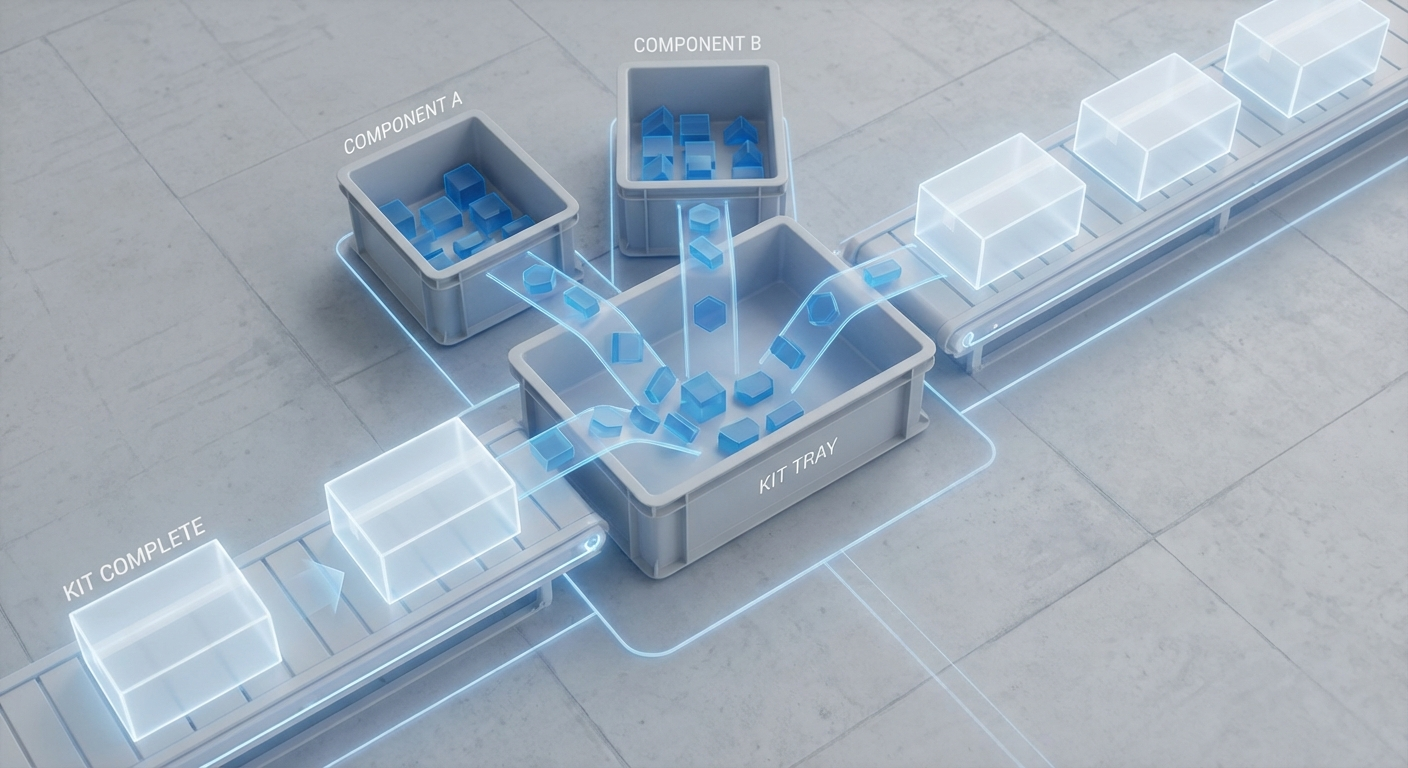
- For kitted promotions, reserve component SKUs and packaging materials (inserts, sleeves, labels) at the kit level, not just on parent SKUs.
- Confirm inbound schedules and lead times with suppliers and carriers, targeting dock-to-stock times of ≤4 hours for late-arriving promotional stock.
- Track inventory status as a leading indicator of promo fulfillment health.
3. Capacity Planning
- Calculate daily throughput needed: forecasted orders per day × average lines per order.
- Calculate available capacity: number of pickers × lines per hour × hours per day × utilization factor (typically 0.8).
- Compare demand against capacity early to determine if gap-closing actions are necessary.
- Options for addressing gaps include:
- Pre-booking temporary labor and cross-training
- Implementing batching, slotting, and pre-kitting process improvements
- Extending shipping windows or staggering promotions
- Finalize commitments weeks before launch to avoid last-minute compromises.
4. Integrate Data Systems
- Map bundles and kits in the WMS, deciding whether to “explode” bundles at pick time or use prebuilt kits.
- Configure insert logic (e.g., gifts over $75) so that promotional inserts generate pickable lines rather than just packing notes.
- Sync promotional tags from e-commerce platforms (e.g., Shopify order tags) for routing orders and handling exceptions seamlessly.
- Validate EDI/API connections for retail promos (940/945, 856, etc.), including any custom fields for kitting or lot and expiry tracking.
- Maintain live business intelligence dashboards combining marketing and fulfillment data. Related resource: https://us.fitgap.com/stack-guides/align-promotional-cadence-with-inventory-and-fulfillment-constraints
5. Batch and Pick Planning
- Slot high-velocity promo SKUs in the golden zone (waist-to-shoulder height), close to pack stations, to minimize picker travel time.
- Separate visually similar variants physically to reduce picking errors.
- Pre-label high-volume SKUs or pre-stage totes containing promo orders when justified by volume.
- Batch orders smartly: for single-SKU spikes, run pick waves by SKU with pick-to-tote; for mixed SKU orders, prefer smaller waves or zone picking to reduce congestion.
- Set batch sizes based on cube constraints and picker ergonomics rather than default WMS parameters.
- Continuously optimize picking sequences based on SKU velocity and order profiles. Capacity planning insights: https://cart.com/blog/order-fulfillment-capacity-planning
6. Quality Control and Kitting
- For bundles or kits requiring more than two touches, prebuild kits to finished goods level when space permits for higher speed and accuracy.
- Define “golden samples” for each kit configuration with staff training and shift sign-offs to maintain consistent quality.
- Schedule print runs of promotional cards or labels aligned with workflow waves; stage materials at pack lines to minimize downtime.
- Implement checks such as scan confirmations, weight checks, and 100% scan quality control on complex kits.
- Monitor error types (mispicks, short picks, wrong inserts) to identify root causes and prevent their repeat. Reference: https://www.fulfilmentcrowd.com/en-us/blog/what-a-good-fulfillment-strategy-looks-like-for-growing-brands
7. Shipping Cutoff and Carrier Coordination
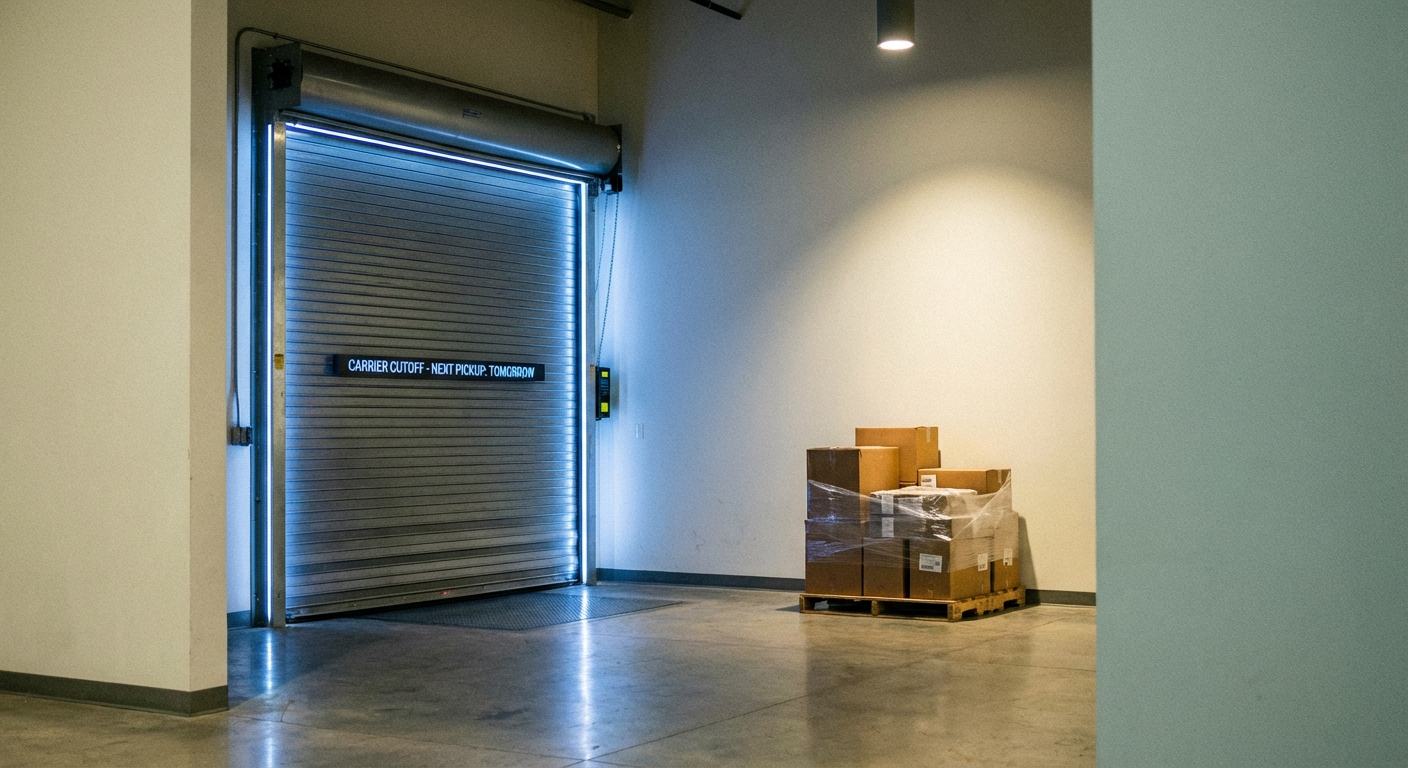
- Publish clear order cutoff times and promised ship-by windows on e-commerce sites and customer communications, avoiding overpromising.
- Pre-book carrier capacity aligned to peak volumes, and create contingency plans using secondary carriers or regional linehaul injections in high-congestion periods.
- Leverage Atlanta’s logistics advantage for two-day transit to ~80% of U.S. addresses, reducing reliance on costly air shipments.
- Coordinate closely with carriers, accounting for weekend operations if promotions overlap non-business days. Related: https://www.entouragefreightsolutions.com/strategic-capacity-planning-for-seasonal-peaks-in-retail-and-manufacturing
8. Post-Promotion Review
- Measure SLA adherence, order cycle time, on-time shipment rate, error rates, and cost per order against forecast targets.
- Identify process constraints in picking, packing, kitting, or shipping for continuous improvement.
- Update forecasting models with actual velocity and conversion data for better accuracy in upcoming promotions.
- Conduct debrief meetings with marketing and logistics stakeholders to align on lessons learned.
Daily cadence during the promotion includes morning standups reviewing backlog, throughput needs, labor plans, and carrier status; midday progress checks; and end-of-day cleanups with exception resolution and inventory reconciliations.
Key KPIs and SLAs for Promotion Fulfillment Planning
KPI: Pick Accuracy | Description: Percentage of orders picked without any errors | Typical target: ≥99.5%
KPI: Order Cycle Time | Description: Average time from order placement to shipment | Typical target: ≤24–48 hours
KPI: Dock-to-Stock Time | Description: Time to put away incoming promotional stock | Typical target: ≤4 hours
KPI: On-Time Shipment Rate | Description: Percentage of orders shipped by cutoff | Typical target: ≥98%
KPI: Inventory Accuracy | Description: Accuracy of SKU quantity and location data | Typical target: ≥99.8%
KPI: Throughput per Labor Hour | Description: Baseline plus 15–30% uplift during spikes | Typical target: Varies by operation
These KPIs ensure promotional commitments to customers are met, operational costs are controlled, and brand reputation is protected. Maintaining such standards during volume spikes requires coordination, discipline, and investment in technology and labor management.
All Points upholds these SLAs by creating dedicated promo pick waves, slotting and batching by SKU velocity, expanding hours with trained float staff, and leveraging Atlanta's location for efficient shipping. For guidance on a robust fulfillment strategy aligned with growing brand needs, see: https://ironlinx.com/fulfillment-decisions-real-options/
Promotion Fulfillment Pricing Drivers
Promotion fulfillment costs depend on factors beyond standard pick-and-pack workflows:
- Volume surges: Overtime, night shifts, or weekend labor increase rates. Prebuilds and optimized pick paths can offset costs per order during spikes.
- SKU and kit complexity: Each added touch adds handling time:
- Simple insert or sticker: +5–20 seconds
- Gift-with-purchase sourced from separate location: +20–45 seconds
- Assembly of 3–5 component kits in pack: +30–120 seconds
Prebuilt kits often reduce costs by speeding throughput.
- Packaging and printing: Custom mailers, sleeves, or variable print runs add setup and handling time. Consolidating versions controls expense. In-house printing with batching can lower unit cost.
- Storage and staging: Reserving dedicated pallet or rack space for promotional inventory and prebuilt kits adds short-term storage fees but typically improves throughput and reliability.
- Data integration: Customized EDI 940/945 messages or API connections incur one-time onboarding fees; reusing preexisting mappings may reduce these costs.
- Shipping and carrier mix: Tight delivery promises may require premium or expedited freight. Atlanta’s proximity to major carriers facilitates cost-effective ground freight, preserving margins.
Pricing solutions must be scoped to each client’s unique promotional workflow and volume profile to ensure transparency and scalability.
Common Risks in Promotion Fulfillment and Mitigation Strategies
Risk: Demand forecast misses | Mitigation: Use historical promo data, increase safety stock, build scenario plans (https://us.fitgap.com/stack-guides/align-promotional-cadence-with-inventory-and-fulfillment-constraints). Stagger waves and limit order caps to manage flow.
Risk: Labor shortages during volume spikes | Mitigation: Pre-book temporary workforce, cross-train teams, front-load work via pre-kitting and staging (https://cart.com/blog/order-fulfillment-capacity-planning).
Risk: SKU sprawl complicating pick paths | Mitigation: Minimize promo variants, standardize packaging, separate similar SKUs in slotting areas. Employ batch-focused picking via waves or zones.
Risk: WMS not configured for bundles/GWPs | Mitigation: Test end-to-end bundle and gift-with-purchase logic well before launch to avoid packing errors and lost orders. Avoid relying solely on packing notes for insert control.
Risk: Carrier delays during national peaks | Mitigation: Early carrier booking, multi-carrier relationships, earlier cutoff communications, and leverage Atlanta’s centralized hub to reduce transit risk (https://www.entouragefreightsolutions.com/strategic-capacity-planning-for-seasonal-peaks-in-retail-and-manufacturing).
Risk: QC bottlenecks on complex kits | Mitigation: Use golden samples, apply scan-based QC with controlled audit sampling, and prebuild complex kits when feasible for faster and more reliable throughput.
Proactive mitigation prevents costly last-minute surprises and maintains customer satisfaction.
Atlanta Advantage for Promotion Fulfillment
Atlanta's strategic location in the U.S. logistics network is a significant advantage for promotion fulfillment:
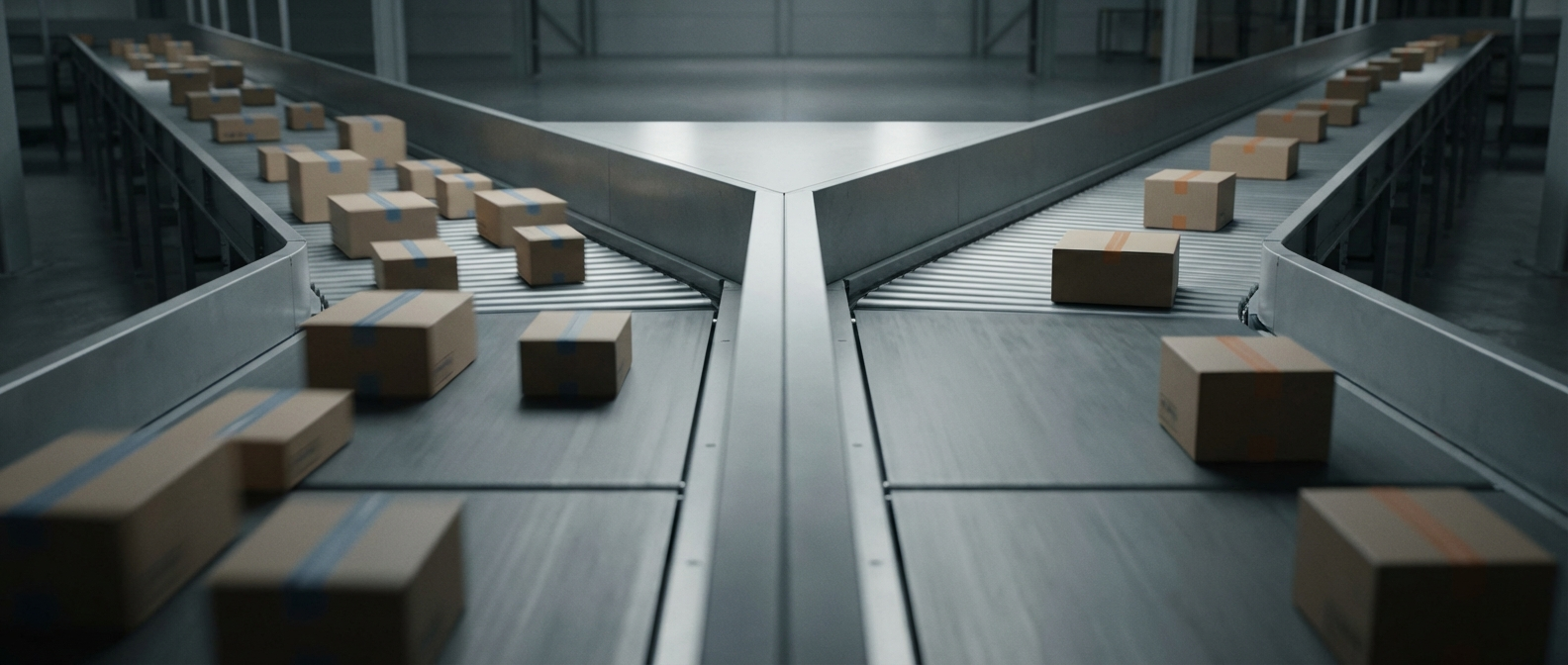
- Capable of two-day ground transit to approximately 80% of U.S. addresses, Atlanta enables later order cutoffs and high service levels with reduced air freight reliance.
- Access to multiple regional sort centers and carriers in a logistics-dense hub mitigates congestion risk during peak shipping windows.
- Cost-efficient outbound freight from this hub protects promotional margins and enables fast-moving marketing campaigns.
- Case in point: a subscription brand leveraged All Points’ Atlanta facility to prebuild new themed kits monthly, fulfilling 12,000 orders in 72 hours with a 99.7% on-time shipment rate relying primarily on ground services.
The Atlanta advantage facilitates scalable, cost-effective, and flexible promotion fulfillment planning for DTC and retail marketers.
What You Get with All Points for Promotion Fulfillment Planning
- Family-owned, Atlanta-based 3PL established in 1995 with deep experience in high-velocity DTC and B2B fulfillment.
- End-to-end coordination between custom kitting, printing, warehousing, and e-commerce fulfillment under one roof, ensuring aligned branding and flawless execution.
- Promotion-specific SOPs including slotting, batching, quality control, and data synchronization with daily operational cadence and KPI tracking.
- Atlanta advantage shipping providing quick, reliable ground transit reaching most of the continental U.S.
- Dedicated onboarding and planning collaboration to align promotion timelines with fulfillment capacity, avoiding surprises.
Explore related services:
- Custom kitting and assembly services: https://www.allpointsatl.com/services/custom-kitting-product-assembly
- E-commerce order fulfillment: https://www.allpointsatl.com/services/e-commerce-order-fulfillment
- Warehousing and distribution services: https://www.allpointsatl.com/services/warehousing-distribution
- Printing and marketing materials: https://www.allpointsatl.com/services/printing-marketing-materials
For a tailored promotion fulfillment quote and workflow assessment, visit: https://www.allpointsatl.com/services/custom-kitting-product-assembly
Operator Checklist: Run-of-Show for Your Next Promo
- Confirm marketing forecast (base/high/stretch) by SKU and day
- Reserve stock and components within WMS; target dock-to-stock time ≤4 hours
- Complete capacity calculations; determine labor plan and prebuild needs
- Map bundles and gift-with-purchase logic; test data flows end-to-end
- Slot high-velocity SKUs and design batches/waves accordingly
- Print and stage inserts/labels; finalize and train on golden samples
- Publish cutoffs and pre-book carrier capacity
- Conduct daily standups to track throughput, error rates, and backlog
- Perform post-mortem review within 72 hours and lock in improvements
FAQ
Q: What does promotion fulfillment planning include?
A: It encompasses forecasting by SKU and day, inventory reservation, labor and station planning, WMS and EDI setup for bundles and gifts-with-purchase, slotting and batch design, kitting and quality control workflows, carrier capacity booking, published cutoffs, and thorough post-promotion review.
Q: How much does promotion fulfillment cost?
A: Costs vary based on order touches, kitting complexity, packaging needs, storage requirements for prebuilds, and shipping promises. Each additional touch adds handling time and cost. Prebuilt kits often reduce per-order cost during volume spikes. Pricing is tailored to your specific workflow and order profile.
Q: What SLAs should be expected during promotions?
A: Typical targets include pick accuracy ≥99.5%, dock-to-stock time ≤4 hours on promo inbound inventory, on-time shipment ≥98%, and order cycle time within promised windows (usually 24–48 hours). SLAs are aligned with capacity assessments made before campaigns launch.
Q: How fast is shipping from Atlanta?
A: Ground shipping from the Atlanta hub reaches approximately 80% of U.S. addresses within two days, substantially reducing dependence on air freight and controlling shipping costs.
Q: Can last-minute creative changes be accommodated?
A: Yes, but these require revalidation of kit bills of materials, print schedules, and updated quality control protocols. Changes are manageable when version control is practiced per wave, and mixing assets mid-run is avoided.
Additional resources:
- Align Promotional Cadence with Inventory and Fulfillment Constraints: https://us.fitgap.com/stack-guides/align-promotional-cadence-with-inventory-and-fulfillment-constraints
- Order Fulfillment Capacity Planning: https://cart.com/blog/order-fulfillment-capacity-planning
- What a Good Fulfillment Strategy Looks Like for Growing Brands: https://www.fulfilmentcrowd.com/en-us/blog/what-a-good-fulfillment-strategy-looks-like-for-growing-brands
- Strategic Capacity Planning for Seasonal Peaks in Retail and Manufacturing: https://www.entouragefreightsolutions.com/strategic-capacity-planning-for-seasonal-peaks-in-retail-and-manufacturing
- Fulfillment Decisions: Real Options for Growing DTC Brands: https://ironlinx.com/fulfillment-decisions-real-options/
Boilerplate
All Points is an Atlanta-based, family-owned 3PL founded in 1995. We deliver end-to-end logistics—from custom kitting and ecommerce fulfillment to warehousing, distribution, and printing—ensuring brands ship accurately, on time, and at scale.
Sidebar Contacts
- Based in Atlanta since 1995
- Phone: (xxx) xxx-xxxx
- Email: info@allpoints.com
Call to Action
For a customized solution to your promotion fulfillment planning needs, request a quote at: https://www.allpointsatl.com/services/custom-kitting-product-assembly
Download the 3PL fulfillment guide for e-commerce sellers: https://www.allpointsatl.com/resources/3pl-guide-for-e-commerce-and-amazon-sellers
This article is for informational purposes only and does not constitute professional advice. It is recommended to consult with experienced fulfillment and logistics professionals to tailor promotion fulfillment planning strategies to unique business needs.
Conclusion
Effective promotion fulfillment planning aligns marketing forecasts with logistics—covering inventory, labor, batching, and carrier coordination—to ensure timely deliveries and avoid costly delays. This guide helps DTC brands optimize operations during spikes like flash sales or product drops for seamless, scalable promotions.

.webp)
.webp)
.webp)
.webp)


