


Inventory liquidation is a necessary step when excess stock clogs your warehouse, tying up capital and space. This article explains how DTC brands and retail operations teams can move surplus inventory efficiently—without interrupting regular fulfillment. You’ll learn when to use liquidation, workflows, pricing factors, service level agreements (SLAs), risks, and how outsourcing to a 3PL like All Points simplifies the process.
What Is Inventory Liquidation and When Should You Use It?
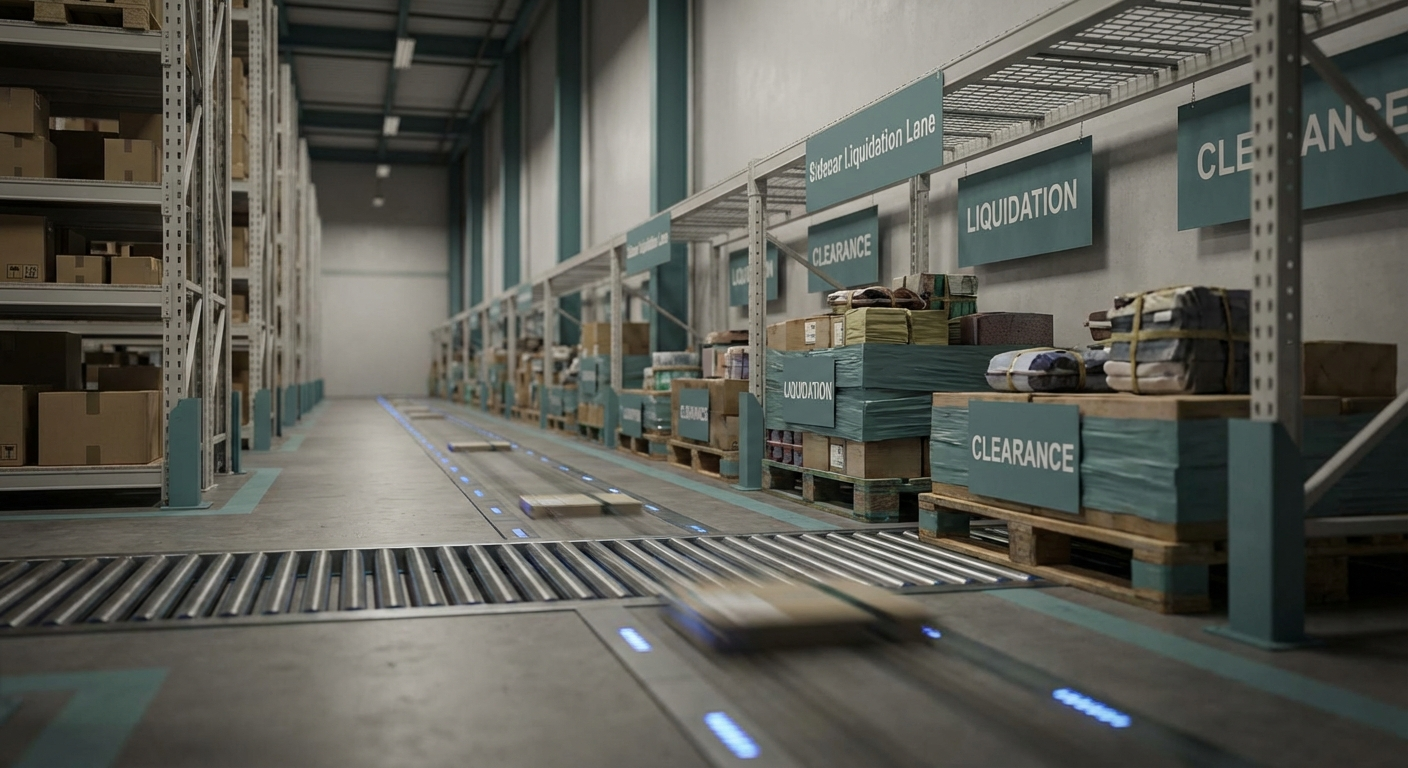
Inventory liquidation is the deliberate sell-down of excess, slow-moving, or end-of-life stock at discounted prices through various channels such as promotional bundles, flash sales, marketplace listings, wholesale partners, or by selling to liquidators. The goal is to clear inventory without negatively impacting your core business operations.
When To Use Inventory Liquidation
Liquidation should be considered after a thorough inventory analysis reveals significant overstocks, end-of-life SKUs, or seasonal surpluses that inhibit cash flow and storage efficiency. Common triggers include:
- Holding 90–180 days of excess inventory beyond forecasted demand.
- Dead SKUs or obsolete packaging that no longer matches current branding or regulatory requirements.
- Approaching expiration dates or compliance changes (e.g., new labeling laws).
- Opportunity costs and carrying expenses surpass anticipated margin recovery.
Benefits of Inventory Liquidation
- Frees up warehouse space for fast-moving items and new product launches.
- Recovers capital tied up in stagnant stock, avoiding sunk cost traps.
- Streamlines your product catalog and simplifies picker workflows.
- Supports better product lifecycle management and demand forecasting.
Risks to Watch
- Margin erosion due to unmanaged or excessive discounting.
- Brand dilution through uncontrolled off-price or discount channels.
- Fulfillment slowdowns if liquidation competes for labor, storage, or pick paths with regular orders.
- Data inaccuracies causing overselling or stockouts.
In summary, liquidation is a focused, strategic project. It requires separating stock, labor, systems, and operational cadence from your standard DTC or B2B fulfillment flow to avoid disruptions.
Step-by-Step Inventory Liquidation Workflow
Establishing a smooth inventory liquidation process minimizes risks and maximizes capital recovery. Below is a comprehensive workflow to follow:
1. Run the Audit and Identify Liquidation SKUs
- Generate an aged inventory report by SKU or lot to flag items with 120+ days on hand, negative velocity, or outdated packaging.
- Set minimum acceptable recovery prices, approved sales channels, and packing rules (e.g., sell only by cases).
- Prioritize lots nearing expiry for accelerated sell-down.
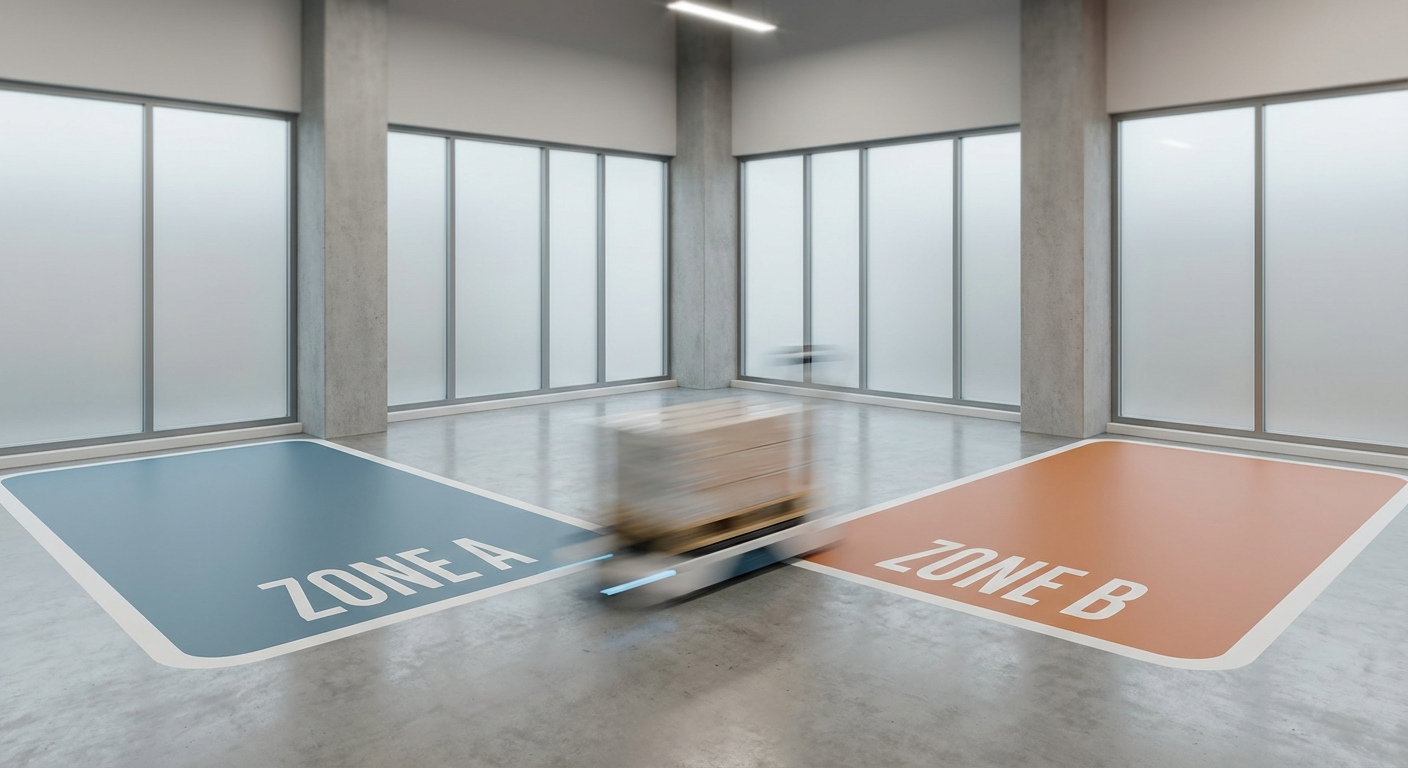
2. Segregate Inventory in Your WMS and Physically
- Assign a separate status (e.g., “LQ-Available”) and dedicated virtual location within your warehouse management system (WMS) to prevent backorders.
- Physically relocate liquidation stock to dedicated racks or staging areas marked by color-coded pallets or tags.
- Lock liquidation SKUs out of normal pick paths and waves. If your WMS cannot support this segregation, it’s a sign to upgrade before launching liquidation.
3. Choose Your Liquidation Paths
- DTC bundles or flash sales: Create bundles (3-packs, variety packs, or cases) that increase units per order and simplify picking.
- Marketplaces: Standardize packaging and labeling to reduce returns and customer service tickets.
- Wholesale or off-price: Pre-pack by case or pallet; ensure EDI, UCC-128 label compliance, and routing guides are followed.
- Liquidators: Prioritize single-touch pallet outbound shipments priced by lot to quickly move inventory.
4. Build The Product and Content
- Create new, unique liquidation SKUs (e.g., “SKU-ABC-LQ-3PK”) to prevent cannibalization of core SKUs and better track sell-through velocity.
- Decide on carton type, void fill, inserts, and disclaimers (e.g., “final sale”, “short-dated”) and define relabeling or repack workflows.
- Prepare product detail pages and marketing copy in advance.
5. Plan the Pick and Pack Workflow
- Schedule daily or bi-weekly batch runs for liquidation orders outside peak DTC waves to avoid slowing core fulfillment.
- Use dedicated pickers and carts with separate induction stations.
- Prebuild common bundles in small batches at a kitting cell to boost throughput.
- For wholesale or liquidator shipments, palletize by purchase order (PO) with SSCC labels and advance shipment notice (ASN).
6. Coordinate Printing and Labeling
- If barcode swaps, UPC/FNSKU relabeling, or promotional sleeves are required, stage these at the kitting area.
- Apply necessary stickers (“final sale,” “not for resale,” or “short-dated”) per channel agreements.
- All Points offers in-house printing and marketing materials services: https://www.allpointsatl.com/services/printing-marketing-materials
7. Ship and Keep It Separate
- Implement unique shipping rules: primarily ground freight, no expedited unless customer-paid, and cartonization tailored to bundles.
- Use separate shipping manifests or carrier accounts to easily track costs.
8. Monitor and Adjust in Real-Time
- Track order velocity daily to optimize pricing and channel strategies within predefined guardrails.
- Conduct cycle counts every 48–72 hours on liquidation stock to prevent overselling or inaccuracies.
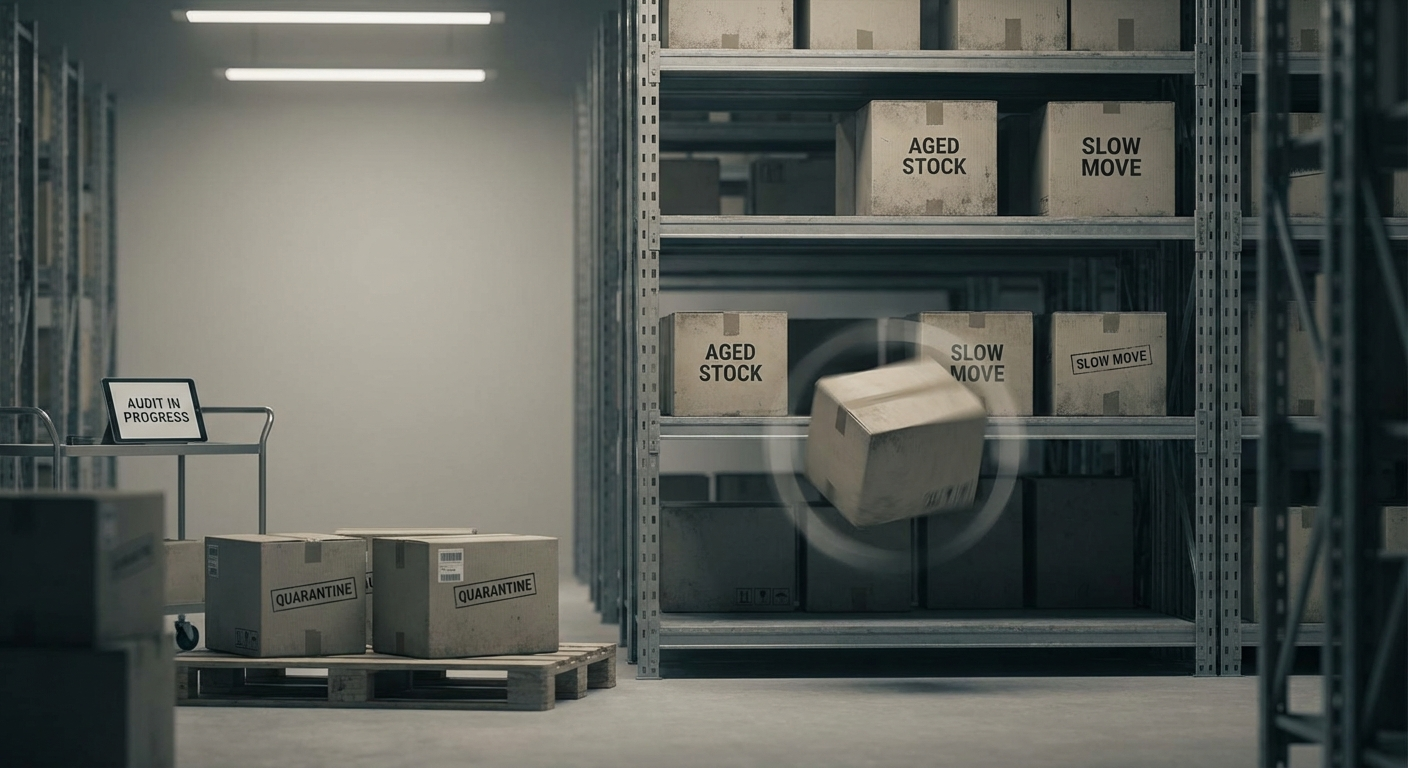
- Close the program cleanly by quarantining leftovers, donating, or scrapping according to your policies.
Following this workflow helps maintain continuity in your daily ecommerce fulfillment while efficiently liquidating excess inventory.

SLA & KPI Table for Inventory Liquidation Fulfillment
Maintaining service quality during liquidation is critical to safeguard your brand reputation and customer satisfaction. Here are the typical SLAs and KPIs to uphold:
KPI: Pick Accuracy | Target: ≥ 99.5% | Notes: Critical to maintain brand trust even for discounted orders.
KPI: Order Cycle Time | Target: ≤ 24 hours | Notes: Fast turnaround prevents warehouse congestion and order backlogs.
KPI: Dock-to-Stock Time | Target: N/A for liquidation | Notes: Focus on outbound speed rather than inbound receipt of liquidation stock.
KPI: On-Time Shipment Rate | Target: ≥ 98% | Notes: Ensures customer satisfaction despite discounted pricing.
KPI: ASN/Label Compliance (B2B) | Target: ≥ 99% | Notes: Prevents costly chargebacks related to routing or label errors.
KPI: Inventory Accuracy (Liquidation Location) | Target: ≥ 99.8% | Notes: Avoids overselling and supports reliable order fulfillment.
KPI: Labor Containment | Target: ≤ 10–15% of daily pick hours | Notes: Liquidation should not overwhelm your core labor capacity.
These KPIs ensure liquidation activities run smoothly alongside your core operations. Additional references: https://www.spherewms.com/blog/fulfilment-ecommerce-best-practices and https://www.launchfulfillment.com/11-best-practices-for-e-commerce-order-fulfillment-operations/

Pricing Drivers for Inventory Liquidation Logistics
Inventory liquidation costs vary based on several operational factors:
- SKU Complexity: The number and variety of items within bundles impact pick time and labor. Simple cartons or prebuilt 3-packs cost less than pick-to-order custom bundles.
- Order Volume and Frequency: High volume in concentrated waves allows batching and zone picking, lowering per-unit costs. Frequent small orders or exceptions increase labor costs.
- Packaging Customization: Costs rise if relabeling, de-kitting, re-kitting, or promo sleeves are needed. Prebuilding kits shifts labor upfront but decreases pick time later.
- Storage Duration: Dedicated staging or overflow space for liquidation adds storage fees. Short programs are less costly than extended drip-feed liquidation.
- Shipping Method Preferences: Parcel shipments are more flexible but cost more at scale; wholesale or liquidator pallet shipments reduce unit shipping costs but require compliance documentation and coordination.
- Timeline and Rush Demands: Tight deadlines, weekend work, or last-minute labeling increase labor premiums. Predictable, well-planned workflows over two to four weeks offer the best rates.
Economies of scale and predictable workflows reduce costs, but rush jobs and custom requirements create price premiums.
Risks and Mitigations When Liquidating Inventory
- Risk: Fulfillment Disruption. Mixing liquidation and regular orders can clog pick waves, causing errors and delays. Mitigation: Physically segregate liquidation inventory, dedicate separate labor, pick lines, and schedule liquidation waves after peak DTC cutoffs.
- Risk: Brand Dilution via Discount Channels. Off-price outlets can undercut core pricing and damage brand cachet. Mitigation: Use controlled bundling, limit approved liquidators, and avoid discounting below minimum advertised prices (MAP). Create unique liquidation SKUs to track separately.
- Risk: Data Inaccuracies. Overselling or mispicks can result from poor WMS updates or stock counts. Mitigation: Use unique SKUs for liquidation, prohibit backorders on these SKUs, enforce cycle counts every 48–72 hours, and maintain real-time WMS synchronization.
- Risk: Chargebacks from Wholesale/Liquidator Channels. Non-compliance with labels, routing guides, or shipping manifests leads to fees. Mitigation: Ensure EDI readiness, accurate UCC-128 labels, carton, and pallet compliance, and photo documentation. Follow routing guides strictly.
- Risk: Labor Spikes During Peak Liquidation Days. Increased volumes without scaling labor can strain operations. Mitigation: Set fixed liquidation windows, prebuild kits, use cross-trained flex teams, and have pause rules for surge management.
- Risk: Regulatory or Expiry Violations. Selling expired or improperly labeled inventory risks legal consequences. Mitigation: Track lot numbers and expiry dates in your WMS; prioritize First-Expired, First-Out (FEFO); and apply compliant disclaimers rigorously.
The Atlanta Advantage for Inventory Liquidation with All Points
Choosing the right 3PL partner can simplify liquidation while safeguarding your core fulfillment operations. Here’s how All Points’ Atlanta location and services give you a competitive edge:
Strategic Location with Nationwide Reach
Atlanta’s central U.S. location enables two-day ground delivery to approximately 80% of the U.S. population. This reach accelerates sell-through on discounted goods and reduces shipping costs, especially for heavy bundles or case packs.
Operational Workflows Designed for Separation
All Points designs liquidation as a “sidecar” to your core ecommerce waves, not a competing stream. Using segregated bins, unique status codes, separate pick lines, and dedicated labor, we keep liquidation stock isolated, protecting your standard service levels. Learn more: https://www.allpointsatl.com/services/e-commerce-order-fulfillment
Under One Roof: Kitting and Labeling Services
Our facility offers customized kitting and assembly for liquidation packaging needs, from bundles to relabeling and “final sale” stickers. We manage quality and compliance with precision: https://www.allpointsatl.com/services/custom-kitting-product-assembly
In-House Printing for Quick Turnarounds
Avoid delays by leveraging our on-site print capabilities for inserts, promo materials, barcode swaps, and pallet placards: https://www.allpointsatl.com/services/printing-marketing-materials
Experienced, Operator-Led Execution
Family-owned since 1995, All Points focuses on hands-on, reliable execution. We plan your entire liquidation program—from SKU setup and guardrails to pick waves and exit strategies—eliminating operational bottlenecks.
What You Get with All Points
- Operator-grade fulfillment with ≥ 99.5% pick accuracy and rapid cycle times.
- Tailored liquidation kits and bundles through dedicated kitting and packaging.
- Transparent, driver-based pricing aligned with touches, rework, staging, and freight demands.
- Atlanta-based shipping efficiencies that reduce transit times and freight costs.
- A true partnership mindset dedicated to mitigating risks and scaling with your business.
Practical Checklist: Launch a Liquidation Program in 10 Business Days
Day 1–2: Conduct data audit and select liquidation SKUs; establish channel guardrails and recovery targets.
Day 3: Set up liquidation SKUs, create WMS statuses and location segregations, define pick paths.
Day 4–5: Approve liquidated product pricing, pack-outs, compliance requirements; update product detail pages.
Day 6–7: Prebuild initial kit wave; print labels and inserts; book wholesale or liquidator POs if applicable.
Day 8: Soft launch with a small batch to validate picks, labeling, and shipping workflows.
Day 9–10: Full launch with daily velocity tracking, cycle counts, and pricing or channel tweaks.
Program Exit: Quarantine leftover inventory, donate or scrap unsold stock, close SKUs, and free warehouse space.
Common Execution Mistakes We Fix
- Mixing liquidation picks with DTC waves, causing mispicks and delayed shipments. We maintain dedicated labor and sequestered pick paths.
- Reusing core SKUs for liquidation bundles, obscuring performance insights. We assign new SKUs for each liquidation offer.
- Launching without finalized labels or inserts, leading to rework. We leverage on-site printing to eliminate delays.
- Attempting complex pick-to-order variety packs, killing throughput. We encourage prebuilt kits or case packs for speed.
FAQ
1) What is the typical cost to liquidate excess inventory through a 3PL? Costs vary depending on touches and turnaround times. Basic case-outs with minimal repackaging approximate standard pick/pack rates. Custom relabeling, kitting, or packaging add per-unit or hourly charges. Separate fees apply for short-term staging and freight. Predictable, prebuilt kits minimize expenses.
2) How long does it take to implement an inventory liquidation program? With clean data and clear rules, a basic program launches in 7–10 business days, encompassing SKU setup, WMS segregation, packout designs, and prebuilds. More complex wholesale programs with EDI and palletization may require 2–3 weeks.
3) What SLAs can I expect when outsourcing liquidation fulfillment? Expect ≥ 99.5% pick accuracy, ≤ 24-hour cycle time, and ≥ 98% on-time shipment for DTC orders. Wholesale and liquidator programs target ≥ 99% label and ASN compliance with timely dock appointments. Liquidation shipments are carefully scheduled to avoid compromising core SLA windows.
4) Can All Points handle custom packaging or labeling for liquidation? Yes. All Points provides prebuilt bundles, UPC or FNSKU relabeling, and applies “final sale” or short-dated stickers. We also produce inserts, sleeves, and carton labels in-house. Details: https://www.allpointsatl.com/services/custom-kitting-product-assembly and https://www.allpointsatl.com/services/printing-marketing-materials
5) How does the Atlanta location impact shipping times and costs? Atlanta’s central U.S. location allows two-day ground delivery to approximately 80% of the population, speeding sell-through of discounted goods and trimming freight expenses on heavy bundles or pallets. It also offers superior east and central linehaul options for wholesale or liquidator shipments.
Ready to clear space without slowing your regular orders? Get a kitting quote to set up bundled liquidation SKUs and labeling: https://www.allpointsatl.com/services/custom-kitting-product-assembly
Based in Atlanta since 1995 | Phone: [XXX-XXX-XXXX] | Email: [contact@allpointslogistics.com]
All Points is an Atlanta-based, family-owned 3PL founded in 1995. We deliver end-to-end logistics—from custom kitting and ecommerce fulfillment to warehousing, distribution, and printing—so your brand ships accurately, on time, and at scale.
Disclaimer: This article is for informational purposes only and does not constitute legal, financial, or professional advice. All Points makes no warranties as to the completeness or accuracy of the information provided and is not responsible for any outcomes based on its use.
Additional References:
- ShipBob on Liquidating Inventory: https://www.shipbob.com/blog/liquidating-inventory/
- GoDaddy on Strategies to Sell Excess Inventory: https://www.godaddy.com/resources/skills/strategies-to-sell-excess-inventory
- Fishbowl Inventory on Inventory Liquidation: https://www.fishbowlinventory.com/blog/inventory-liquidation
- Sphere WMS on Ecommerce Fulfillment Best Practices: https://www.spherewms.com/blog/fulfilment-ecommerce-best-practices
- Launch Fulfillment on E-commerce Order Fulfillment Operations: https://www.launchfulfillment.com/11-best-practices-for-e-commerce-order-fulfillment-operations/
Conclusion
Learn how to efficiently liquidate excess inventory without disrupting your core fulfillment. This article covers when to liquidate, workflows, pricing factors, risk management, and how partnering with a 3PL like All Points streamlines the process—freeing space, recovering capital, and protecting your brand.
.webp)
.webp)
.webp)
.webp)
.webp)


