


Temperature-Sensitive Fulfillment: Costs, Workflows, SLAs, and the Atlanta Advantage
Handling temperature-sensitive products raises fulfillment complexity and costs. This guide breaks down what DTC brands and retail operations need to know about temperature-controlled shipping—from step-by-step workflows and pricing drivers to performance benchmarks and how All Points’ Atlanta-based network helps you ship faster and more reliably.
What Is Temperature-Sensitive Fulfillment and When to Use It
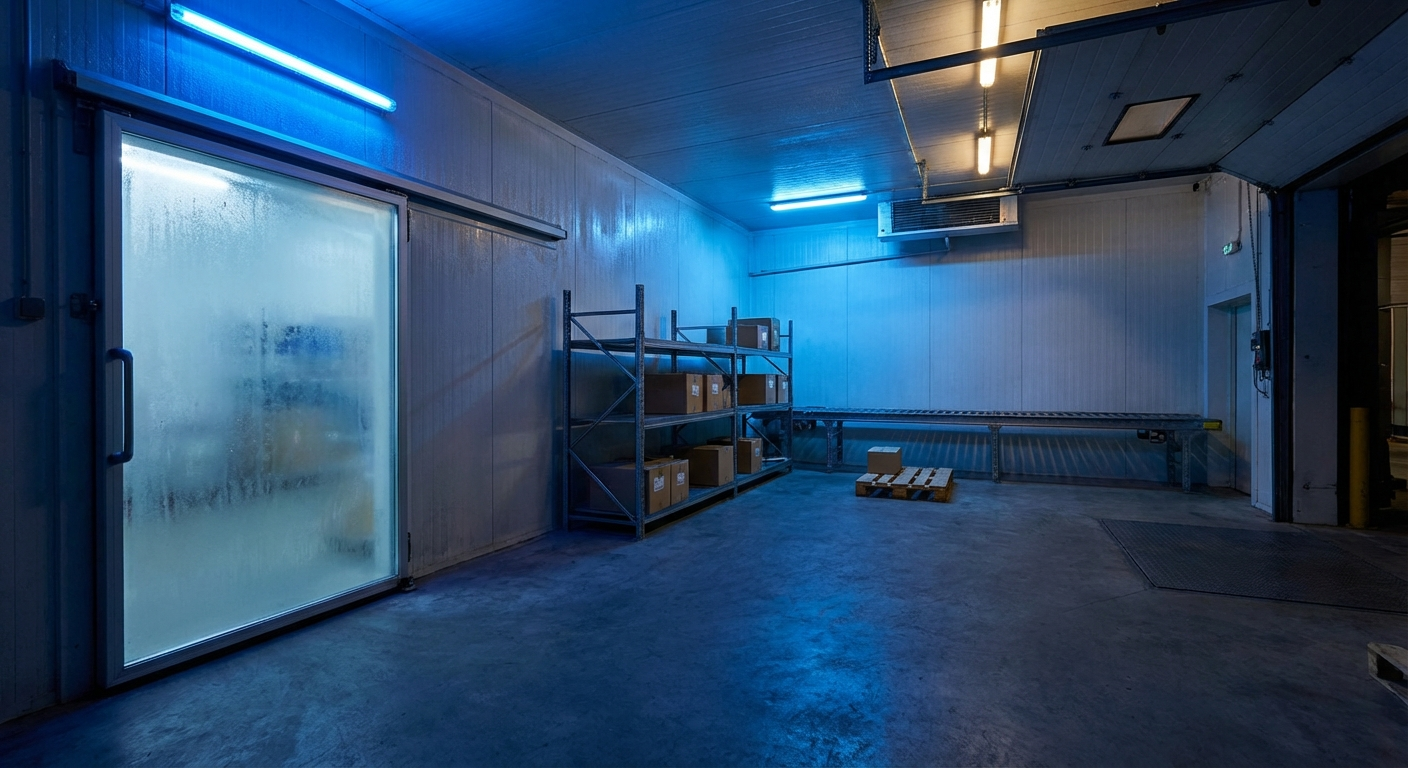
Temperature-sensitive fulfillment involves managing goods that require a controlled environment throughout the warehousing and shipping lifecycle. This type of fulfillment is essential for products whose quality and safety depend on staying within precise temperature ranges, typically refrigerated (2–8°C), frozen (< −10°C), or controlled ambient (15–25°C). Common temperature-sensitive categories include pharmaceuticals, perishables, nutraceuticals, cosmetics, and other temperature-vulnerable items.
Products such as serums, wax-based cosmetics, liquid vitamins, ready-to-drink nutrition, or temperature-labeled diagnostics all depend on an unbroken cold chain to maintain potency and compliance. For example, chocolates shipped in summer months without refrigeration risk melting and separation, while certain adhesives degrade if exposed to heat fluctuations.
Temperature-sensitive fulfillment is necessary when product specification sheets or labeling mandate storage within certain temperature bounds, when you’ve witnessed product spoilage or degradation due to temperature swings during transit, or to comply with retailer or regulatory requirements enforcing documented cold chain handling.
Ignoring proper handling protocols heightens risk exponentially: spoilage leads to wasted cost of goods, chargebacks, returns, replacement shipments, retailer penalties, and most critically, reputational damage. For tightly regulated items, non-compliance may invite fines or legal repercussions. If even 1–2% of your outbound volume arrives compromised, your margins are already under attack without a sound temperature-sensitive workflow in place.
Additional resources: Cold Supply Chain Logistics (https://modula.us/blog/cold-supply-chain-logistics/) and Cosmetics Fulfillment Handling Fragile and Temperature Sensitive Products (https://imdfulfilment.com/resources/cosmetics-fulfilment-handling-fragile-and-temperature-sensitive-products/).
Step-by-Step Temperature-Sensitive Fulfillment Workflow
Temperature-sensitive fulfillment requires rigor across every phase of the product journey to maintain quality, reduce risk, and document compliance. Below is a recommended step-by-step workflow designed to minimize temperature excursions and control costs:
1. Incoming Inspection and Dock-to-Stock
Receiving is your critical control point. Schedule dock appointments to reduce dwell time, limit exposure, and ensure readiness. Upon arrival:
- Verify trailer temperature via calibrated devices.
- Conduct spot checks on cartons using infrared thermometers or temperature probes.
- Audit packaging to confirm presence and condition of liners, gel packs, or dry ice.
- Check for condensation, thaw evidence, or packaging integrity failure.
- Log lot numbers, expiration dates, and temperature data immediately into the warehouse management system (WMS).
- Quarantine any items falling outside prescribed ranges, photographing and dispositioning per established SOP.
2. Inventory Segregation in Dedicated Storage Zones
Store products in purpose-built zones:
- Frozen products go in dedicated freezers; refrigerates in coolers; controlled ambient products in separate temperature rooms maintained at 15–25°C.
- Apply First-Expire-First-Out (FEFO) inventory rules strictly via WMS to maximize shelf life preservation.
- Slot SKUs by velocity to optimize pick routes and reduce time workers spend in cold zones.
- Maintain physical separation aisles to minimize door open cycles, thereby preserving internal temperature and reducing heat transfer.
3. Batch Picking Using Controlled Environment Pick Paths
Minimize exposure and improve efficiency with controlled picking:
- Batch orders by SKU and destination zone to reduce trips in/out of temperature zones and door cycles.
- Equip pick carts with insulated totes or containers when transitioning between ambient and cold environments.
- Clear cutoff times and pre-staged pick waves help tighten pick windows, maintaining product integrity.
4. Kitting or Custom Packaging with Temperature-Stable Materials
Kitting is a sensitive stage where the cold chain is vulnerable:
- Pre-condition gel packs over 24–48 hours at consistent, specified temperatures—improvising degrades performance.
- Deploy thermal packaging matched to season and journey duration:
-- Insulated mailers with gel packs for up to 48-hour transit
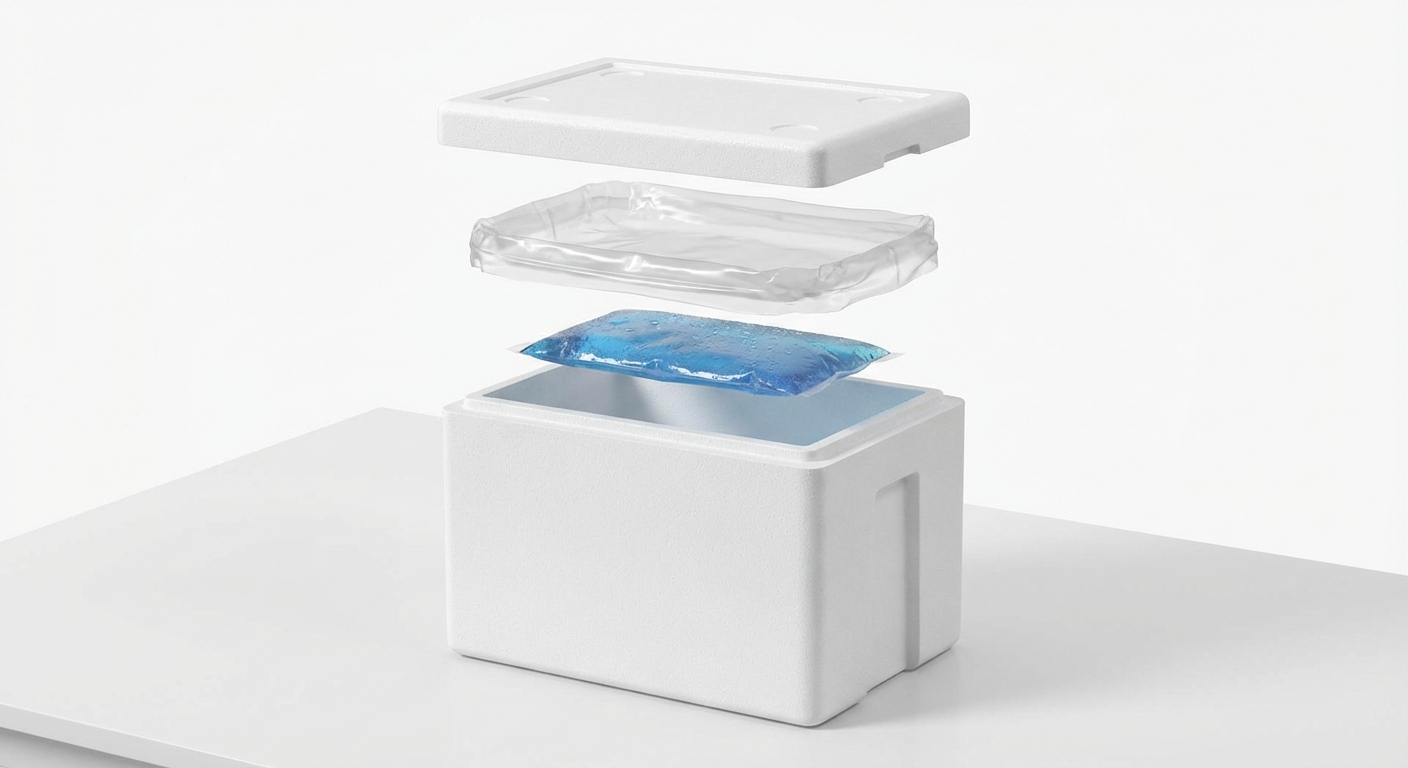
-- Expanded polystyrene (EPS) shippers with phase-change materials for 48–72 hours
-- Dry ice applied where long transit or sub-zero conditions are mandatory, adhering to carrier guidelines
- Handle printed inserts, bundles, or replacement components in controlled ambient zones with minimal touches to avoid thermal shocks.
- All Points custom kitting and product assembly services: https://www.allpointsatl.com/services/custom-kitting-product-assembly
5. Real-Time Monitoring during Packing and Shipping
Leverage technology for cold chain documentation:
- Ambient and cold zone sensors log environment data, triggering immediate alarms if thresholds breach.
- For high-value or regulated SKUs, embed data loggers or thermal indicators inside packages to continuously monitor conditions throughout transit.
- Integrate WMS controls that enforce pack-out recipes before printing shipping labels, ensuring the correct box, liner, coolant, and dunnage are included.
6. Carrier Handoff with Documented Temperature Records
Carrier handoff is a final critical moment:
- Seal packages promptly after packing to avoid warm air infiltration.
- Limit dock dwell times for packaged goods to reduce temperature risk.
- For dry ice shipments, apply accurate Class 9 hazard labeling, document net weights, and follow airline or ground carrier restrictions carefully.
- Record handoff time, trailer type, and condition to support audit trails and claims if deviations arise.
7. Return and Disposal Protocols for Compromised Items
Return management is key to preventing reintroduction of compromised stock:
- Quarantine temperature-sensitive returns pending inspection.
- Temperature-check them where feasible; dispose or donate in alignment with SOPs.
- File transportation or packaging claims with carriers as appropriate, supplying temperature logs or photographic evidence.
- Use excursion trending data by zone and season to continually optimize packing recipes or service levels.
Additional operational guidance: Cold Supply Chain: Reducing Costs and Enhancing Efficiency (https://anylogistix.com/resources/blog/cold-supply-chain-reducing-costs-and-enhancing-efficiency/).

Key SLAs and KPIs for Temperature-Sensitive Fulfillment
Holding your 3PL and fulfillment teams accountable means tracking rigorous Service Level Agreements (SLAs) and Key Performance Indicators (KPIs). For temperature-sensitive fulfillment, precision in execution translates directly into reduced spoilage and cost avoidance. Below are key metrics every temperature-controlled operation should monitor:
KPI: Pick Accuracy | Target Range: ≥ 99.5% | Explanation: Ensures correct temperature-sensitive SKUs shipped, avoiding costly spoilage.
KPI: Dock-to-Stock Time | Target Range: < 4 hours | Explanation: Limits temperature exposure during receipt and ensures rapid cold storage placement.
KPI: Order Cycle Time | Target Range: 24–48 hours (product and market dependent) | Explanation: Maintains cold chain integrity from order placement to shipment.
KPI: On-Time Ship | Target Range: ≥ 98% | Explanation: Delivers freshness and maintains retailer/regulatory compliance.
KPI: Temperature Monitoring Uptime | Target Range: ≥ 99.9% | Explanation: Ensures continuous recording of temperature data critical to cold chain verification.
KPI: Alarm Response Time | Target Range: ≤ 5 minutes to acknowledge; ≤ 15 minutes to initiate action | Explanation: Rapid intervention critical for cold room failures and avoiding product loss.
KPI: Excursion Rate | Target Range: ≤ 0.2% of orders with logged deviations | Explanation: Quantifies temperature breaches, informs corrective actions.
Consistent review of monitoring system uptime and swift alarm responses avoid downtime. Minimizing excursions below 0.2% is critical, as excursions drive costly refunds, repeat shipments, and brand erosion.

Pricing Drivers: What Impacts Temperature-Sensitive Fulfillment Costs
Temperature-sensitive fulfillment is inherently more expensive than ambient due to additional infrastructure, labor, energy, and material demands. Understanding main cost drivers helps brands anticipate margins and make smarter network choices:
- Infrastructure: Specialty refrigerated and frozen storage requires expensive insulated facilities, specialized racks, and high-capacity compressors. Per pallet or square foot, cold storage costs 2–4 times ambient warehousing expenses.
- Energy and Maintenance: Continuous operation of cooling equipment consumes substantial electricity. Regular preventive maintenance and defrost cycles add to fixed overheads. Backup power sources such as generators are mandatory to avoid catastrophic spoilage.
- Labor: Workers operate more slowly and carefully in cold rooms; additional gloves and safety measures add time. Batch picking and specialized SOP training increase labor cost by 20–50% per order compared to ambient fulfillment.
- Monitoring and Compliance: Investment in advanced temperature sensors, data loggers, and audit trail software is essential to meet retailer and regulatory demands, adding both fixed costs and variable per-shipment expenses.
- Packaging and Coolants: Thermal insulation liners, gel packs, phase-change materials, EPS (expanded polystyrene) shippers, and dry ice incur significant per-package cost increases. Typical add-ons include:
-- Light thermal mailers + gel packs (24–48 hour transit): +$2–$5 per order
-- EPS shippers and phase-change materials (48–72 hour transit): +$6–$12 per order
-- Dry ice shipments: additional material, handling, labeling fees, plus carrier surcharges and compliance costs.
- Freight Costs and Service Level: Temperature-sensitive shipments often command expedited transport to reduce risk. This includes air shipments or two-day ground from strategic fulfillment centers. Bulky thermal packaging also increases dimensional weight (DIM), raising freight spend.
- Volume and Batching Effects: While unit packaging and labor costs are higher, scaling daily volumes and smarter batch picking reduce per-order costs. Larger volumes allow pre-conditioning of gel packs, longer wave windows, and bulk purchasing discounts on thermal materials.
Additional reading: Cold Chain Logistics: Reducing Costs (https://dclcorp.com/blog/supply-chain/cold-chain-logistics).
Risks and Mitigations in Temperature-Sensitive Fulfillment
Temperature-sensitive fulfillment carries inherent risks, but with proper mitigation strategies, costly failures can be minimized:
- Risk: Temperature excursions causing spoilage or non-compliance | Mitigations: Continuous real-time temperature monitoring with alerts; SOPs for immediate corrective actions and documented alarm responses; seasonally tested thermal packaging recipes; carrier audits focusing on cold chain compliance.
- Risk: Equipment failure or power outage | Mitigations: Redundant refrigeration compressors and backup power systems; scheduled preventive maintenance and quarterly emergency drills; emergency plans for rapid product relocation.
- Risk: Labor errors or incorrect SKU picking | Mitigations: Barcode scanning at every workflow step; WMS-controlled pack-out recipes enforcing correct inserts, coolants, and packaging; visual aids and QA checkpoints minimize human error, especially in batch picking and kitting.
- Risk: Carrier delays and weekend “trap” | Mitigations: Implement earlier shipment cutoffs, especially on Fridays for longer transit zones; employ zone-based service level rules to avoid prolonged hold times; strategic fulfillment location choices like Atlanta reduce transit durations and risks.
- Risk: Regulatory non-compliance (dry ice and pharma labeling) | Mitigations: Accurate Class 9 hazard labels and documented material weights; regular staff training and logging to maintain compliance standards.
Mitigating these risks protects product integrity, avoids fines, controls shrink, and preserves brand trust essential for repeat retail and DTC success.

The Atlanta Advantage in Temperature-Sensitive Fulfillment
Choosing the right fulfillment location substantially affects cold chain cost and reliability. Atlanta offers unique advantages for temperature-sensitive fulfillment:
- ~2-Day Reach to 80% of U.S. Population: A strategically placed Atlanta node enables two-day ground shipping to most U.S. customers—lowering reliance on costly air freight, expediting delivery, and reducing thermal packaging requirements.
- Reduced Transit Time Lowers Excursion Risk: Shorter journeys reduce the risk of temperature fluctuations during shipping, especially important for gel-pack and dry-ice shipments vulnerable to time decay.
- Faster Recovery and Agile Replenishment Cycles: Localized warehousing allows quick re-ship or order modifications in case of carrier misses or weather disruptions, improving customer satisfaction and reducing expedited freight fallback.
- Integrated Printing, Kitting, and Fulfillment Operations: Housing temperature-controlled warehousing alongside printing and kitting under one roof cuts multiple touchpoints and handoffs that can compromise the cold chain. Consolidation also streamlines communication and quality controls.
- Family-Owned, Hands-On Management: All Points’ Atlanta facility has operated since 1995 as a family-owned business, maintaining operator-driven discipline and close-to-floor management. This allows real-time adjustments to SOPs, recipe changes due to seasonal demands, and rapid wave restructuring in response to weather or carrier issues.
Learn more: temperature-controlled warehousing and distribution services https://www.allpointsatl.com/services/warehousing-distribution
What You Get with All Points
Partnering with All Points for your temperature-sensitive fulfillment unlocks these key benefits:
- Operator-Grade SOPs: Designed specifically for temperature-controlled workflows, including dock-to-stock timelines under four hours, strict FEFO inventory management, batch controlled pick paths, and documented chain-of-custody for high-risk SKUs.
- End-to-End Kitting and Printing Services: Consolidated custom kitting and product assembly services reduce touchpoints and ensure thermal packaging compliance with inserts, bundles, or branding elements. https://www.allpointsatl.com/services/custom-kitting-product-assembly
- Atlanta-Based Fulfillment Network: Strategically positioned to deliver efficient, reliable cold chain fulfillment with access to two-day ground reach for most U.S. destinations.
- Dynamic Pack Recipes: Seasonal and zone-based thermal packaging recipes are continually tested and optimized to reduce waste, prevent excursions, and leverage economies of scale.
- Proactive SLA/KPI Monitoring: Focused on precision, with pick accuracy ≥ 99.5%, on-time shipments ≥ 98%, and rapid alarm response times featured within real-time monitoring systems.
- Partnership Approach: We scale with your growth, providing expert guidance and battle-tested operational teams to prevent risks and adapt workflows as your product line or markets evolve.
More services: custom kitting https://www.allpointsatl.com/services/custom-kitting-product-assembly; warehousing & distribution https://www.allpointsatl.com/services/warehousing-distribution; e-commerce order fulfillment https://www.allpointsatl.com/services/e-commerce-order-fulfillment; printing & marketing materials https://www.allpointsatl.com/services/printing-marketing-materials
Frequently Asked Questions (FAQ)
What is temperature-sensitive fulfillment?
Temperature-sensitive fulfillment consists of specialized workflows that preserve product integrity by maintaining strict temperature ranges throughout warehousing, picking, packing, monitoring, and shipping stages. It involves documented cold chain processes to ensure compliance and quality assurance from dock to customer door.
How much does temperature-controlled warehousing cost?
Costs typically run 2–4 times higher than ambient storage due to specialized infrastructure, energy, and labor. Per order expenses increase by $4–$12 depending on packaging methods, coolants required, seasonal demands, and shipping zones.
What SLAs should I expect for cold chain fulfillment?
Expect pick accuracy ≥ 99.5%, dock-to-stock times under 4 hours, on-time shipment rates above 98%, and order cycle times of 24–48 hours. Continuous temperature monitoring uptime must achieve ≥ 99.9%, with rapid alarm response protocols to mitigate excursions.
How does the Atlanta location benefit temperature-sensitive shipping?
Atlanta’s central location offers two-day ground transit to approximately 80% of the U.S., drastically reducing transit times, freight costs, and temperature excursion risk. It offers faster re-ship capacity and integrated cold chain service capabilities.
What risks come with temperature-sensitive fulfillment and how do you mitigate them?
Key risks include temperature excursions, equipment failure, labor mistakes, carrier delays, and compliance violations. Mitigations involve redundant refrigeration, real-time monitoring with alarms, WMS-enforced procedures, early shipment cutoffs by zone, and ongoing employee training.
Implementation Notes and Operator Tips
- Pre-condition gel packs fully for 24–48 hours to ensure proper performance; partial conditioning undermines thermal protection.
- Separate hot pack and cold pack days during summer by region to streamline workforce training and reduce errors.
- Enforce “no-ship” rules by SKU, zone, and weekday in your WMS to minimize manual shipping errors.
- Test packaging and thermal solutions quarterly or when adding new carriers or regions, especially before seasonal weather shifts.
- Track excursions, spoilage, and refunds as KPIs to quickly adjust packaging, recipes, or service levels.
Calls to Action
Primary CTA: Get a kitting quote: https://www.allpointsatl.com/services/custom-kitting-product-assembly
Secondary CTA: Download the 3PL guide for e-commerce sellers: https://www.allpointsatl.com/resources/3pl-guide-for-e-commerce-and-amazon-sellers
Disclaimer
This article is for informational purposes only and does not constitute professional advice. Costs and workflows described may vary based on product specifications, volume, region, and other operational factors.
Sidebar
Based in Atlanta since 1995 | Phone: XXX-XXX-XXXX | Email: contact@allpoints.com
Meta Information
URL: /blog/temperature-sensitive-fulfillment
Meta Title: Temperature-Sensitive Fulfillment: Costs, SLAs, and the Atlanta Advantage
Meta Description: See how temperature-sensitive fulfillment changes costs, workflows, and SLAs—and why Atlanta cuts risk and freight. Operator-level guide from All Points.
About All Points
All Points is an Atlanta-based, family-owned 3PL founded in 1995. We deliver end-to-end logistics—from custom kitting and ecommerce fulfillment to warehousing, distribution, and printing—so your brand ships accurately, on time, and at scale.
Additional Resources
Cold Chain Temperature Controlled Fulfillment: https://3plbridge.com/cold-chain-temperature-controlled-fulfillment
Cosmetics Fulfillment Handling Fragile and Temperature Sensitive Products: https://imdfulfilment.com/resources/cosmetics-fulfilment-handling-fragile-and-temperature-sensitive-products/
Cold Supply Chain Logistics: https://modula.us/blog/cold-supply-chain-logistics
Cold Chain Logistics: Reducing Costs and Enhancing Efficiency: https://anylogistix.com/resources/blog/cold-supply-chain-reducing-costs-and-enhancing-efficiency/
Cold Chain Logistics Blog: https://dclcorp.com/blog/supply-chain/cold-chain-logistics
Conclusion
Temperature-sensitive fulfillment demands precise workflows, monitoring, and specialized packaging to ensure product integrity and compliance. All Points’ Atlanta-based network offers faster, reliable cold chain shipping with robust SLAs, optimized costs, and expert risk mitigation—helping brands protect quality while cutting transit times and expenses.

.webp)
.webp)
.webp)
.webp)


